
YamunaRejuvenation – Delhi Riverfront Eviction Drive Triggers Anxiety Among Longtime Residents
YamunaRejuvenation – Residents living along the Yamuna riverbank in Delhi’s Yamuna Bazaar area are facing growing uncertainty after authorities issued eviction notices directing families to vacate the settlement within 15 days, raising fresh concerns over rehabilitation, livelihoods, and the future of river-dependent communities.
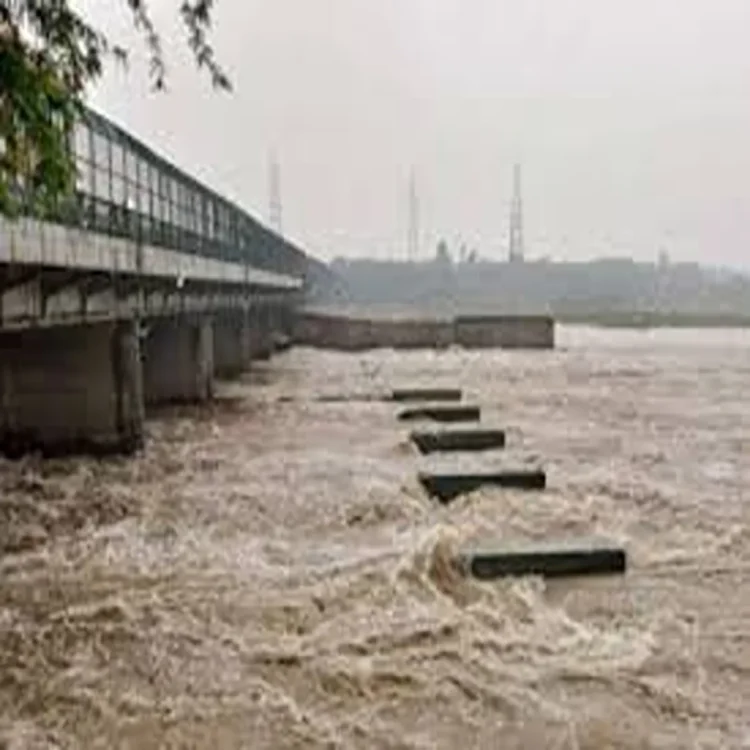
For many families in Yamuna Bazaar near Kashmere Gate, the notice arrived without warning. Residents said the communication from authorities instructed them to remove their belongings and leave the area within two weeks or face demolition action. Several families claim they have spent decades living along the river and now fear losing both their homes and livelihoods.
Authorities Cite Floodplain Protection Measures
The eviction notices were issued by the Delhi Disaster Management Authority for settlements located on the Yamuna floodplains, which fall under a protected no-construction zone regulated by the Delhi Development Authority. Officials maintain that the region remains vulnerable to seasonal flooding and poses a safety risk to people residing there.
According to estimates shared by authorities, around 310 structures exist in the identified stretch. The administration has linked the move to broader efforts aimed at restoring the Yamuna floodplains and reducing human activity in environmentally sensitive areas.
The proposed river restoration programme covers nearly 1,500 hectares along the Yamuna riverfront between Wazirabad and Okhla. Plans reportedly include biodiversity parks, wetland revival projects, green corridors, and redesigned public spaces intended to improve the ecological condition of the river.
Residents Fear Displacement Without Rehabilitation
Despite the official explanation, residents argue that the notices provide no clarity on rehabilitation or relocation. Many families say they do not know where they will move if demolition begins.
Several locals insist they have learned to live with the river’s seasonal flooding over generations. During monsoon months, families temporarily relocate, returning once water levels recede. Residents describe this cycle as part of life along the Yamuna rather than a reason for permanent displacement.
A number of families also reject the description of their homes as temporary encroachments. They say the settlement represents a long-standing community with social ties, employment networks, and shared history connected to the riverbank.
Debate Emerges Over Restoration and Development
Environmental experts and activists have questioned whether the ongoing projects truly represent ecological restoration or a larger urban redevelopment exercise. Critics argue that beautification efforts and commercial interests may eventually reshape the riverfront in ways that exclude existing communities.
Bhim Singh Rawat of the South Asia Network on Dams, Rivers and People said river restoration should not ignore people historically dependent on floodplain ecosystems. He argued that floodplains in India traditionally supported fishermen, priests, farmers, boatmen, and other river-linked occupations.
According to experts studying urban rivers, environmental conservation and human rehabilitation do not necessarily have to conflict. They say restoration plans can include relocation support, livelihood protection, and community participation rather than focusing only on removal drives.
Pollution Concerns Remain Central Issue
Many residents insist they support efforts to clean the Yamuna but believe pollution sources are being overlooked. Locals point to untreated sewage, overflowing drains, and industrial discharge as the primary causes of the river’s deteriorating condition.
Residents claim they regularly clean mud deposits after floods and spend money maintaining clogged drains in the area. Some questioned why authorities are prioritising eviction instead of addressing sewage treatment and waste management infrastructure.
Community representatives also stated that locals would cooperate with river-cleaning initiatives if their homes and livelihoods were protected. Several residents argued that people living near the river should be treated as stakeholders in conservation efforts rather than obstacles.
Legal Consultations and Uncertain Future
The notices have prompted legal discussions within the community, with residents exploring options to challenge the eviction process in court. Meanwhile, uncertainty continues to affect everyday life in the settlement.
As rumours circulate over possible demolition timelines, families remain divided between hope and fear. Children continue attending school while adults discuss legal updates and relocation possibilities. Many residents say the emotional impact of leaving the neighbourhood would be as difficult as the practical challenges of finding shelter elsewhere in Delhi.
Urban planners note that Delhi has witnessed repeated displacement of informal settlements during infrastructure and redevelopment projects. Experts warn that relocation often disrupts employment, education, and community support systems, especially when displaced families are moved far from central areas.
For now, the future of Yamuna Bazaar remains uncertain. While authorities push ahead with plans for riverfront restoration and ecological revival, residents continue asking whether environmental goals can be achieved without uprooting communities that have lived alongside the Yamuna for generations.