
CrimeNews – Delhi High Court Raises Questions Over Heroin Probe Failures
CrimeNews – The Delhi High Court has overturned the 10-year prison sentence of a man convicted in a heroin recovery case, observing that major procedural lapses during the investigation weakened the prosecution’s case beyond repair. The court noted that although the seizure involved a significant quantity of narcotics, serious irregularities committed by investigating officers ultimately allowed the accused to receive the benefit of doubt.
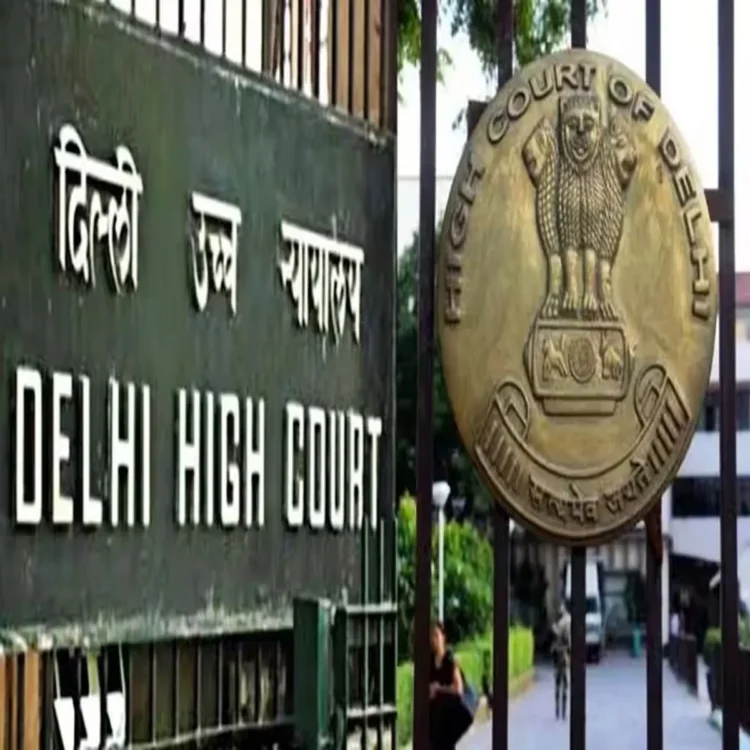
The ruling came while hearing an appeal filed against a trial court judgment that had convicted the man under the Narcotic Drugs and Psychotropic Substances (NDPS) Act. According to the prosecution, officials of the Directorate of Revenue Intelligence (DRI) had recovered nearly one kilogram of heroin from the accused on May 18, 2012.
Court Expresses Concern Over Investigation
Justice Chandrasekharan Sudha, while delivering the verdict, remarked that heroin poses a grave danger to society and that such a large quantity could severely impact communities and future generations. However, the court said the seriousness of the offence was overshadowed by what it described as a careless and casual investigation conducted by the authorities involved in the case.
The court observed that despite the strong suspicion against the accused, criminal law requires evidence that meets strict legal standards. It stressed that suspicion alone, regardless of its intensity, cannot replace legally admissible proof.
Procedural Violations Become Key Issue
In its detailed observations, the High Court pointed to several procedural deficiencies linked to the handling of seized samples and evidence. The court said there was no clear record showing where the seized samples remained for three days before being sent to the forensic science laboratory for examination.
The judgment further noted that important materials, including the samples, seizure documents, and seal-related records, were not deposited in the designated malkhana as required under procedure. Instead, the seal allegedly remained with the raiding team throughout the process, which the court described as a serious breach of established rules.
Justice Sudha stated that compliance with legal formalities becomes especially important in cases registered under the NDPS Act because the law prescribes strict punishments. The court added that even if the lapses were unintentional, the outcome of such negligence could have severe consequences for the criminal justice process.
Directions Issued to State Authorities
The High Court also directed the Chief Secretary to ensure that investigating officials adopt greater responsibility while handling sensitive criminal cases in the future. The court stressed that a negligent approach in narcotics investigations should not be repeated, particularly in matters involving dangerous substances and severe criminal charges.
The judge noted that the seized heroin was valued at more than Rs 3 lakh in 2012, making it a matter of considerable seriousness. Yet, according to the court, the prosecution failed to maintain the integrity of evidence in a manner required by law.
Legal experts often point out that courts dealing with narcotics cases closely examine whether investigators followed every mandatory safeguard because convictions under the NDPS Act largely depend on strict procedural compliance.
Separate Development in NEET Paper Leak Investigation
In another case heard in Delhi courts, an accused linked to the alleged NEET examination paper leak was remanded to 14 days of CBI custody. The accused, identified as Manisha Gurunath Mandhare, was presented before the court after her arrest in connection with the Biology question paper leak investigation.
According to the Central Bureau of Investigation, Mandhare worked as a senior Botany teacher from Pune and had been associated with the National Testing Agency. Investigators informed the court that custodial interrogation was necessary to uncover the wider conspiracy and identify additional individuals connected to the case.
The agency also told the court that the accused may need to be taken to multiple locations across the country as part of the ongoing investigation into the alleged examination leak network.