
FuelPrices – Delhi NCR Residents Face Fresh Rise in CNG and Fuel Rates
FuelPrices – Rising fuel expenses have once again added pressure on commuters in Delhi and nearby cities after compressed natural gas and conventional fuel prices witnessed another increase within a short span.
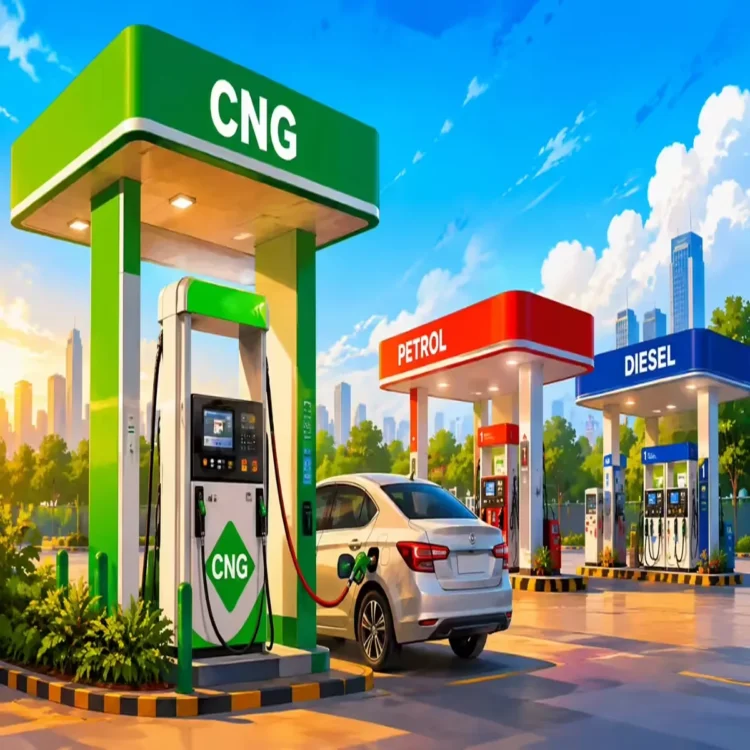
The latest revision in CNG prices came into effect on Sunday, with rates in Delhi going up by Rs 1 per kilogram. After the change, consumers in the capital are now paying Rs 80.09 per kg for CNG. In neighboring cities such as Noida and Ghaziabad, the revised price has reached Rs 88.70 per kg.
Second Increase Within Days
This marks the second hike in CNG prices in just two days. Earlier, on May 15, fuel retailers had already increased the rate by Rs 2 per kg. The back-to-back revisions are expected to directly impact people who rely on CNG-powered transport for daily travel, including auto-rickshaws, taxis, delivery vehicles and private cars operating across the National Capital Region.
Transport operators have expressed concern that repeated increases may raise operational expenses and eventually affect passenger fares. Many commuters in Delhi-NCR depend on CNG vehicles because they are generally considered more economical compared to petrol and diesel options. However, recent revisions have narrowed the cost advantage for users.
Petrol and Diesel Rates Also Revised
Alongside the increase in CNG prices, petrol and diesel rates in Delhi have also moved upward. Petrol prices in the national capital have risen by Rs 3 per litre and are now retailing at Rs 97.77 per litre. Earlier, the rate stood at Rs 94.77 per litre.
Diesel prices have also seen a similar increase. Consumers are now paying Rs 90.67 per litre in Delhi after a rise of Rs 3 per litre from the earlier price of Rs 87.67.
The combined rise in all major transport fuels is likely to affect household budgets, particularly for families dependent on private vehicles or public transport services that may pass on the additional burden to passengers.
Impact on Daily Commuters
The fuel price adjustment is expected to have a wider effect on transportation and logistics services in the region. Cab drivers, commercial vehicle owners and small transport businesses are among those most affected by the continued rise in operating costs.
Experts believe that higher fuel prices often influence the prices of goods and services because transportation plays a major role in supply chains. Increased logistics expenses can eventually impact retail markets, food delivery services and other sectors connected to daily movement of goods.
For office-goers and regular travellers in Delhi-NCR, the repeated hikes may lead to higher commuting expenses over the coming weeks. Auto-rickshaw and taxi unions in the region have also indicated that fare revisions could become necessary if fuel prices continue to climb.
Global Crude Oil Tensions Behind Increase
The recent rise in domestic fuel prices comes at a time when international crude oil markets remain under pressure due to geopolitical tensions in West Asia. Ongoing conflict involving the United States, Israel and Iran has created uncertainty in global energy supply chains since late February this year.
Concerns over disruptions in crude oil exports have pushed Brent crude prices above USD 100 per barrel in international markets. Rising global oil prices generally increase the cost of fuel imports for countries like India, which depends heavily on imported crude oil to meet domestic energy demand.
Market analysts say that unless geopolitical conditions improve and crude oil prices stabilise, pressure on retail fuel prices may continue in the near future. Consumers and transport operators are now closely watching future revisions as fuel costs remain a major concern across urban centres.