
Education – Drinking Water Shortage Troubles Students in Konaseema Schools
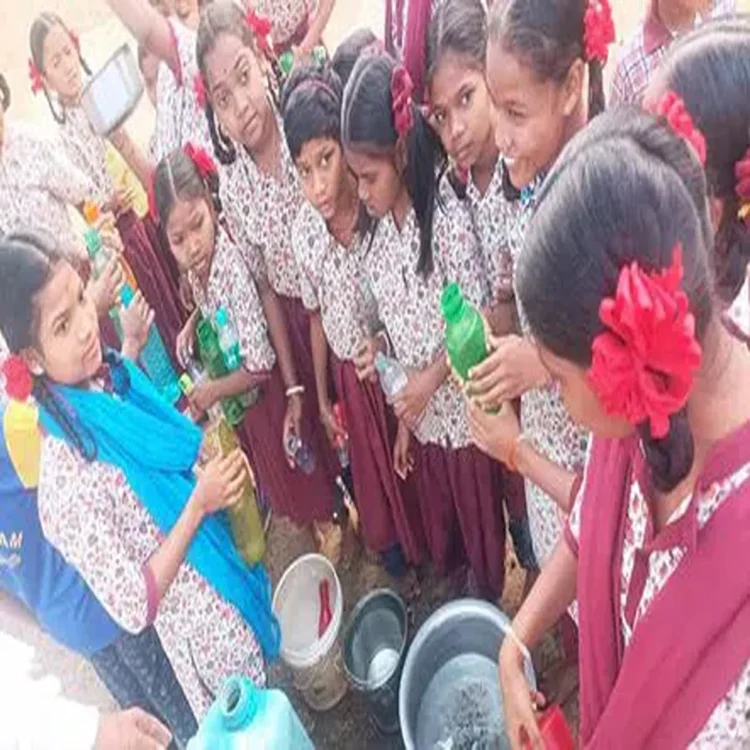
Education – Thousands of students in Andhra Pradesh’s Dr B.R. Ambedkar Konaseema district spent the previous academic year struggling to access clean drinking water in their schools and hostels, raising serious concerns about basic facilities in educational institutions.
Incomplete Implementation of Water Projects
A plan introduced in 2021 aimed to install Reverse Osmosis (RO) plants across schools to ensure safe drinking water for students. Five companies had agreed to undertake the project, which proposed the installation of 805 units. However, only 676 plants were actually set up, leaving 129 units pending even after several years.
Majority of Installed Units Not Functional
Of the 676 installed RO plants, only 374 are currently operational in government-run, municipal, Zilla Parishad High, and residential schools. A significant number—302 plants—remain non-functional. These figures were recently presented during a review meeting with senior officials from the state education department, highlighting the gap between planning and execution.
Large Student Population Affected
The district, comprising 21 mandals, has more than 805 schools managed by various authorities, including APSWRS, BCWRS, and local government bodies. These institutions serve over 50,000 students from Classes 6 to 10 and more than 20,000 children from primary grades. The scale of the issue has therefore impacted a substantial number of students on a daily basis.
Environmental Challenges Worsen Situation
The region’s groundwater has increasingly become unsuitable for drinking due to salinity caused by widespread aquaculture activities. This has made alternative sources like RO plants essential for ensuring safe water supply. For many students, these plants were expected to solve a long-standing problem.
Students Forced to Find Alternatives
Despite initial optimism, many of the installed systems stopped functioning within months. As a result, students were forced to carry boiled water from home, especially for midday meals. This added an extra burden on families and created inconvenience for children attending school regularly.
Repeated Appeals Went Unanswered
School headmasters, along with parents and students, made several requests to the companies responsible for maintaining the RO plants. However, there was little response or action taken to repair the faulty systems. The lack of accountability prolonged the issue throughout the academic year.
Academic Year Ends Without Resolution
The 2025–26 academic session concluded without any significant improvement in the situation. Students continued to face difficulties due to the absence of reliable drinking water facilities, affecting both their health and classroom experience.
Authorities Step In After Review
Following continuous complaints from school authorities, the state education department conducted a broader review of RO plant performance across districts. District Education Officer P. Nageswara Rao confirmed that the issue has been assessed and brought to the attention of higher officials.
Repair Orders Issued Before Reopening
Senior officials have now directed that all non-functional RO plants be repaired and made operational before schools reopen next month. The focus is to ensure uninterrupted access to safe drinking water for students and prevent a repeat of the hardships faced in the previous year.
The situation in Konaseema highlights the importance of proper maintenance and monitoring of essential infrastructure in schools, especially in regions facing environmental challenges.