
Elections – West Bengal Sees Sharp Rise in Third Gender Voter Turnout
Elections – West Bengal witnessed a notable surge in voter participation among third gender electors during the second phase of its Assembly elections, reflecting a growing engagement of marginalized communities in the democratic process.
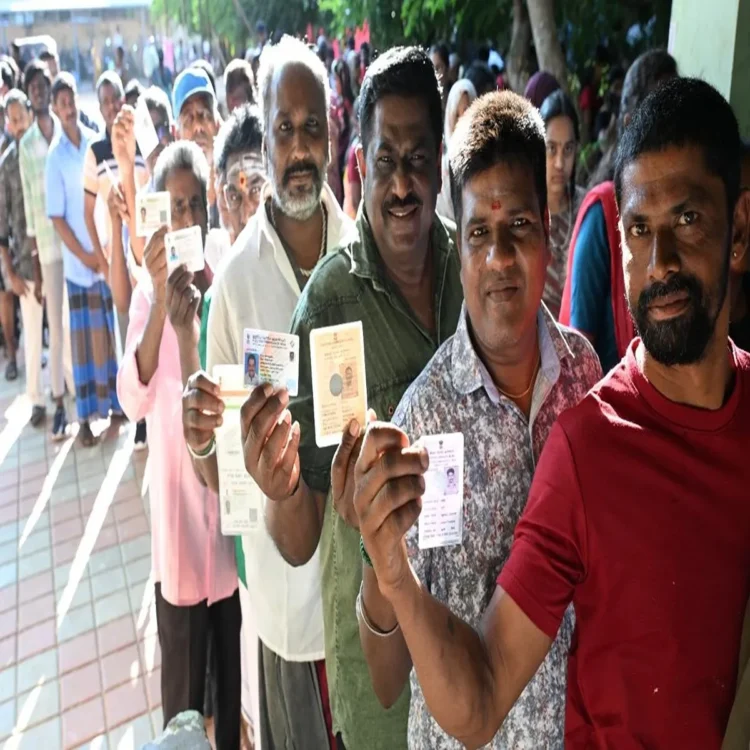
Significant Increase in Second Phase Participation
Data released by the Election Commission shows that 91.28 percent of registered third gender voters cast their ballots in the second phase of polling in West Bengal. This marks a sharp increase compared to the first phase, where turnout among the same group stood at 56.79 percent.
In total, 1,257 third gender electors participated across the two phases in the state. Of these, 465 individuals voted in the first phase, while a much higher number—792—took part in the second round. The figures indicate a strong upward trend in participation within a short span of time.
Comparison with Other States and Union Territories
Across other regions that recently held Assembly elections, Puducherry recorded the highest turnout among third gender voters. The Union Territory has 139 registered electors in this category, and an impressive 91.81 percent of them exercised their voting rights.
Tamil Nadu, which went to polls on April 23, reported a total of 7,728 third gender electors. Among them, 60.49 percent participated in the voting process. Meanwhile, Assam recorded a comparatively lower turnout of 36.84 percent out of its 343 registered voters in this category. Kerala, with 277 third gender electors, saw a participation rate of 57.04 percent.
Polling dates varied across states, with Kerala, Assam, and Puducherry conducting elections on April 9, while West Bengal held its voting in phases on April 23 and April 29. Vote counting for all these Assembly elections is scheduled to take place on May 4.
Growing Representation in Electoral Rolls
The Election Commission’s data also highlights a steady rise in the number of third gender voters being registered over the years. In the 2024 Lok Sabha elections, 48,194 individuals were enrolled under the third gender category. This marks a significant increase from 39,075 registered in 2019, representing a growth of over 23 percent.
Despite the rise in registration, turnout at the national level remains relatively low. Only around 27 percent of third gender electors voted in the 2024 parliamentary elections, suggesting that while enrolment has improved, further efforts may be needed to encourage consistent participation.
Efforts Toward Inclusive Electoral Practices
The Election Commission categorizes voters into three groups: Male, Female, and Others, with the latter representing third gender electors. This classification was introduced as part of broader reforms aimed at making the electoral process more inclusive and representative.
These changes were initiated during the tenure of former Chief Election Commissioner Navin Chawla, who advocated for greater recognition of diverse gender identities within official systems. The reforms have since contributed to increased visibility and participation of third gender individuals in elections.
A Step Forward for Inclusive Democracy
The sharp rise in turnout in West Bengal’s second phase indicates a positive shift toward greater civic engagement among third gender communities. While participation levels still vary widely across states, the overall trend suggests growing awareness and involvement in the democratic process.
As electoral authorities continue to focus on inclusivity and outreach, such developments may help bridge gaps in participation and ensure that every section of society has a stronger voice in shaping governance.