
Technology – US Proposal to Restrict Chinese Testing Labs Sparks Trade Tensions
Technology – A fresh proposal by a United States regulatory body to restrict Chinese laboratories from testing electronic devices has drawn a sharp response from Beijing, adding new strain to already sensitive trade relations between the two countries. The move, if implemented, could significantly impact the approval process for a wide range of consumer electronics intended for the US market.
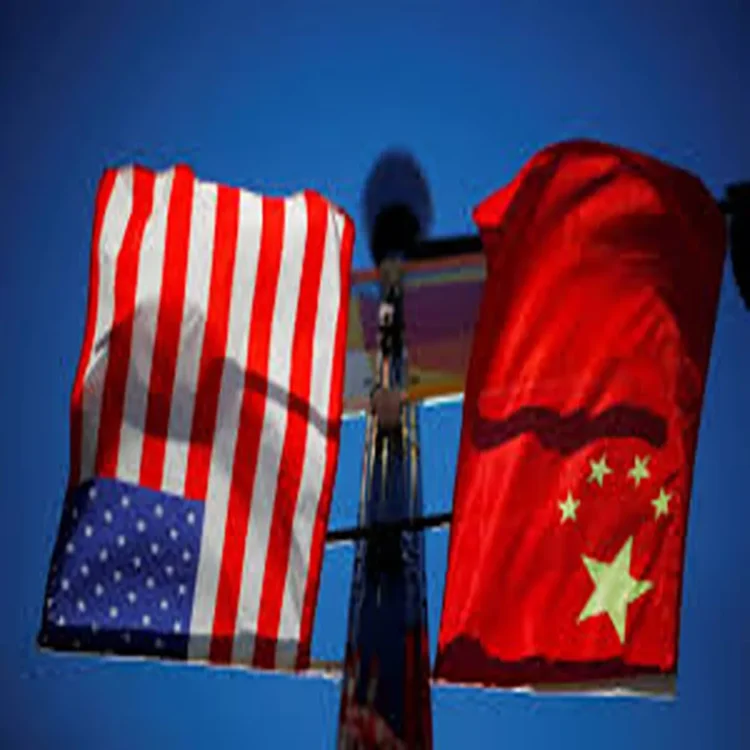
US Regulator Moves Toward New Certification Rules
The Federal Communications Commission (FCC) has taken initial steps toward introducing rules that would prevent certain foreign laboratories from testing electronic products destined for sale in the United States. The proposal, which advanced through a vote on Thursday, targets testing facilities in countries that do not have formal recognition agreements with the US.
If finalized, the rule would apply broadly to devices such as smartphones, cameras, and other electronics that require certification before entering the American market. The FCC has indicated that the measure is intended to address national security concerns related to foreign involvement in product testing and certification processes.
Heavy Reliance on Chinese Testing Facilities
Data from the FCC suggests that a substantial majority of electronic devices approved in the United States—estimated at around 75 percent—are currently tested in laboratories located in China. This reliance highlights the potential scale of disruption that could arise if the proposed restrictions are enforced.
Industry experts note that shifting testing operations away from established Chinese labs could increase costs and delay product approvals. Manufacturers may need to find alternative facilities in countries that meet US regulatory requirements, which could reshape global supply chains in the electronics sector.
Beijing Warns of Economic Consequences
China’s Ministry of Commerce responded strongly to the proposal, warning that such restrictions could damage the international trade framework and harm bilateral economic ties. Officials stated that the move would undermine stability in trade relations and could prompt countermeasures.
In its statement, the ministry emphasized that it would take necessary steps to protect the interests of Chinese companies if the US proceeds with the policy. It also accused the FCC of repeatedly introducing measures that place limitations on Chinese firms and products, further complicating trade interactions between the two economies.
Lack of Mutual Recognition Agreements
A key aspect of the proposed rule is its focus on countries that do not have mutual recognition agreements with the United States regarding testing and certification standards. According to the FCC, only laboratories in countries with such agreements—or similar reciprocal arrangements—would continue to be recognized.
China currently does not have this type of agreement with the FCC, making its testing facilities particularly vulnerable under the new framework. This regulatory gap has become a central point of contention, with Beijing arguing that the policy unfairly targets its industries.
Transition Period and Industry Impact
If the proposal is approved in its final form, devices tested in affected laboratories would not be immediately banned. Instead, the FCC has outlined a transition period of up to two years, during which products already certified could gradually be phased out.
While this timeline may provide temporary relief for manufacturers, companies are expected to begin adjusting their compliance strategies well in advance. The potential shift in testing requirements could influence production timelines, costs, and market entry strategies for global electronics brands.
Broader Implications for Trade Relations
The development comes amid ongoing efforts by both countries to stabilize economic ties, even as disagreements persist in areas such as technology, security, and market access. Analysts believe that regulatory measures like this could further complicate negotiations and increase uncertainty for businesses operating across both markets.
As discussions continue, the outcome of the FCC proposal will be closely watched by industry stakeholders and policymakers alike, given its potential to reshape the global electronics certification landscape