
Narcotics – Major Cocaine Bust in Mumbai Exposes Global Drug Network
Narcotics – India’s anti-drug agencies have dealt a significant blow to an international narcotics network after seizing a large quantity of cocaine in Mumbai. Union Home Minister Amit Shah confirmed that the Narcotics Control Bureau (NCB) recovered 349 kilograms of high-grade cocaine, estimated to be worth ₹1,745 crore in the illegal market. The operation is being described as one of the most substantial drug seizures in recent years.
Investigation Uncovers Widespread Network
Officials revealed that the breakthrough came as part of a carefully coordinated investigation. What began as a probe into a relatively small consignment eventually led authorities to a much larger international syndicate. According to Shah, this approach highlights the effectiveness of tracking drug supply chains from the ground level upward, enabling investigators to identify and dismantle key links within the network.
The NCB’s strategy involved closely monitoring movements, analyzing patterns, and gathering intelligence across multiple levels of the operation. This method ultimately helped uncover the scale of the network and led to the major seizure in Mumbai.
Government Reaffirms Zero-Tolerance Approach
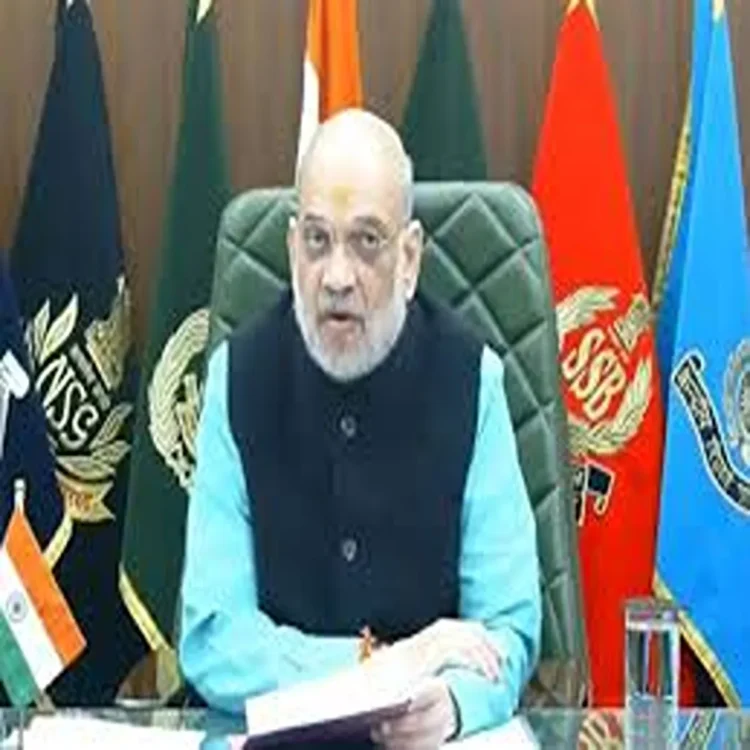
Reacting to the development, Amit Shah reiterated the government’s commitment to taking firm action against drug trafficking. In his statement, he emphasized that authorities remain determined to eliminate narcotics operations through decisive and sustained efforts. He also praised the NCB team for their role in executing the operation successfully.
The government has consistently maintained a strict stance against drug-related crimes, viewing them as a serious threat to public health and national security. This latest operation aligns with ongoing efforts to strengthen enforcement and disrupt organized crime networks linked to drug trafficking.
Links to International Crime Under Scrutiny
The timing of the seizure is notable, as it follows recent developments involving individuals connected to global criminal networks. Just days before the operation, Salim Dola, known for his association with international fugitive Dawood Ibrahim, was brought back to India from Turkiye. Authorities are now examining whether there are any links between the arrested individuals and the recently uncovered drug network.
Investigators are focusing on tracing financial transactions, communication channels, and logistical connections to determine the extent of international involvement. Such links, if established, could provide further insight into how global crime syndicates operate within India.
Impact on Drug Supply Chains
Experts believe that a seizure of this scale could significantly disrupt the supply chain of illegal narcotics, at least temporarily. High-grade cocaine is typically associated with international trafficking routes, and intercepting such a large quantity is expected to have a ripple effect across distribution networks.
However, officials caution that drug cartels are often quick to adapt. Continuous monitoring and intelligence-sharing between agencies will be crucial to ensuring that similar networks do not regroup or resume operations elsewhere.
Continued Vigilance by Enforcement Agencies
The Narcotics Control Bureau and other law enforcement agencies are expected to intensify their efforts following this operation. Authorities are likely to expand investigations, identify additional suspects, and strengthen coordination with international counterparts.
This case also highlights the importance of sustained vigilance and strategic planning in tackling organized crime. By focusing on both local and global dimensions of drug trafficking, agencies aim to build a more comprehensive response to the issue.
The Mumbai seizure stands as a clear indication of the challenges posed by transnational narcotics networks, as well as the progress being made to counter them.