
RealEstate – Ramky Estates Secures Funding to Revive Stalled Bengaluru Projects
RealEstate – Ramky Estates & Farms Ltd has secured significant financial backing to revive two long-delayed residential developments in Bengaluru, marking a notable step toward resolving stalled housing projects in the city. The company, part of the Ramky Group, has taken control of these projects from Skylark Builders and aims to accelerate their completion with structured funding support.
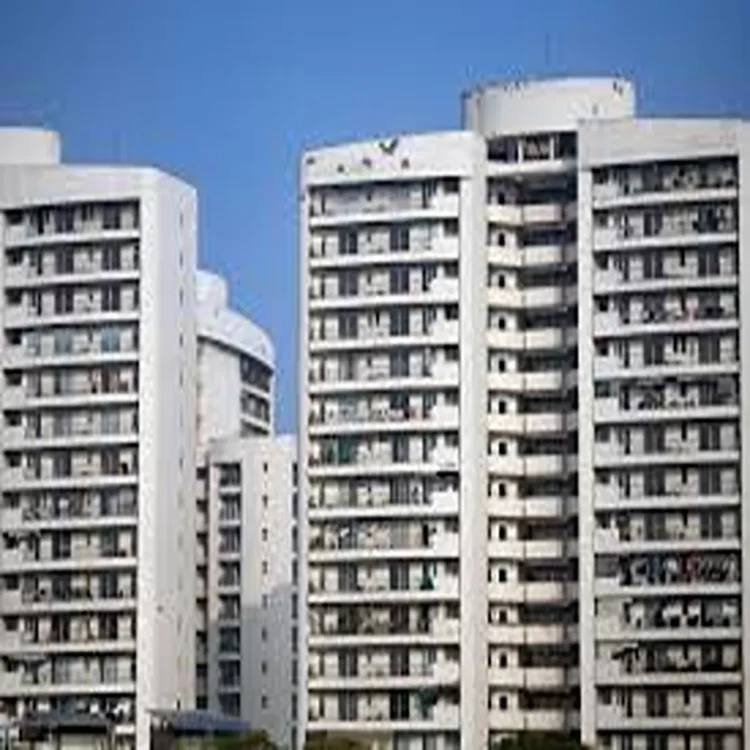
Funding Boost to Restart Construction
To facilitate the revival, Ramky Estates has received Rs 600 crore from the government-supported SWAMIH Fund. This capital infusion is expected to ensure steady construction progress and restore buyer confidence in projects that had remained incomplete for an extended period. The developments together cover approximately 4.3 million square feet and hold an estimated revenue potential of around Rs 2,000 crore.
The total cost required to complete the projects is projected at nearly Rs 1,500 crore. With the newly secured funding, the company plans to streamline execution and maintain timelines through a milestone-based approach.
Background of SWAMIH Fund Initiative
The Special Window for Affordable and Mid-Income Housing (SWAMIH) Fund was introduced in November 2019 to address delays in residential developments facing financial constraints. Managed by SBICAP Ventures, the initiative has played a key role in unlocking value across multiple projects nationwide.
According to official data, the fund has enabled progress in over 127 housing projects, unlocking investments exceeding Rs 37,400 crore. It has also sanctioned more than Rs 14,800 crore and facilitated customer collections of over Rs 10,000 crore, helping revive trust in delayed housing developments.
Project Details and Renaming
The two Bengaluru projects have been rebranded under Ramky Estates as Ramky Lumina in Electronic City and Ramky Fortuna in Whitefield. Together, these developments span a substantial built-up area, with Lumina accounting for about 700,000 square feet and Fortuna covering nearly 1 million square feet.
The takeover process was completed in phases. Lumina came under Ramky’s control in June 2025, while Fortuna followed in March 2026. Both projects had previously experienced significant delays, affecting homebuyers awaiting possession.
Current Progress and Delivery Timeline
Construction at both sites has resumed with renewed momentum. Lumina has reached around 60 percent completion, while Fortuna stands at approximately 75 percent. Work is being carried out under a structured execution model that closely tracks progress against predefined milestones.
Once completed, the two developments will offer a combined total of 1,881 residential units. Lumina will include 729 units, whereas Fortuna will have 1,152 units. The company has indicated that Lumina is expected to be completed between the third and fourth quarters of the financial year 2026–27, while Fortuna will be delivered as per its scheduled timeline.
Focus on Restoring Buyer Confidence
Ramky Estates has emphasized that the takeover is not merely a business decision but also a commitment to homebuyers who have been waiting for years. Delays in execution had previously impacted both project viability and customer trust.
A senior company executive stated that the priority is to ensure transparency, consistent progress, and timely delivery. By implementing disciplined processes and maintaining accountability, the company aims to provide reassurance to more than 1,800 families associated with these projects.
Broader Impact on Housing Market
The revival of stalled housing projects is seen as a positive development for the real estate sector, particularly in major cities like Bengaluru. Such interventions not only support developers but also protect the interests of homebuyers who invest significant savings into residential properties.
Efforts like the SWAMIH Fund continue to play a crucial role in addressing liquidity challenges and ensuring that incomplete housing projects reach completion. The successful execution of these revived developments could set a precedent for similar initiatives across the country.