
Heatwave – Doctors warn of rising health risks for children in extreme temperatures
Heatwave – As temperatures climb across several regions of India, medical professionals are advising families to remain vigilant about the impact of intense heat on children. Experts note that younger age groups are more vulnerable to heat-related conditions and require closer attention during prolonged hot spells.
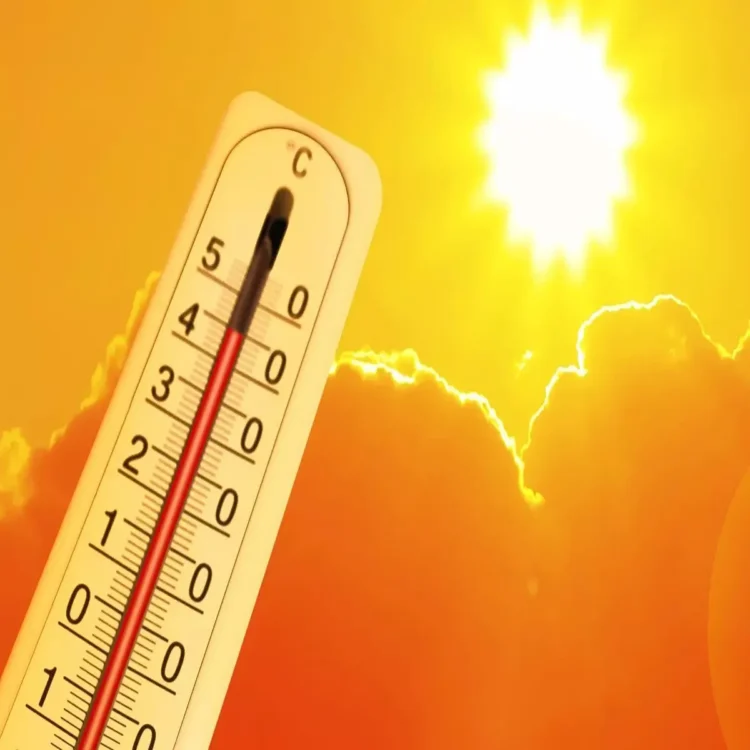
Children face higher vulnerability during extreme heat
Paediatric specialists have highlighted that children’s bodies are less efficient at regulating temperature compared to adults. This makes them more prone to dehydration, heat exhaustion, and other complications. Doctors are urging parents to ensure that children stay well-hydrated throughout the day by offering fluids regularly in small quantities. Sugary beverages should be avoided, as they may worsen dehydration rather than relieve it.
Limiting outdoor activities, especially during peak afternoon hours, has also been recommended. Prolonged exposure to high temperatures can quickly affect a child’s physical condition, even if they appear healthy at first.
Special precautions for infants and children with health conditions
Medical experts have drawn particular attention to infants and children with pre-existing medical issues. Babies, who cannot communicate thirst or discomfort, need constant supervision to ensure they remain hydrated and comfortable. Caregivers are encouraged to maintain a cool indoor environment and monitor feeding and fluid intake closely.
Children with neurological conditions, such as epilepsy, may experience increased health risks during heatwaves. Elevated temperatures can trigger more frequent episodes, while other chronic illnesses may also worsen under extreme heat. This makes it essential for families with such children to follow medical advice carefully and take preventive steps.
Recognising early warning signs of heat stress
Doctors have outlined several early indicators that may suggest a child is struggling with heat exposure. Symptoms such as unusual irritability, faster breathing, increased heart rate, and excessive sleepiness should not be ignored. These signs may indicate the onset of heat-related illness and require immediate attention.
In such situations, increasing fluid intake and moving the child to a cooler environment are the first steps. However, medical consultation should not be delayed if symptoms persist or worsen, as timely intervention can prevent complications.
Concerns over long-term developmental impact
Beyond immediate health effects, experts are increasingly examining how repeated exposure to extreme heat could influence children’s development. There is growing concern that sustained high temperatures may affect cognitive functions and behaviour over time.
Specialists suggest that heat exposure does not only impact physical health but can also influence neurological development. This has led to calls for broader awareness among parents and communities about the hidden risks associated with rising temperatures.
Preventive measures remain key to protection
Healthcare professionals continue to emphasise simple yet effective preventive steps. Dressing children in loose, breathable clothing, ensuring access to shade, and maintaining a consistent intake of fluids are considered essential practices during hot weather. Parents are also encouraged to follow professional medical guidance, particularly for children with known health conditions.
Adults working in outdoor or high-temperature environments have also been advised to take precautions. Regular breaks in shaded areas, wearing protective clothing, and consuming fluids at frequent intervals can help reduce the risk of heat-related illness.
Weather outlook offers limited relief in some regions
According to meteorological forecasts, certain northern regions may experience intermittent rainfall along with thunderstorms and gusty winds over the coming days. While these conditions could provide temporary relief from the heat, experts caution that high temperatures are likely to persist in many areas.
Light to moderate rainfall is expected in parts of northern India on select dates, accompanied by winds reaching speeds of up to 40 kmph. However, these changes may not significantly reduce overall heat levels, making continued precautions necessary.
As the country navigates fluctuating weather patterns, health experts stress that awareness and preventive care remain the most effective ways to protect children and families from the adverse effects of heatwaves.