
Agriculture – Delhi Eases Wheat Procurement Rules After Weather Damages Crop
Agriculture – The Delhi government has introduced a series of relaxations in wheat procurement standards following reports of crop damage caused by unfavorable weather conditions this year. The move is aimed at protecting farmers from financial losses and ensuring that affected produce is still eligible for government purchase.
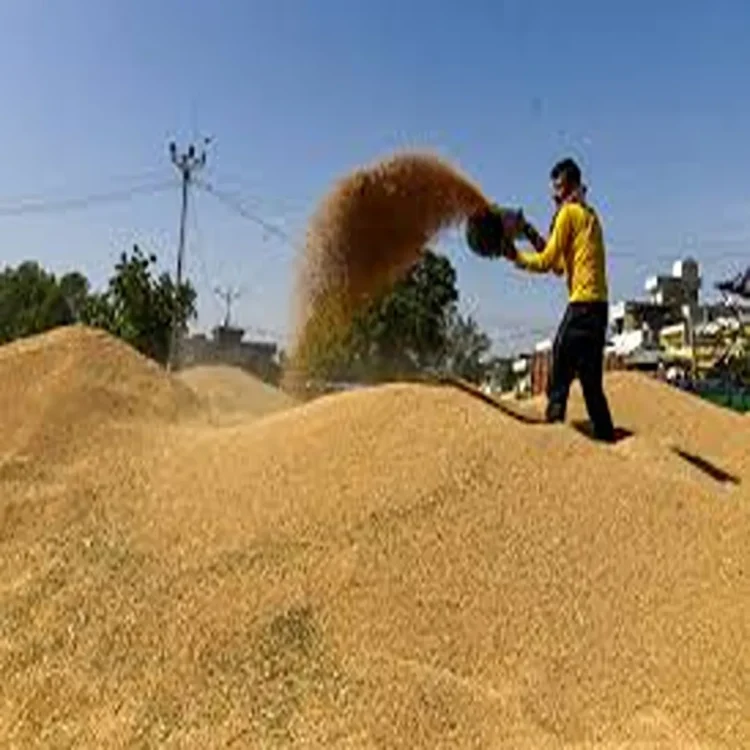
Relaxation Introduced to Support Farmers
Chief Minister Rekha Gupta stated that the revised norms were approved after the state government formally requested the Union Government earlier this month. These changes will apply across all districts in Delhi for the 2026–27 Rabi marketing season and are effective from the start of the procurement cycle.
The decision comes at a time when many farmers have reported deterioration in grain quality due to erratic weather patterns. Officials believe the relaxed criteria will help reduce distress selling, where farmers are forced to offload their produce at significantly lower prices.
Revised Quality Standards Explained
Under the updated guidelines, wheat showing up to 70 percent loss of natural shine will now be accepted for procurement. In addition, the permissible limit for shriveled and damaged grains has been raised from 6 percent to 15 percent. This change is expected to bring a larger quantity of weather-affected wheat within the procurement system.
However, authorities have maintained certain safeguards to preserve overall quality. The combined proportion of broken and slightly broken grains must still remain within 6 percent. This condition is intended to ensure that the grain remains suitable for consumption despite the relaxed norms.
Separate Handling and Storage Measures
The government has also outlined specific protocols for managing wheat procured under these relaxed standards. Such grain will be stored separately from regular stock, with a dedicated accounting system in place. Officials said this approach is designed to maintain transparency and prevent any mixing of different quality categories.
Additionally, the administration plans to prioritize the use of this wheat at an early stage rather than keeping it in long-term storage. By doing so, authorities aim to minimize the risk of further deterioration and ensure efficient utilization.
Local Use and Accountability Framework
According to the Chief Minister, wheat collected under the revised norms will be used exclusively within Delhi to meet local food requirements. This decision ensures that the grain is consumed quickly and does not enter extended storage cycles.
The government has also made it clear that it will take full responsibility for any decline in quality during storage. This commitment reflects an effort to reassure both farmers and consumers about the handling of the procured stock.
Focus on Farmer Welfare and Food Security
Rekha Gupta emphasized that the policy change is rooted in the need to protect farmers’ incomes and maintain food supply stability. She described the move as an important step toward ensuring fair compensation for agricultural producers while also strengthening the city’s food distribution system.
Officials have been instructed to implement the new measures in a transparent and time-bound manner. The administration aims to ensure that the benefits of these relaxations reach farmers promptly and that consumers continue to receive adequate supplies.
The announcement highlights the government’s response to climate-related challenges affecting agriculture and underscores the importance of flexible policies during difficult crop seasons.