
Governance – Delhi Introduces Lottery System for Transparent GST Postings
Governance – The Delhi government has rolled out a new lottery-based system to allocate postings among newly appointed Goods and Services Tax (GST) officers and inspectors, marking a shift aimed at improving transparency and accountability in administrative practices.
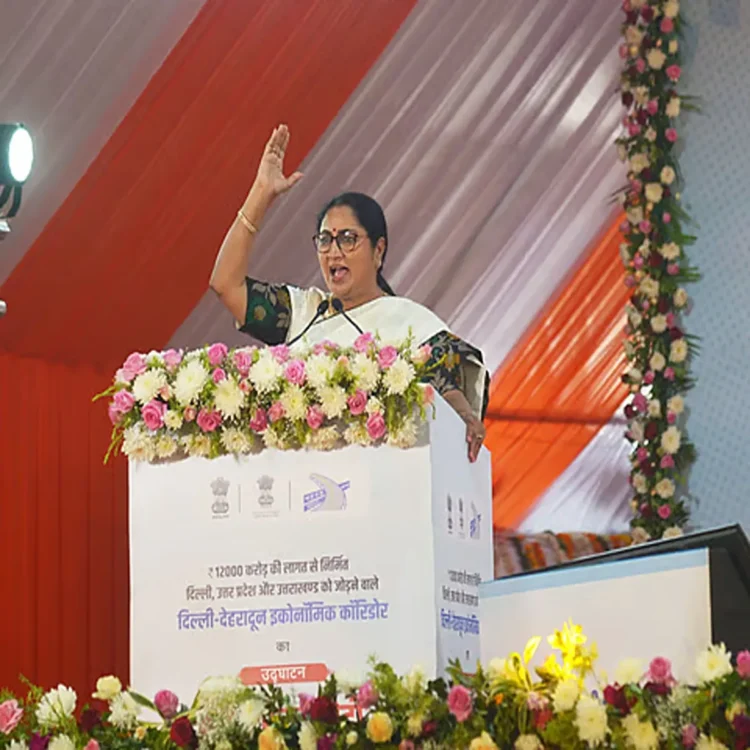
Transparent Allocation Process Introduced
Chief Minister Rekha Gupta described the initiative as an important administrative reform designed to eliminate bias in posting decisions. According to her, the system was implemented on April 23, when 87 GST officials received their postings through a structured lottery process. The exercise took place in the department’s conference hall, with both senior officials and newly appointed staff present to ensure openness.
Senior officers, including the commissioner, special commissioner, joint commissioner, and assistant commissioner, oversaw the process. By conducting the exercise publicly, the government sought to remove any doubts regarding favoritism or unfair influence in the allocation of roles.
Background: Concerns Over Absenteeism and Delays
The move follows a surprise inspection carried out by the chief minister earlier in April. During her visit to the trade and taxes office, several officers were reportedly absent from duty. She also interacted directly with taxpayers, many of whom raised concerns about delays in routine services and the frequent unavailability of senior officials.
In response to these issues, the administration initiated a reshuffle, transferring around 162 officials to the state GST office. The introduction of the lottery system is being seen as a continuation of efforts to streamline operations and rebuild trust in the department’s functioning.
How the Lottery System Works
The newly adopted system relies on a simple yet structured mechanism. Two separate boxes are used during the allocation process. One contains the names of officers and staff members, while the other holds slips indicating vacant ward numbers.
Each officer is required to personally draw slips from both boxes. The combination of the selected slips determines the final posting. This method ensures that assignments are made randomly, giving all participants an equal chance without external interference.
Officials confirmed that the entire process was recorded on video from beginning to end. This step was taken to maintain a verifiable record and further strengthen confidence in the system’s fairness. The exercise was conducted under the direct supervision of senior authorities to ensure compliance with established procedures.
Emphasis on Accountability and Clean Governance
The chief minister reiterated that the Delhi government is committed to a strict stance against corruption. She noted that adopting such transparent systems is essential to reducing opportunities for malpractice and ensuring that administrative decisions are based on fairness rather than discretion.
The introduction of the lottery system reflects a broader attempt to modernize governance practices within the tax department. By minimizing human intervention in posting decisions, the government aims to create a more efficient and trustworthy administrative environment.
Potential Impact on Department Functioning
Officials believe the new approach could improve morale among staff by assuring them of an unbiased system. At the same time, it is expected to enhance service delivery by placing officers in roles without delays caused by disputes or procedural bottlenecks.
While the long-term effectiveness of the system will depend on its consistent implementation, the move has already drawn attention as a practical step toward administrative reform. Observers note that similar models could be considered in other departments if the initiative proves successful.
The development highlights the government’s ongoing efforts to address operational challenges within public offices while reinforcing transparency in governance