
ClimateChange – India May Face Sharp Rise in Extreme Heat Days by 2045
ClimateChange – India is projected to experience a significant increase in extreme heat over the next two decades, with new research indicating that many regions could see several dozen additional unusually hot days each year.
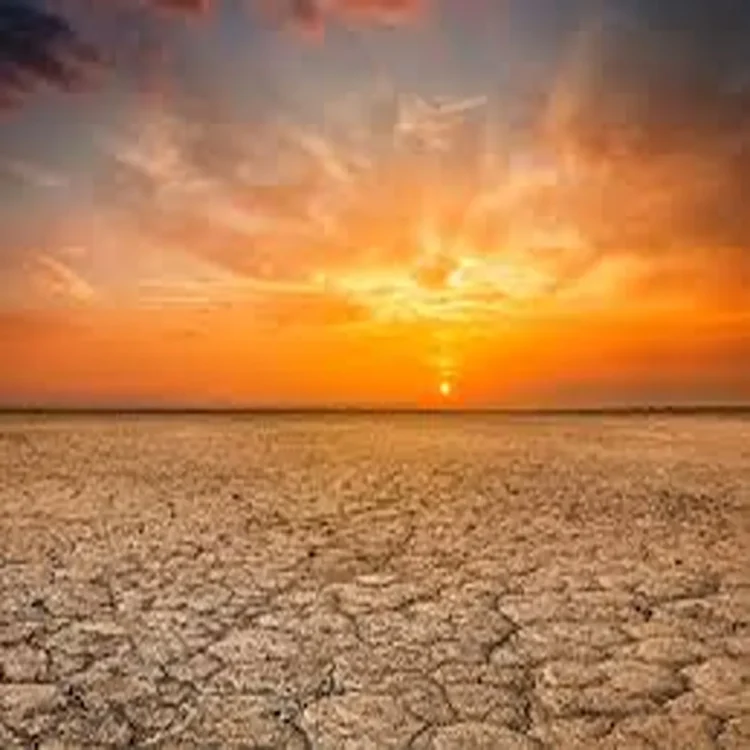
A recent analysis by a New Delhi-based environmental research organisation highlights a worrying trend: the number of days marked by extreme heat conditions may rise substantially across the country. The findings suggest that this shift could have wide-ranging consequences, affecting public health, infrastructure, and key industries.
Growing Frequency of Extreme Heat Days
The study estimates that India could witness between 15 and 40 extra unusually hot days annually compared to historical climate patterns observed between 1981 and 2010. These days are identified based on when average daily temperatures exceed a district-specific threshold derived from long-term climate data.
In addition to hotter days, the report points to a rise in unusually warm nights. Several regions may experience 20 to 40 more such nights each year, a development that could worsen heat stress as the body gets less time to recover after sunset.
Impact on Public Health and Daily Life
Experts warn that the increase in both daytime and nighttime temperatures could pose serious health risks. Warmer nights, in particular, make it harder for the human body to cool down, increasing the likelihood of heat-related illnesses.
The report notes that these changes could also affect labour productivity, especially for outdoor workers. Prolonged exposure to heat can reduce efficiency and increase fatigue, ultimately impacting economic output. Urban populations may face additional challenges due to the heat retention effect of built environments.
Rising Pressure on Infrastructure and Data Centres
India’s expanding digital infrastructure may also feel the strain. The country currently operates hundreds of data centres, which rely heavily on cooling systems to maintain optimal performance. As temperatures climb, these facilities are expected to consume more energy to stay functional, pushing up operational costs.
The increased demand for cooling could also place additional pressure on electricity grids, particularly during peak summer months. This may require further investments in energy capacity and efficiency measures.
Regional Variations in Climate Impact
The analysis highlights that central and southern parts of India are likely to be among the most affected. States such as Maharashtra, Telangana, Andhra Pradesh, Karnataka, and Tamil Nadu may see the most pronounced increase in both extreme heat days and heavy rainfall events.
The combination of higher temperatures and intense rainfall could create complex challenges for urban planning, agriculture, and water management. Flooding risks may rise even as heatwaves become more frequent, making climate adaptation strategies increasingly important.
Data-Driven Climate Projections
The projections are based on insights generated by an advanced climate analytics platform that uses artificial intelligence to assess long-term trends. The system draws on over four decades of publicly available data from institutions such as national meteorological and environmental agencies.
By combining historical records with future climate scenarios extending up to 2070, the platform offers a detailed view of how weather patterns may evolve. This data-driven approach is intended to support policymakers and planners in preparing for climate-related risks.
Government Acknowledges Climate Reality
At a recent event marking the launch of the analytics platform, Union Commerce and Industry Minister Piyush Goyal acknowledged the growing impact of rising temperatures. He pointed out that even recent nights have felt unusually warm for this time of year, underlining the urgency of the issue.
He emphasized that increasing heat, more frequent extreme weather events, and changing rainfall patterns are clear indicators that climate change is already affecting India’s economy and everyday life.
Need for Preparedness and Adaptation
The findings underscore the importance of proactive measures to address climate risks. From improving urban design and enhancing cooling efficiency to strengthening healthcare systems, a coordinated response will be essential.
As India continues to develop, balancing growth with climate resilience will be key to reducing the long-term impact of rising temperatures.