
Politics – Debate Grows Over Pawar Family’s Expanding Political Presence
Politics – Lobbying has intensified within the Nationalist Congress Party (NCP) ahead of the upcoming biennial elections to the legislative council, where the party is expected to secure one of the ten available seats. Party insiders indicate that Jay Pawar, the younger son of senior leader Ajit Pawar, is emerging as a strong contender for the nomination. Supporters argue that his inclusion would bring fresh energy and position him as a youthful representative of the party in the state council.
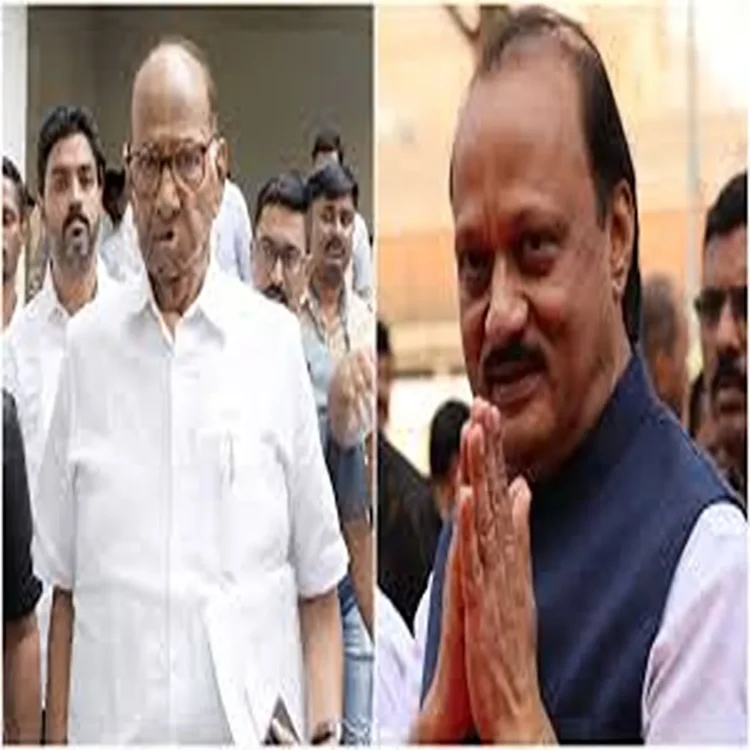
Push for New Leadership Within Party Ranks
Those backing Jay Pawar’s candidature believe he has the potential to strengthen the party’s presence among younger voters while also contributing to legislative responsibilities. The argument being put forward is that the party needs a new generation of leaders to sustain its relevance in state politics. If selected, Jay Pawar would join other members of his family already holding key political roles, further consolidating their influence within Maharashtra’s political landscape.
His elder brother, Parth Pawar, has already entered national politics as a member of the Rajya Sabha, while his mother, Sunetra Pawar, serves as the Deputy Chief Minister of Maharashtra. This concentration of positions within a single family has sparked discussions across political circles, with some viewing it as a strategic consolidation of leadership and others raising concerns about internal representation.
Changes in Padma Award Committee Raise Questions
In another development, senior BJP leader Ashish Shelar has been excluded from the state’s Padma Award selection committee. Traditionally, the cultural affairs minister is included in this panel, which is responsible for recommending names for prestigious civilian honors awarded by the central government. However, this time, the committee led by protocol minister Jaykumar Rawal has not included Shelar.
This decision has drawn attention due to Shelar’s seniority within the party and his role as cultural minister. Political observers interpret the move as a significant internal signal, possibly reflecting shifting dynamics within the state leadership. The committee itself plays an important role in identifying individuals from various fields such as arts, literature, and public service for national recognition.
Media Strategy Sees New Appointment in BJP
Meanwhile, Maharashtra BJP president Ravindra Chavan has appointed senior journalist Govind Yetayekar as the party’s new state media head. Yetayekar brings extensive experience from both print and television journalism. Over the years, he has worked with well-known media organizations, including Sakal newspaper and Zed 24 Taas Marathi news channel.
His association with the BJP is not new. In 2014, he served as media advisor to then education minister Vinod Tawade. Tawade currently holds a national-level organizational role within the party, overseeing operations in Bihar. Yetayekar’s appointment is seen as part of the BJP’s continued effort to strengthen its communication strategy and outreach.
He replaces Navnath Bang, another journalist who previously managed the party’s media operations in the state. Bang recently transitioned into active electoral politics and was elected as a corporator in the Brihanmumbai Municipal Corporation (BMC). With this change, the party appears to be maintaining a pattern of bringing media professionals into key organizational roles.
Political Landscape Reflects Ongoing Realignment
These developments highlight a period of adjustment and recalibration within Maharashtra’s political framework. From candidate selection debates within the NCP to organizational shifts in the BJP, parties appear to be preparing for future electoral challenges while balancing internal expectations and public perception.
The focus on leadership, representation, and communication strategies suggests that both major parties are working to position themselves effectively in a competitive political environment.