
LegalNews – Kejriwal and Sisodia Decline Delhi High Court Appearance in Excise Case
LegalNews – The ongoing excise policy case in Delhi has taken a significant turn after senior leaders of the Aam Aadmi Party chose not to appear before a specific High Court bench, citing a lack of faith in the judicial process.
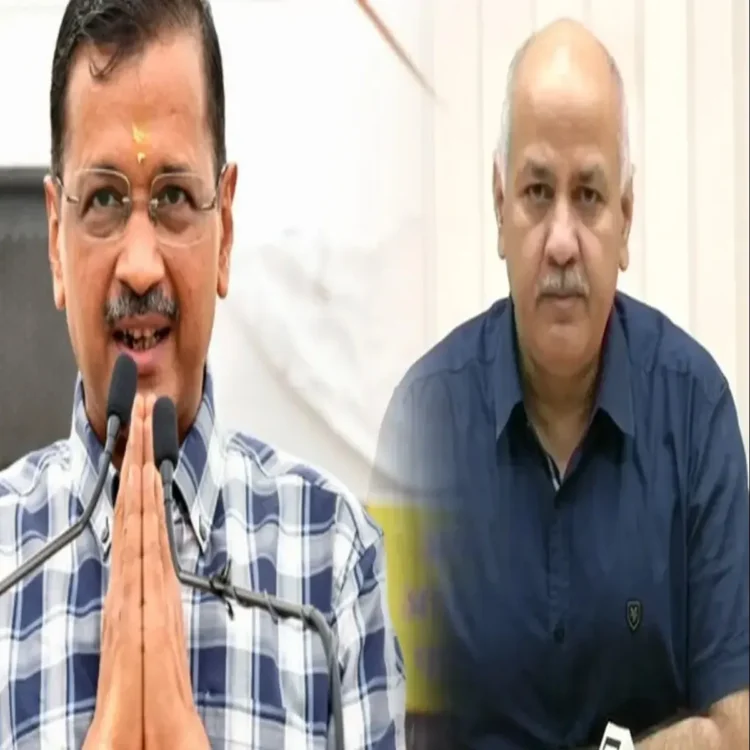
A day after AAP national convenor Arvind Kejriwal announced that he would not present himself before the Delhi High Court bench led by Justice Swarana Kanta Sharma, senior party leader Manish Sisodia followed suit with a similar decision. In a formal communication addressed to the court on Tuesday, Sisodia stated that he would neither personally appear nor appoint legal representation for his case related to the excise policy matter.
Sisodia Echoes Kejriwal’s Position
In his letter, Sisodia conveyed strong dissatisfaction, asserting that he no longer expected a fair outcome. He further remarked that no lawyer would represent him in the proceedings before the same bench. His message also included a pointed statement suggesting that the future of the judge’s children lay in the hands of Solicitor General Tushar Mehta, reflecting the depth of his concern and frustration.
Sisodia added that he saw no viable legal recourse remaining, describing his stance as one rooted in protest rather than litigation. He referred to the path of Satyagraha, indicating a shift from legal engagement to moral resistance.
Kejriwal’s Earlier Stand and Legal Context
The development comes shortly after Kejriwal himself addressed a letter to the same High Court judge. This followed the rejection of his request seeking the judge’s recusal from hearing his case, a plea that was turned down on April 20. In response, the former Delhi Chief Minister made it clear that he would no longer participate in proceedings before the bench, either in person or through counsel.
Kejriwal described his decision as a matter of personal conviction, stating that his faith in receiving justice from the bench had been diminished. He also referenced Mahatma Gandhi’s principle of Satyagraha, presenting his stance as a form of peaceful resistance rather than defiance.
Legal Implications and Possible Next Steps
Despite withdrawing from participation in the High Court proceedings, Kejriwal indicated that he may pursue further legal remedies at the Supreme Court level. This leaves open the possibility of continued litigation, albeit through a different judicial forum.
Legal experts note that such a move—refusing to appear before a court while simultaneously considering an appeal in a higher court—is uncommon and raises questions about procedural strategy. However, it remains within the rights of the individuals involved to challenge decisions through constitutional avenues.
Broader Political and Judicial Impact
The coordinated stance taken by two of AAP’s most prominent leaders signals an unusual moment in the intersection of politics and the judiciary. While public figures have previously expressed dissatisfaction with court rulings, outright refusal to engage with a specific bench is rare and likely to attract significant attention.
The situation also highlights ongoing tensions surrounding the excise policy case, which has been at the center of political debate for months. As the matter progresses, its implications may extend beyond the courtroom, influencing both public discourse and political dynamics.
For now, the focus shifts to whether the Supreme Court will be approached and how it may respond if the case is escalated. Meanwhile, the Delhi High Court proceedings continue in the absence of the two key figures who have chosen to step back from participation.