
HeatStroke – Rising Temperatures Raise Concern Over Heat Illness Risks
HeatStroke – The country is currently grappling with intense heat, with temperatures hovering close to the 40-degree mark in several regions. Health experts are warning that even minor negligence during such weather conditions can lead to serious health complications. Among the most discussed concerns during peak summer are heat exhaustion and heat stroke—two conditions often misunderstood as the same, but medically quite different. With April itself witnessing unusually high temperatures, experts believe the coming months could pose even greater challenges, especially for vulnerable groups.
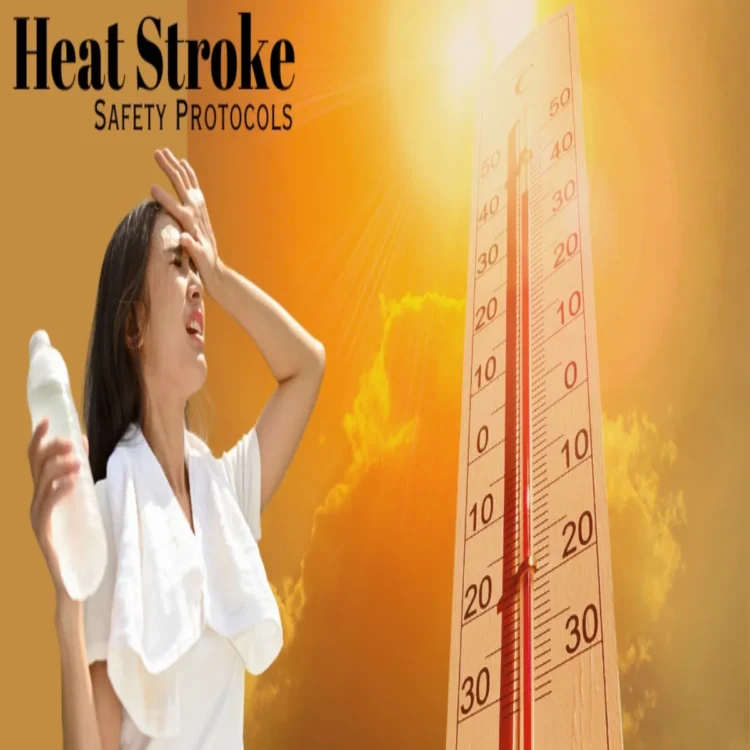
Early summer surge signals tougher months ahead
Medical professionals are already cautioning that the current heat levels are just a preview of what May and June might bring. Individuals with pre-existing health conditions, including heart disease, diabetes, or respiratory issues, may face increased risks. Prolonged exposure to direct sunlight, especially during peak afternoon hours, significantly raises the chances of heat-related illnesses. Experts advise limiting outdoor activities and maintaining hydration to avoid complications.
How the body naturally responds to heat
The human body is designed to regulate its internal temperature through sweating. As temperatures rise, sweat production increases to cool the body down. However, when heat combines with high humidity, this natural cooling system may struggle to function effectively. In such situations, the body begins to lose excessive fluids and salts, leading to the onset of heat exhaustion. If not addressed promptly, this condition can escalate into something far more severe.
Understanding heat exhaustion and its warning signs
Heat exhaustion is considered an early stage of heat-related illness and should not be ignored. It typically occurs when the body loses too much water and salt through excessive sweating. As a result, the body’s ability to maintain a stable temperature weakens. Common symptoms include heavy sweating, fatigue, dizziness, headache, muscle cramps, and nausea. In some cases, individuals may also feel faint or disoriented. This condition is often linked to prolonged exposure to heat without adequate fluid intake.
Why heat stroke is a medical emergency
Heat stroke is a far more critical condition and can be life-threatening if immediate medical attention is not provided. It occurs when the body completely loses its ability to regulate temperature, causing it to rise beyond 40 degrees Celsius. Unlike heat exhaustion, sweating may stop altogether, leaving the skin dry and unusually hot. Other symptoms include a rapid pulse, confusion, difficulty breathing, and even loss of consciousness. Doctors emphasize that delay in treatment can lead to severe complications affecting vital organs.
Awareness and timely action can save lives
Health experts stress that recognizing early symptoms and acting quickly can prevent serious outcomes. Simple measures such as staying hydrated, wearing light clothing, avoiding direct sunlight during peak hours, and taking regular breaks in cool environments can significantly reduce risks. Public awareness about the difference between heat exhaustion and heat stroke remains crucial, especially as temperatures continue to rise across the country.