
Rights – EU Court Declares Hungary Law Violates Fundamental Union Values
Rights – A landmark judgment from the European Union’s highest court has concluded that Hungary’s controversial 2021 legislation targeting LGBTQ-related content violates core principles of the bloc’s legal framework. The ruling marks one of the most significant human rights decisions in recent EU history, following a joint legal challenge brought by multiple member states and institutions.
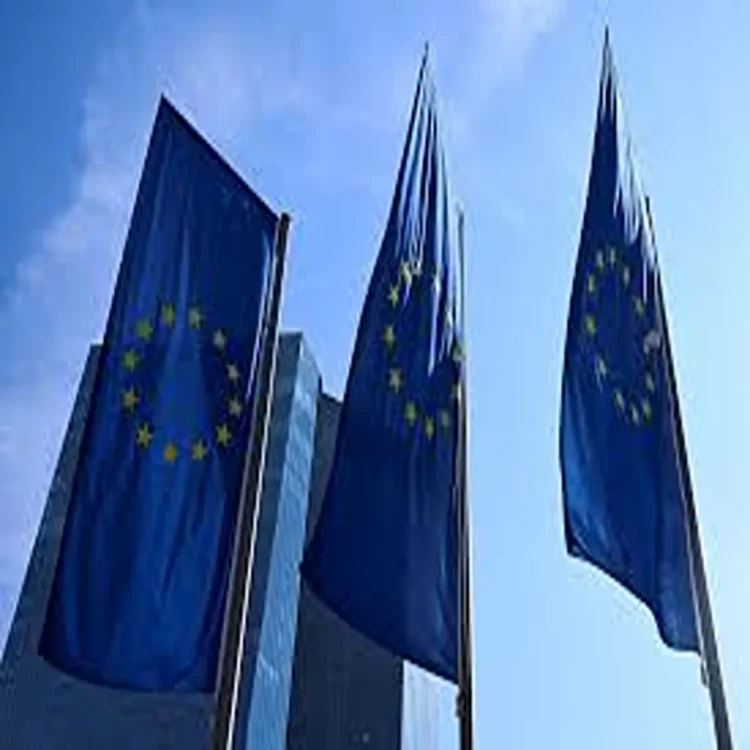
Court Finds Breach of Fundamental EU Principles
In its decision, the European Court of Justice determined that Hungary failed to comply with several aspects of EU law. The judges stated that the legislation conflicted with the foundational values outlined in the Treaty of the European Union, including respect for human dignity, equality, and the protection of minority rights.
The court emphasized that these values are not optional but form the basis of the EU’s identity as a shared legal and political community. It further clarified that member states cannot invoke national identity as a defense when adopting laws that undermine these principles.
Background of the Controversial Law
The legislation, initially introduced to strengthen measures against child abuse, was later expanded by Hungary’s ruling leadership to restrict what it described as the “promotion of homosexuality” among individuals under 18. This amendment quickly drew widespread criticism from across Europe.
Opponents argued that the law blurred the distinction between child protection and sexual orientation, effectively stigmatizing LGBTQ individuals. Critics also warned that the measure risked reinforcing harmful stereotypes by associating same-sex relationships with inappropriate behavior.
Broad Legal Challenge from EU Institutions
The case reached the EU’s top court after being jointly pursued by the European Commission, the European Parliament, and a majority of member states. Observers have described the case as one of the most extensive coordinated legal actions concerning human rights within the Union.
The court’s findings highlighted multiple areas where Hungary’s approach conflicted with EU obligations, marking the first time that a violation of Article 2 of the EU treaty—covering fundamental values—was formally established in such a context.
Strong Reactions from Rights Organizations
Human rights groups in Hungary and beyond welcomed the verdict, describing it as a decisive moment for the protection of equality within the EU. Several organizations stated that the ruling sends a clear message that exclusionary policies have no place in the Union.
In a joint response, advocacy groups noted that the decision reinforces the role of EU institutions not only as economic regulators but also as guardians of shared democratic values. They expressed hope that the ruling would lead to meaningful legal and social changes within Hungary.
Political Transition May Shape Next Steps
The responsibility for responding to the court’s judgment now lies with Hungary’s incoming parliament, expected to convene in early May. The new government will need to decide whether to amend or repeal the disputed law to align with EU requirements.
Recent political developments may influence this process. A change in leadership has brought a new prime minister to power after a closely watched election. During the campaign, the incoming leader signaled general support for equality but avoided detailed positions on LGBTQ-related policies.
However, in a post-election address, he indicated a broader vision for the country, stating that Hungary should be a place where individuals are not judged or marginalized for their personal relationships.
Implications for the European Union
The ruling is likely to have wider implications beyond Hungary, reinforcing the EU’s authority to intervene when member states adopt laws that conflict with shared values. Legal experts suggest it may set a precedent for future cases involving fundamental rights within the Union.
At the same time, the decision underscores ongoing tensions between national sovereignty and collective European standards. How Hungary responds in the coming months will be closely monitored by both EU institutions and international observers.