
Oil – Crude Prices Surge as Strait Tensions Lift Global Markets
Oil – Oil prices jumped sharply at the start of the week, reflecting renewed tensions in a key global shipping route and adding uncertainty to the outlook for energy supplies.
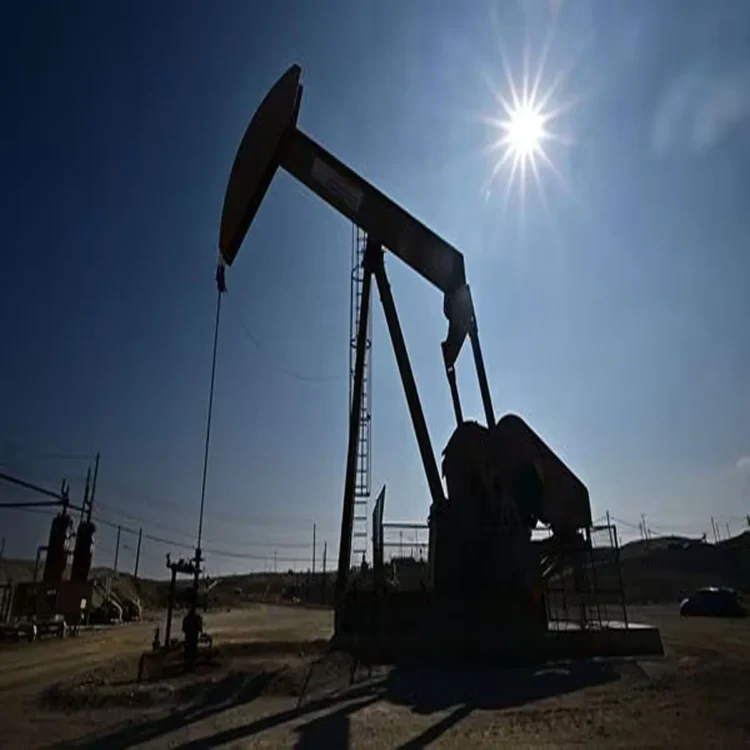
Global oil benchmarks recorded gains of more than five percent on Monday as developments in the Strait of Hormuz disrupted tanker movement. The situation escalated after Iran reversed an earlier move to reopen the strategic waterway, while the United States maintained naval pressure in the region. The renewed standoff has once again highlighted the vulnerability of one of the world’s most critical oil transit corridors.
Strait Disruption Raises Supply Concerns
The closure of the Strait of Hormuz has immediate implications for global oil flows, as a significant portion of the world’s crude exports passes through this narrow channel. With shipping activity restricted, traders reacted quickly, pushing prices higher. U.S. benchmark crude rose to $87.20 per barrel, while Brent crude climbed to $95.16, reflecting growing concerns over supply disruptions.
The situation remains fluid, with geopolitical tensions influencing market behavior. While earlier indications suggested a reopening of the strait, the reversal has intensified uncertainty around how quickly normal shipping operations can resume.
Asian Markets Show Resilience
Despite the sharp rise in oil prices, stock markets across Asia posted gains. Investors appeared to balance concerns over energy costs with optimism about broader economic stability. Japan’s Nikkei 225 rose by 1 percent, while South Korea’s Kospi index advanced 1.1 percent.
Markets in Hong Kong and mainland China also moved higher, with the Hang Seng index increasing by 0.8 percent and the Shanghai Composite gaining 0.6 percent. Taiwan’s benchmark index recorded a stronger jump of 1.4 percent, while Australia’s market remained largely unchanged.
Market analysts noted that the current rally in equities may be driven more by momentum than strong underlying confidence, suggesting that investors remain cautious even as stock prices rise.
Previous Optimism Quickly Reversed
Just days earlier, oil prices had dropped significantly after signals emerged that shipping through the Strait of Hormuz might resume. That brief optimism had helped global markets rally, with U.S. stocks reaching new highs.
The S&P 500 closed at a record level, supported by hopes that tensions between the United States and Iran could ease. The Dow Jones Industrial Average and the Nasdaq composite also posted strong gains, extending a period of positive performance fueled by expectations of stability in global trade and energy supply.
However, the latest developments have reversed that sentiment, bringing volatility back into focus. The earlier decline in oil prices, triggered by assurances of open shipping lanes, has now been replaced by renewed uncertainty.
Military Actions Add to Uncertainty
The geopolitical situation has been further complicated by recent military actions. The United States reported seizing an Iranian-flagged cargo vessel accused of attempting to bypass naval restrictions. In response, Iranian authorities signaled that they would take action, describing the seizure as unlawful.
These developments come as a temporary ceasefire between the two nations approaches its scheduled expiration. With tensions rising again, the prospects for renewed negotiations remain unclear.
Market Outlook Hinges on Geopolitics
Since the conflict began, financial markets have been highly sensitive to developments in the region. Investor sentiment has shifted frequently between optimism and caution, depending on signals related to conflict resolution and energy supply stability.
Strong corporate earnings in the United States have helped support equity markets, providing a counterbalance to geopolitical risks. However, the ongoing uncertainty surrounding oil flows continues to influence trading patterns across global markets.
In currency trading, the U.S. dollar edged slightly higher against the Japanese yen, while the euro also strengthened modestly against the dollar, reflecting cautious adjustments by investors in response to evolving conditions.
As the situation unfolds, market participants are closely watching diplomatic and military developments, which are likely to play a decisive role in shaping both energy prices and broader financial trends in the coming days