
Diplomacy – Pakistan Pushes Ahead With US-Iran Talks Amid Rising Tensions
Diplomacy – Pakistan has stepped up efforts to facilitate another round of discussions between the United States and Iran, even as uncertainty grows over whether the meeting will proceed. The planned talks come at a delicate moment, with a temporary ceasefire nearing its end and fresh developments in the Strait of Hormuz raising concerns about further escalation.
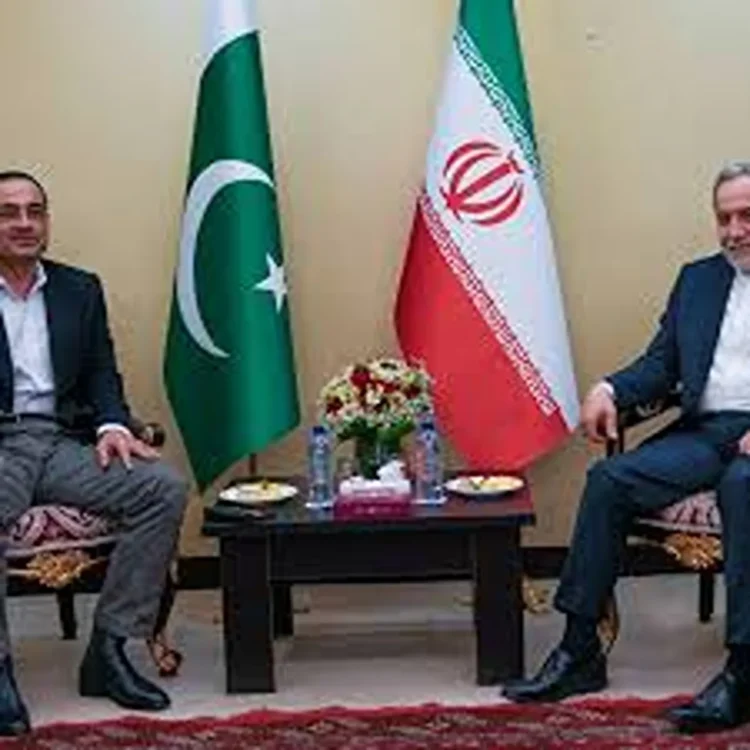
Diplomatic Efforts Intensify Ahead of Deadline
Officials in Islamabad have increased communication with both Washington and Tehran over the past day, aiming to ensure that negotiations continue as scheduled. According to individuals familiar with the process, Pakistan remains committed to hosting the talks, which are expected to take place soon. However, shifting circumstances on the ground have introduced doubts about participation from both sides.
The United States had earlier indicated that its representatives would travel to Pakistan’s capital to resume dialogue. Yet, recent developments, including military actions at sea, may influence those plans. On the Iranian side, there has been no final confirmation regarding attendance, although officials have not entirely ruled out joining the discussions.
Maritime Incident Adds to Strained Relations
Tensions escalated over the weekend when U.S. forces intercepted an Iranian-flagged cargo vessel. Washington stated that the ship had attempted to bypass restrictions placed on Iranian ports. In response, Iran’s military leadership condemned the action and warned of consequences, describing it as a violation of existing agreements.
Iranian authorities have also raised concerns about what they view as inconsistent signals from the United States ahead of negotiations. Officials in Tehran have pointed to the incident as evidence of a lack of trust, which could complicate diplomatic progress.
Key Issues Remain Unresolved
Although both sides have exchanged proposals in recent days, significant differences persist. Core disagreements include Iran’s nuclear activities, its influence in the region, and control over critical waterways such as the Strait of Hormuz. These issues have repeatedly hindered earlier rounds of negotiations, and there is little indication that positions have shifted substantially.
The situation is further complicated by ongoing restrictions in the Strait of Hormuz, a vital route for global trade. Iran had previously limited access to the waterway following joint military action against it earlier this year, affecting the movement of energy supplies and other essential goods.
Rising Human Cost of the Conflict
The broader conflict has led to a significant loss of life across the region. Iranian officials reported that more than 3,300 people have died within the country since hostilities began. The figures include a large number of civilians, among them hundreds of children.
Elsewhere, casualties have also been recorded in Lebanon, Israel, and several Gulf nations. Military personnel from multiple countries have been among those killed, highlighting the widespread impact of the conflict beyond its initial boundaries.
Oil Markets React to Ongoing Uncertainty
The instability in the Strait of Hormuz has had a direct effect on global energy markets. Oil prices have risen sharply in response to disruptions in shipping routes and fears of prolonged supply constraints. Although there was a brief easing after a temporary lull in fighting, prices climbed again following the latest maritime developments.
Analysts note that nearly one-fifth of the world’s oil passes through this strategic corridor, making any disruption highly consequential. In addition to energy supplies, the route is crucial for transporting other essential commodities, including natural gas and agricultural inputs.
Uncertain Path Forward
Iran has indicated that it could continue to exert pressure by restricting access to the strait if tensions persist. Officials have suggested that stability in global markets depends on resolving both military and economic disputes.
With the ceasefire deadline approaching and key disagreements unresolved, the coming days are expected to be critical. Whether diplomacy can move forward will depend on decisions taken in both Washington and Tehran, as well as Pakistan’s ability to maintain dialogue under increasingly challenging conditions.