
Groundwater – Tribunal Seeks Replies Over Illegal Extraction in Najafgarh
Groundwater – The National Green Tribunal has called for detailed responses from multiple authorities following allegations of large-scale unlawful groundwater extraction in the Najafgarh area of Delhi.
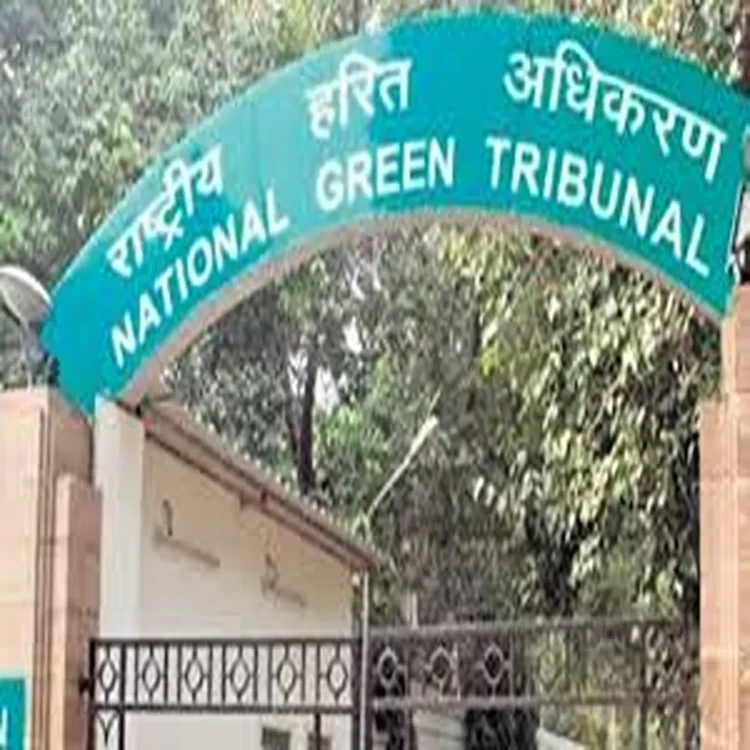
Tribunal Issues Notices to Key Authorities
A bench led by NGT Chairperson Justice Prakash Shrivastava, along with expert members A. Senthil Vel and Afroz Ahmad, has directed several government bodies to respond to the claims. Notices have been sent to the Delhi government, Delhi Jal Board (DJB), the local Sub-Divisional Magistrate and District Magistrate, Delhi Police, and the Delhi Pollution Control Committee (DPCC).
The tribunal’s action follows a petition highlighting unauthorized groundwater withdrawal at a specific site in Najafgarh. According to the plea, private tanker operators have been extracting water illegally and supplying it commercially, raising serious concerns about environmental damage and resource depletion.
Allegations of Organised Illegal Activity
The petition describes the operation as being run by a “private tanker mafia,” suggesting that the activity is not isolated but part of a broader network. It claims that groundwater is being extracted without proper permissions or monitoring, potentially harming the local water table and nearby ecosystems.
In addition to the alleged illegal operations, the plea has also pointed to a lack of effective enforcement by authorities. It accuses certain agencies, including the Delhi Jal Board, of failing to act despite being aware of the situation.
Concerns Over Administrative Inaction
The tribunal took note of the accusations regarding possible negligence and collusion among officials. The petition alleges that despite clear evidence of unauthorized extraction, authorities did not take timely or adequate action to stop the activity.
Responding to these concerns, the NGT has formally issued notices and instructed all concerned departments to submit their replies. The next hearing in the case has been scheduled for July 10, giving the respondents time to present their explanations and any action taken so far.
Previous Directions on Water Resource Protection
This is not the first time the tribunal has addressed issues related to groundwater misuse in Delhi. In a separate case earlier this year, the NGT had emphasized the urgent need to protect and restore water resources across the capital.
During a hearing in February, the tribunal directed the Delhi Pollution Control Committee to prepare a comprehensive plan aimed at rejuvenating water bodies. The move was seen as part of a broader effort to tackle declining groundwater levels and improve water sustainability in urban areas.
Growing Pressure on Groundwater Resources
Experts have repeatedly warned that unchecked extraction of groundwater in cities like Delhi can lead to long-term environmental challenges. Overuse of underground water reserves not only lowers the water table but can also cause land subsidence and reduce the availability of potable water in the future.
Najafgarh, in particular, has been identified as a vulnerable area due to its dependence on groundwater for both domestic and commercial use. Allegations of illegal extraction in such regions further intensify concerns about sustainable water management.
Awaiting Responses Before Further Action
With notices now issued, the tribunal is expected to review the responses from all concerned authorities before deciding on further action. The case highlights the need for stricter monitoring, better enforcement, and coordinated efforts among agencies to prevent misuse of natural resources.
The upcoming hearing will likely determine whether additional measures or penalties are required to address the issue and ensure compliance with environmental regulations