
Accreditation – New System Delay Leaves Universities Without Fresh Ratings This Year
Accreditation – India’s higher education sector is facing an unusual pause in its accreditation cycle, with no university or college receiving fresh certification during the ongoing academic year. The delay comes at a time when institutions rely heavily on accreditation status to attract students and maintain credibility.
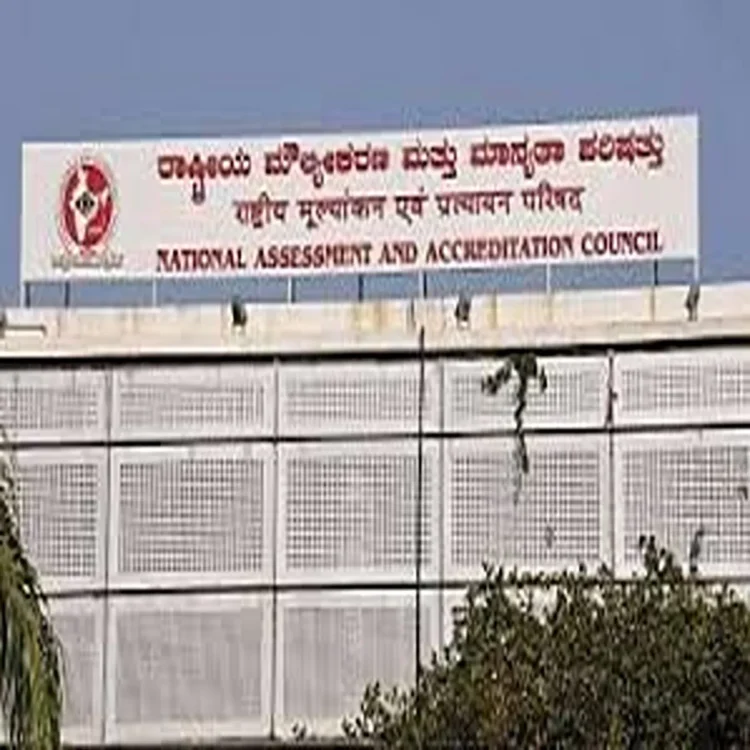
Transition to New Accreditation Framework Slows Process
Senior officials in the education sector have acknowledged the gap, attributing it to the transition toward a redesigned accreditation structure. Authorities had initially planned to roll out the updated system by mid-2025, but the shift has taken longer than expected.
The upcoming framework, proposed under a new legislative initiative, aims to replace the centralized model with a broader system where multiple agencies operate under a national council. This marks a departure from the earlier arrangement, where a single body managed evaluations for institutions nationwide.
Officials explained that extensive consultations with thousands of academic experts were conducted to ensure the new system is comprehensive and reliable. However, the scale of restructuring has contributed to the current delay.
Pending Applications Add to the Backlog
The backlog of applications has also played a significant role in slowing progress. Authorities confirmed that thousands of institutions had applied for accreditation in the current academic cycle. Before implementing the revised system, the decision was taken to clear these pending requests under the existing framework.
In the previous academic year, accreditation was granted to a substantial number of higher education institutions. However, with even more applications received this year, completing evaluations within the planned timeline proved difficult.
Officials indicated that once the pending cases are processed, accreditation under the new system is expected to begin within the next few months.
Corruption Probe Further Disrupts Timeline
Another contributing factor to the delay has been an ongoing investigation into alleged irregularities in the accreditation process. Earlier this year, several individuals associated with the system were arrested over claims of bribery linked to awarding top ratings to a private institution.
The investigation required administrative attention and internal reviews, which further slowed the overall accreditation workflow. Authorities admitted that this development diverted resources and added complexity to an already challenging transition phase.
Accreditation’s Role in Institutional Credibility
Experts note that accreditation plays a critical role in shaping student decisions and institutional reputation. Many private colleges, in particular, highlight their accreditation grades as a key factor in marketing and admissions.
Academic leaders have pointed out that regulatory requirements introduced over the past decade have made accreditation essential for institutions seeking continued funding and recognition. Without updated ratings, both institutions and prospective students face uncertainty.
Limited Coverage Across Institutions
Available data suggests that accreditation coverage in India remains limited even under normal circumstances. Only a fraction of colleges and universities across the country currently hold valid accreditation.
Out of tens of thousands of colleges, less than one-fifth have been assessed and certified. Among universities, the proportion is higher but still does not cover the entire sector. This gap highlights the scale of the challenge facing the new system as it aims to expand coverage and improve transparency.
What Lies Ahead
Education officials remain optimistic that the revamped accreditation model will address longstanding concerns about efficiency and credibility. By involving multiple agencies under a central supervisory body, the new approach is expected to streamline evaluations and reduce bottlenecks.
In the interim, however, institutions will continue to operate without updated accreditation for the current academic year. Stakeholders across the sector are closely watching how quickly the new system can be implemented and whether it can deliver on its promise of a more transparent and effective process.