
Geopolitics – US Signals Rapid Timeline for Iran Military Objectives
Geopolitics – The United States has indicated that its ongoing military campaign against Iran could reach its intended goals within a matter of weeks, not months. Secretary of State Marco Rubio shared this assessment during a recent interview, outlining both the progress of operations and the broader expectations Washington holds for Tehran moving forward.
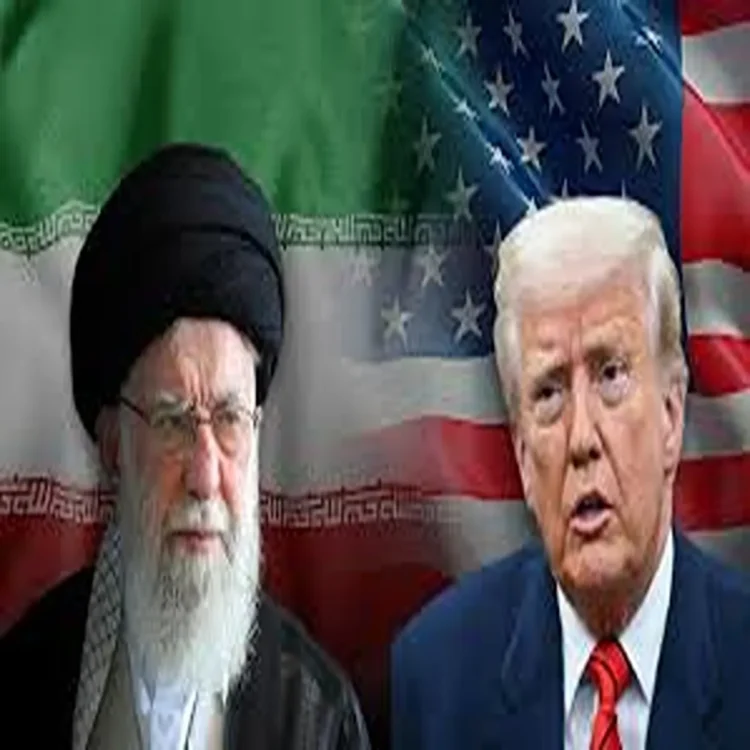
Diplomatic Channels Remain Open Amid Ongoing Operations
Despite continued military activity, communication between the two sides has not completely ceased. Rubio revealed that indirect exchanges are taking place through intermediaries, suggesting that diplomatic engagement is still being explored behind the scenes. These interactions, though limited, indicate that both nations are maintaining some level of contact even as tensions remain high.
Core US Demands on Iran Unchanged
Washington’s position on Iran remains firm. Rubio reiterated that Iran must not develop nuclear weapons under any circumstances. In addition, he emphasized the need for Tehran to end its support for militant groups and halt the development of weapons that could destabilize neighboring countries. These conditions, according to US officials, are essential for any long-term resolution.
Military Progress Ahead of Schedule
According to Rubio, US forces have made significant strides in weakening Iran’s military capabilities. He stated that key components such as Iran’s air force and naval strength have been largely neutralized. Furthermore, there has been a notable reduction in missile-launching systems, which Washington views as a critical step in limiting Iran’s offensive reach.
He expressed confidence that the mission is progressing faster than anticipated, reinforcing the expectation that objectives will be achieved within a relatively short timeframe.
Strait of Hormuz Remains a Key Concern
One of the most sensitive मुद्दों highlighted by Rubio was the Strait of Hormuz, a crucial global shipping route. He warned that any attempt by Iran to assert control over this waterway would not be tolerated. Such a move, he said, would violate international norms and potentially disrupt global trade.
Rubio made it clear that the United States, along with its allies, would ensure the continued openness of the strait. Whether through diplomatic compliance or coordinated international action, he stressed that unrestricted passage would be maintained.
Allegations of Targeting Civil Infrastructure
The US has also accused Iran of striking civilian and economic targets across the region. Rubio pointed to reported attacks on embassies, airports, and energy facilities, describing these actions as highly concerning. He suggested that such incidents underscore the urgency of addressing Iran’s military capabilities.
Iran’s Strategic Position Weakened
Rubio described Iran as being in a significantly weakened state compared to previous years. He argued that current efforts to diminish its military strength are necessary to prevent larger conflicts in the future. According to him, addressing these risks now could help avoid more severe consequences later.
Conditions for Diplomatic Resolution
Looking ahead, Rubio outlined what would be required for diplomacy to take precedence. Iran would need to demonstrate clear and verifiable steps toward abandoning its nuclear ambitions. Additionally, the country would be expected to scale back its missile and drone programs.
He noted that if these conditions are met, there could be an opportunity for improved relations and stability. However, he also acknowledged that Iran has historically resisted such changes.
Strains Within NATO Alliance
Rubio also voiced concerns regarding cooperation within NATO. He pointed out that some allied nations have not fully supported US operational needs, particularly in terms of airspace access and military basing. This, he suggested, raises questions about the current structure of the alliance and may require reassessment in the future.
No Direct Push for Regime Change
While addressing speculation about broader objectives, Rubio clarified that the US is not actively seeking regime change in Iran. However, he added that Washington would not oppose such a development if it were to occur internally.