
Diplomacy – Trump Highlights Role in Global Conflict Resolutions at Summit
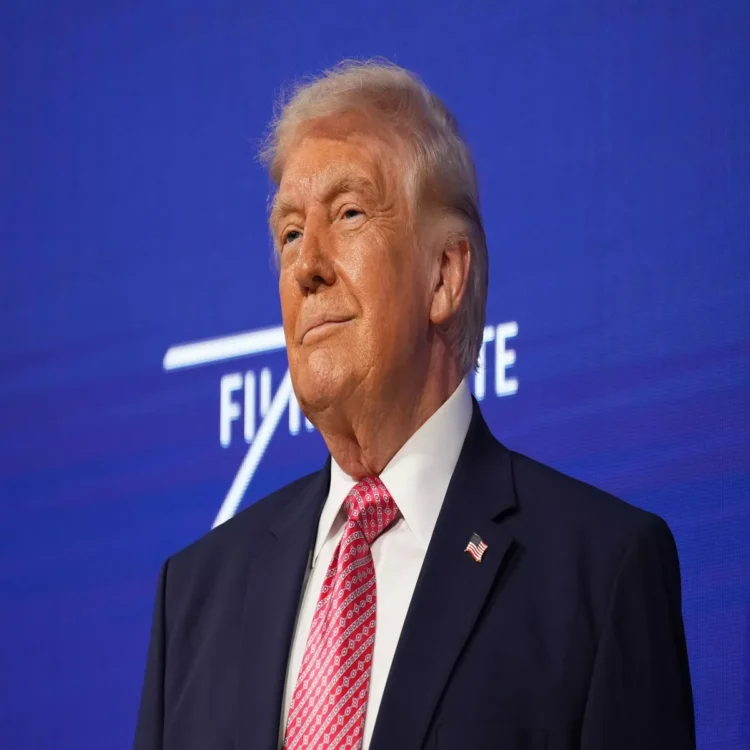
Diplomacy – US President Donald Trump on Tuesday spoke about his foreign policy approach, saying he hopes to be remembered as a leader who contributed to reducing global conflicts. Addressing the Saudi-backed Future Investment Initiative Priority Summit in Miami, Trump claimed that his administration played a role in bringing an end to several international disputes, including tensions between India and Pakistan.
Claims of Mediation in Multiple Conflicts
During his remarks, Trump stated that he had intervened in eight separate conflicts worldwide. He listed regions including Armenia and Azerbaijan, the Democratic Republic of the Congo and Rwanda, Cambodia and Thailand, Egypt and Ethiopia, Serbia and Kosovo, as well as Israel and Hamas. He suggested that diplomatic pressure and economic leverage were key tools used in easing these tensions.
Referring specifically to India and Pakistan, Trump claimed that the situation had escalated significantly before his intervention. According to him, both sides had suffered military losses and were on the brink of prolonged conflict. He said he warned both countries of severe economic consequences, including high tariffs, if hostilities continued. Trump added that this approach helped de-escalate the situation.
Focus on Iran and Maritime Access
Trump also addressed ongoing negotiations with Iran, emphasizing that reopening the Strait of Hormuz would be essential for any agreement. He noted that the waterway plays a crucial role in global oil transportation and said uninterrupted access is necessary for international trade stability.
In a lighter moment, Trump briefly referred to the Strait of Hormuz with a different name before correcting himself, later suggesting the remark was intentional. Despite the humor, he maintained a firm stance on the strategic importance of the region.
Strong Remarks on Iran’s Position
Discussing the Middle East, Trump described Iran as a country that has historically influenced regional instability. However, he argued that recent US military actions, referred to as Operation Epic Fury, had weakened Iran’s leadership and defense capabilities. According to him, these developments had reduced Iran’s influence in the region.
He avoided calling the US actions a war, instead describing them as targeted military operations. Trump also reiterated his belief that these strikes significantly delayed Iran’s nuclear program, claiming it could have advanced rapidly without intervention.
Criticism of NATO
Trump expressed dissatisfaction with the North Atlantic Treaty Organization, stating that the alliance had not provided sufficient support during US operations involving Iran. He questioned NATO’s effectiveness, suggesting that the United States often contributes more than it receives in return.
He added that in the event of a major global crisis, he doubts whether NATO allies would offer the expected level of assistance. His comments reflected ongoing concerns about burden-sharing within the alliance.
Warning on Nuclear Threats
The US President also warned about the potential risks of nuclear weapons development. He claimed that without US action, Iran could have developed nuclear capabilities within a short period. Trump argued that such weapons could pose a threat not only to regional countries but also to global security.
Addressing the audience at the summit, he emphasized the importance of maintaining pressure to prevent nuclear proliferation and ensure long-term stability.
Brief Mention of Cuba
Toward the end of his speech, Trump hinted at possible future actions involving Cuba. Although he initially suggested the comment should be disregarded, he repeated it, drawing attention to the statement without providing further details.
The remark, though brief, indicated that US foreign policy discussions may extend beyond current areas of focus.
Trump’s speech highlighted his perspective on international diplomacy, economic leverage, and military strategy. While some of his claims may invite debate, his remarks underscored the continuing importance of global cooperation and conflict resolution in shaping international relations.