
Geopolitics – Trump Delays Iran Strike Deadline as Talks Show Progress
Geopolitics – The United States has decided to postpone a planned escalation targeting Iran’s energy infrastructure, signaling a possible shift toward diplomacy amid ongoing tensions. President Donald Trump announced that the deadline for potential strikes has been extended to April 6, following what he described as a request from Iranian authorities and encouraging developments in negotiations.
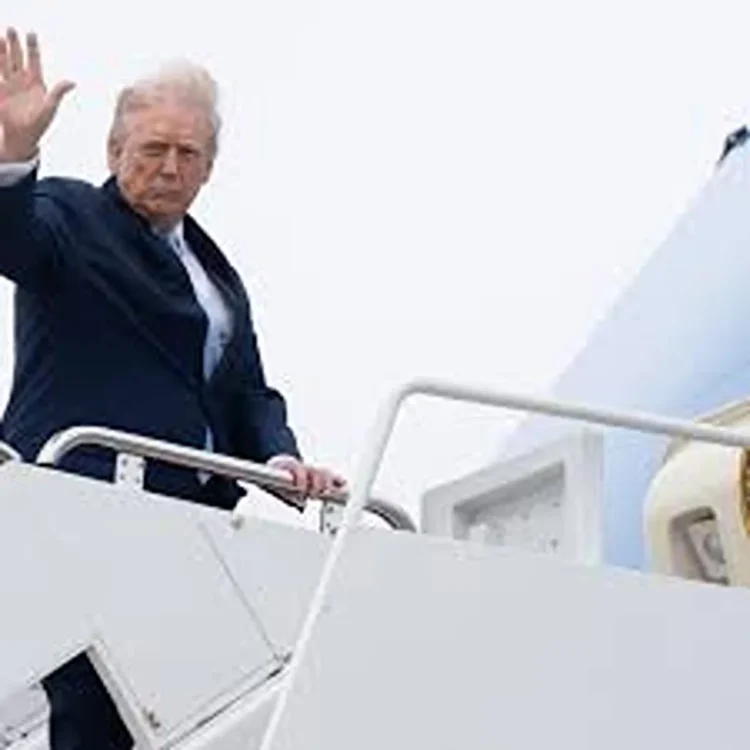
Deadline Extension Signals Diplomatic Window
Originally, Washington had issued a strict ultimatum to Tehran, demanding that it reopen the strategically vital Strait of Hormuz to oil shipments within 48 hours. Failure to comply would have triggered attacks on Iran’s energy facilities. However, the deadline has now been extended multiple times, with the latest pause granting an additional 10 days for dialogue.
According to the US administration, this decision reflects progress in behind-the-scenes discussions. Trump emphasized that negotiations are moving forward positively, countering reports suggesting otherwise.
Backchannel Talks and Proposed Framework
US officials confirmed that a structured proposal has been shared with Iran through intermediaries. The plan reportedly includes a series of conditions aimed at reducing hostilities and restoring stability in the region. American envoy Steve Witkoff indicated there are clear signs that Tehran is open to discussions, raising cautious optimism in Washington.
Iranian sources also acknowledged that a formal response to the US proposal has been delivered. However, the terms reportedly include significant demands, such as halting military actions by both the United States and Israel, financial compensation for damages, and recognition of Iran’s authority over the Strait of Hormuz.
Conflict Continues Despite Diplomatic Efforts
Even as negotiations progress, military activity in the region remains intense. The conflict, now entering its fourth week, began with coordinated airstrikes by US and Israeli forces on Iranian targets. In response, Iran has launched drones and missiles across key locations in the Gulf, effectively disrupting maritime traffic and driving up global oil prices.
Recent developments suggest that Iran has allowed limited passage for oil tankers through the Strait, a move interpreted by Washington as a goodwill gesture. However, uncertainty persists over whether these steps will translate into a lasting agreement.
Rising Regional Tensions and Civilian Impact
The broader region continues to experience the fallout of the conflict. Reports indicate fresh airstrikes across multiple Iranian cities, including key industrial and port areas. In addition, violence has spilled into neighboring countries, with missile debris causing casualties and drone activity reported across several Gulf nations.
Lebanon has also raised concerns after strikes targeted areas near its capital, prompting officials to prepare a formal complaint to the United Nations. Meanwhile, Israel is reportedly expanding its military presence in southern Lebanon, citing security concerns linked to militant activity.
Internal Pressure Mounts in Israel
Within Israel, the prolonged conflict is drawing increasing scrutiny. Opposition leaders have raised concerns about the strain on military resources and the lack of a clear long-term strategy. Senior officials have warned that ongoing multi-front operations could stretch the armed forces beyond sustainable limits.
Military representatives have acknowledged the need for additional personnel, particularly in areas facing heightened security threats. This reflects the growing complexity of the conflict, which now involves multiple regions and actors.
Uncertain Path Ahead
While diplomatic channels remain open, the situation continues to balance between negotiation and escalation. The extension of the US deadline offers a temporary opportunity for dialogue, but significant differences between the two sides remain unresolved.
With both military operations and diplomatic efforts unfolding simultaneously, the coming days are expected to be critical in determining whether the conflict moves toward de-escalation or further intensifies.