
Election – Legal Challenge Filed Against EC Officer Transfers in Bengal Polls
Election – A fresh legal dispute has emerged in West Bengal ahead of the upcoming assembly elections, with a senior political leader questioning the recent transfer of top bureaucrats by the Election Commission. The matter has now reached the Calcutta High Court, drawing attention to the procedures followed during election-related administrative changes.
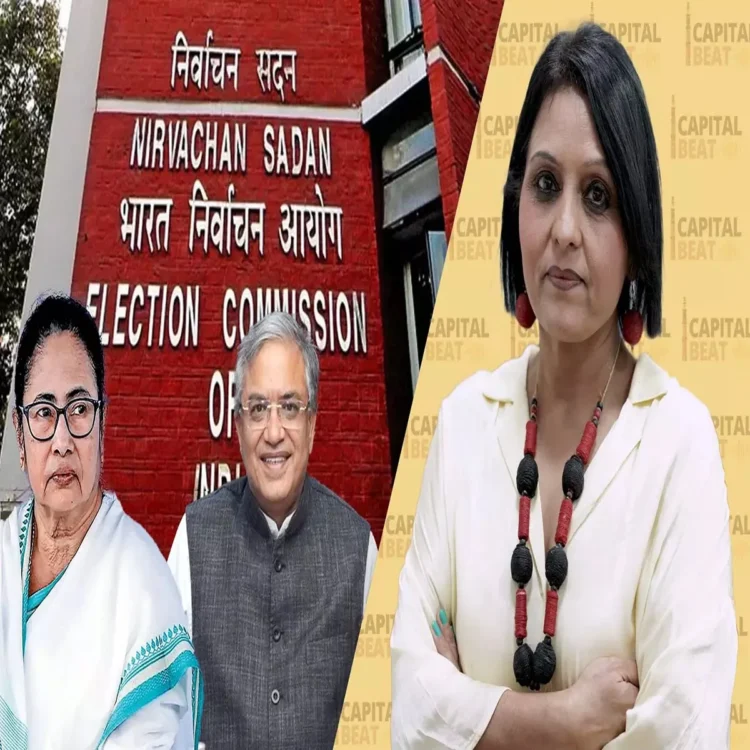
Petition Challenges Sudden Administrative Changes
Trinamool Congress MP and senior advocate Kalyan Banerjee filed a petition on Friday raising concerns over the Election Commission’s decision to transfer several senior IAS and IPS officers in the state. The plea argues that the reshuffle was carried out without consulting the West Bengal government, which, according to the petitioner, raises questions about procedural fairness.
The petition also names Chief Election Commissioner Gyanesh Kumar as a respondent in the case, indicating the seriousness of the challenge. Banerjee has urged the court to examine whether the Commission’s actions align with established administrative norms during election periods.
Court Asked for Urgent Hearing
The matter was mentioned before a division bench headed by Chief Justice Sujoy Paul. During the mention, the petitioner’s counsel requested an expedited hearing, citing the proximity of the assembly elections and the immediate impact of the transfers on governance.
According to legal sources familiar with the proceedings, the High Court is expected to take up the case early next week. The urgency stems from the fact that election-related administrative decisions can significantly influence the conduct of polls.
Large-Scale Transfers After Poll Announcement
The controversy follows a sweeping transfer order issued by the Election Commission shortly after announcing the assembly election schedule on March 15. Several high-ranking officials were replaced within hours, including the state’s chief secretary, home secretary, and director general of police.
Such decisions are typically taken to ensure neutrality and smooth conduct of elections. However, the petitioner contends that bypassing consultation with the state government may undermine cooperative federal principles.
Election Schedule and Political Context
West Bengal is set to vote for its 294-member legislative assembly in two phases. Polling is scheduled for April 23 and April 29, with counting of votes slated for May 4. The state is expected to witness a closely contested election, making administrative decisions even more significant.
Election Commission guidelines often allow for transfers of key officials to prevent any perceived bias during elections. However, disputes over the extent of the Commission’s authority and the role of state governments are not uncommon, especially in politically sensitive environments.
Legal and Constitutional Questions Ahead
The case is likely to bring into focus the balance of power between the Election Commission and state administrations. While the Commission is vested with authority to ensure free and fair elections, questions around procedural transparency and consultation may be examined by the court.
Legal experts suggest that the outcome of this case could set an important precedent for future elections, particularly regarding how administrative reshuffles are handled in states heading into polls.
As the hearing approaches, all eyes will be on the Calcutta High Court’s interpretation of the issue and whether any interim relief is granted