
Politics – Minister Accuses Palaniswami of Misleading Claims on Law and Order
Politics – The ongoing political exchange between ruling and opposition leaders in Tamil Nadu has intensified, with fresh allegations and counter-allegations shaping the public discourse ahead of elections.
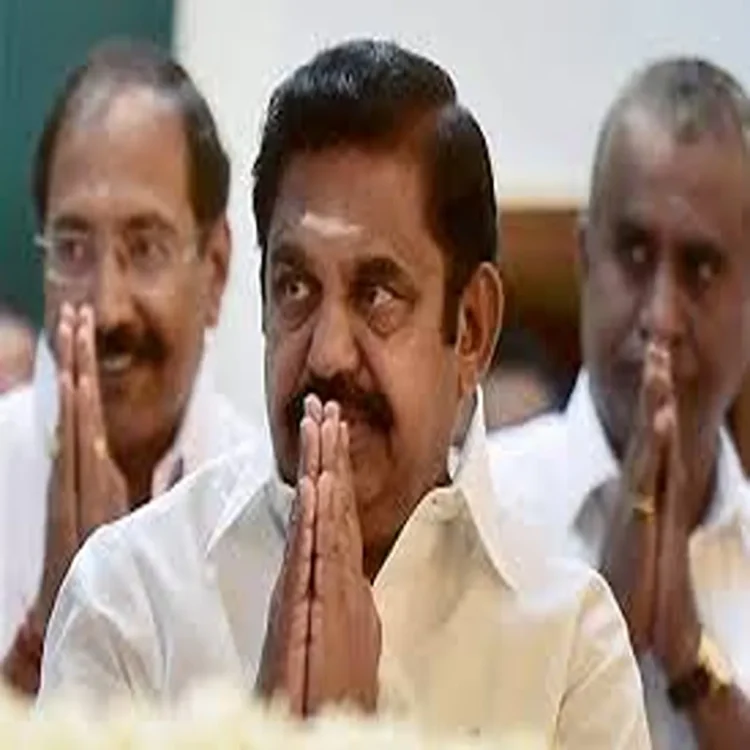
The state’s minister in charge of courts and prisons, S Regupathy, on Tuesday responded sharply to remarks made by AIADMK general secretary Edappadi K Palaniswami regarding the law and order situation. Regupathy dismissed the opposition leader’s claims as baseless and politically motivated, suggesting they stem from internal challenges within the AIADMK.
Allegations Linked to Political Setbacks
According to the minister, Palaniswami’s criticism of the DMK government reflects frustration over unsuccessful alliance efforts ahead of the upcoming elections. He pointed out that the AIADMK leadership had anticipated broader political support, which has not materialised as expected.
Regupathy argued that the opposition’s alliance plans appear uncertain, creating instability within the party. He added that such circumstances have led Palaniswami to shift focus toward criticising the government rather than addressing issues within his own party.
Questions Over Public Trust and Party Stability
The minister further claimed that the AIADMK is currently facing internal disarray, with leadership struggling to maintain cohesion. He suggested that public confidence in the party’s policies has weakened, which is contributing to its current political position.
In his remarks, Regupathy indicated that Palaniswami’s statements are aimed at safeguarding his leadership role rather than presenting a constructive critique of governance. He emphasised that political accountability requires consistency, which he alleged is lacking in the opposition’s approach.
Comparison of Law and Order Records
Addressing the core issue raised by Palaniswami, the minister defended the DMK government’s handling of law and order. He questioned whether the opposition leader had reflected on crime statistics during the AIADMK’s tenure, particularly incidents of serious crimes.
Regupathy maintained that the current administration has taken steps to strengthen safety and maintain stability across the state. He asserted that, compared to the previous regime, the present government has ensured better enforcement and a more secure environment for citizens.
Focus on Women Voters and Political Messaging
The minister also referred to emerging reports suggesting strong support for the ruling party among women voters. He stated that a significant portion of women are expected to back the DMK, which, according to him, has prompted political reactions from both the AIADMK and the BJP.
He accused opposition parties of attempting to influence voter perception through what he described as “political drama,” particularly in matters that could impact women’s voting choices. Regupathy stressed that issues concerning public welfare and safety should not be politicised.
Criticism Over Silence on National Issues
In addition to state-level concerns, the minister questioned Palaniswami’s stance on national issues. He specifically pointed to disruptions in LPG cylinder supply, alleging that the opposition leader has avoided criticising the BJP-led Union government on this matter.
Regupathy suggested that selective criticism undermines the credibility of the opposition and raises questions about its priorities. He called for a more balanced approach in addressing both state and national concerns.
Political Tensions Likely to Continue
With elections approaching, the exchange highlights the growing intensity of political debate in Tamil Nadu. Both ruling and opposition parties are expected to sharpen their messaging as they seek to influence voters across key segments.
While the DMK government continues to defend its record, the opposition is likely to maintain pressure by raising governance-related concerns. The coming weeks may see further developments as political alliances and campaign strategies take clearer shape.