
Conflict – Senior Iranian Security Official Ali Larijani Killed in Strike
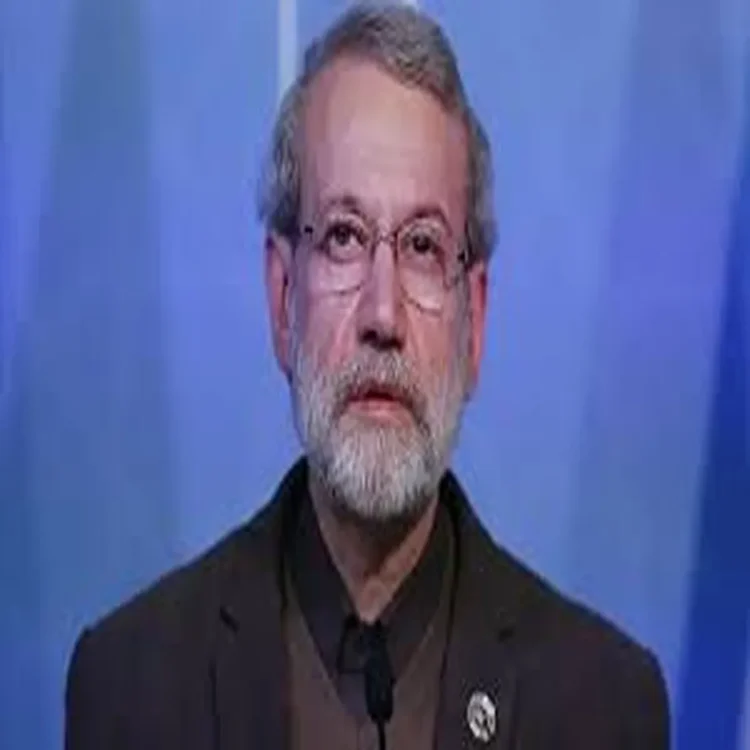
Conflict – Iran’s Supreme National Security Council has confirmed the death of its secretary, Ali Larijani, following a deadly attack earlier this week. According to Iranian state-affiliated Tasnim news agency, Larijani was killed early Tuesday along with his son, Morteza Larijani, and several senior officials, marking a significant development amid rising regional hostilities.
Details of the Attack and Casualties
In an official statement, the council reported that the strike also claimed the lives of Alireza Bayat, who served as deputy for security affairs at the council’s secretariat, along with several others present at the site. The timing and precise location of the attack were not disclosed, but authorities indicated it was part of a broader wave of ongoing military actions targeting Iranian leadership figures.
The council described Larijani as a key contributor to Iran’s political and strategic framework, highlighting his decades of service in shaping national security policies. Officials urged citizens to remain united, emphasizing resilience in the face of what they termed external aggression.
Israeli Claim and Escalating Hostilities
Shortly after reports of the incident emerged, Israeli Prime Minister Benjamin Netanyahu publicly stated that Israel was responsible for the strike that killed Larijani. His remarks came as Israel continues a series of coordinated military operations against Iranian targets.
The situation has intensified since late February, when joint strikes by the United States and Israel targeted multiple sites within Iran. These actions have triggered a cycle of retaliation, with Iran and its regional allies launching attacks against Israeli and American interests across the Middle East.
Additional Losses Confirmed by Iranian Forces
In a separate development, Iran’s Islamic Revolutionary Guard Corps confirmed the death of Gholamreza Soleimani, the head of the Basij volunteer force. According to Iranian sources, he was killed in a joint US-Israeli strike, further underscoring the scale of recent losses among Iran’s military and security leadership.
The Basij force, known for its role in internal security and mobilization, has long been considered a critical component of Iran’s defense structure. The death of its commander is likely to have operational and symbolic implications for the country’s military posture.
Diplomatic Channels and Denials
Amid the growing conflict, Iran’s Foreign Minister Seyed Abbas Araghchi has firmly denied reports suggesting renewed diplomatic engagement with the United States. Specifically, he rejected claims of any recent contact with Steve Witkoff, a special envoy linked to former US President Donald Trump.
At the same time, Western media outlets have reported that Iran’s leadership declined proposals aimed at reducing tensions or negotiating a ceasefire. These reports suggest that attempts at de-escalation have so far failed to gain traction, leaving the region on edge.
New Missile Deployment Signals Strategic Shift
In response to the ongoing conflict, Iran’s Revolutionary Guard announced the use of a new ballistic missile named “Haj Qasem.” The missile, described as precision-guided, was reportedly deployed for the first time in strikes targeting Israel.
Named after Qassem Soleimani, a prominent Iranian commander killed in 2020, the missile symbolizes both technological advancement and a continuation of Iran’s strategic messaging. Officials indicated that the weapon is designed to enhance accuracy and effectiveness in long-range operations.
A Region Facing Uncertainty
The recent developments highlight a rapidly evolving security landscape in the Middle East. With high-profile casualties on both sides and continued military exchanges, concerns are mounting over the potential for further escalation.
Analysts note that the absence of active diplomatic engagement, combined with increasing military activity, could deepen instability across the region. For now, both sides appear committed to their current strategies, leaving little room for immediate resolution.