
Trump – US Military Strikes Intensify Pressure on Iran Amid Rising Tensions
Trump – The United States has intensified military operations targeting Iran, with President Donald Trump stating that recent strikes have dealt significant damage to Iranian military capabilities. Speaking briefly to reporters at Joint Base Andrews on Friday, Trump said American forces had achieved major operational successes as the conflict across the Middle East continued to escalate.
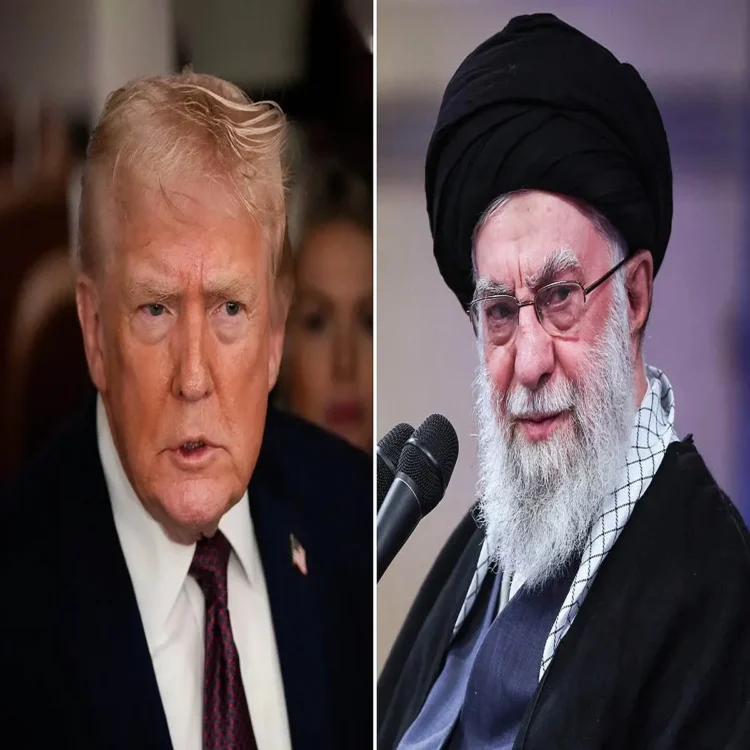
President Describes Military Operations as Successful
Addressing the media, Trump said the ongoing campaign was progressing effectively and that U.S. forces had achieved several decisive military outcomes during the day. According to the president, the situation on the ground reflected strong control by American forces and indicated that the operation was moving forward as planned.
He suggested that multiple strikes carried out by U.S. forces had weakened Iran’s military infrastructure. Trump also indicated that the United States currently holds a dominant strategic position in the conflict.
Focus on Eliminating Nuclear Threat
Trump emphasized that the primary objective of the military action was to remove what he described as a nuclear threat linked to Iran. He said the United States viewed the operation as necessary to prevent the spread of nuclear risk across the Middle East and beyond.
According to the president, the campaign is aimed at ensuring long-term security and stability by dismantling capabilities that could contribute to nuclear development. He expressed confidence that the military effort would ultimately neutralize that threat.
Claims of Severe Damage to Iranian Forces
During his remarks, Trump asserted that Iranian military assets had been significantly weakened as a result of the strikes. He claimed that key branches of Iran’s armed forces had suffered substantial losses.
The president also stated that Iranian air defense systems and radar networks had been largely disabled during the operation. According to him, these developments have limited Iran’s ability to respond effectively to further aerial strikes.
Timeline for Conflict Remains Unclear
When asked how long the military campaign might continue, Trump did not provide a specific timeline. He said the operation would continue for as long as necessary to achieve its objectives.
However, he suggested that progress had been faster than initially expected. While declining to offer detailed projections, the president indicated that U.S. forces were currently operating ahead of the original schedule for the campaign.
Possible Impact on Global Energy Markets
The escalation in the region has raised concerns about potential disruption to global energy supplies. In his remarks, Trump acknowledged that the conflict could influence energy markets but predicted that prices would eventually stabilize.
He suggested that once the situation calms, gasoline and energy prices could decline significantly. According to the president, the end of the conflict could bring broader relief to energy markets affected by geopolitical tensions.
Diplomatic Contacts With Global Leaders
Trump also confirmed that he had spoken with Chinese President Xi Jinping about the evolving situation in the Middle East. While he did not disclose details of the conversation, he said discussions included several issues related to the conflict as well as other international matters.
In addition, he acknowledged communication with Israeli leadership during the crisis. When asked about coordination with Israeli Prime Minister Benjamin Netanyahu, Trump suggested that while the two countries remain partners, their strategic priorities may not always be identical.
Strategic Waterways Draw Global Attention
The developments come amid growing international concern about stability in the Gulf region. Particular attention has focused on the Strait of Hormuz, a narrow but strategically important maritime route through which a significant portion of the world’s oil supply is transported.
Any disruption in this waterway could have major implications for global trade and energy markets. Analysts say continued military activity in the region has heightened concerns about shipping security and the broader economic impact.