
BorderConflict – Afghanistan Claims 55 Pakistani Soldiers Killed in Clashes
BorderConflict – Afghanistan’s Ministry of National Defence on Thursday announced that 55 Pakistani soldiers were killed during retaliatory military operations carried out along the disputed Durand Line border.
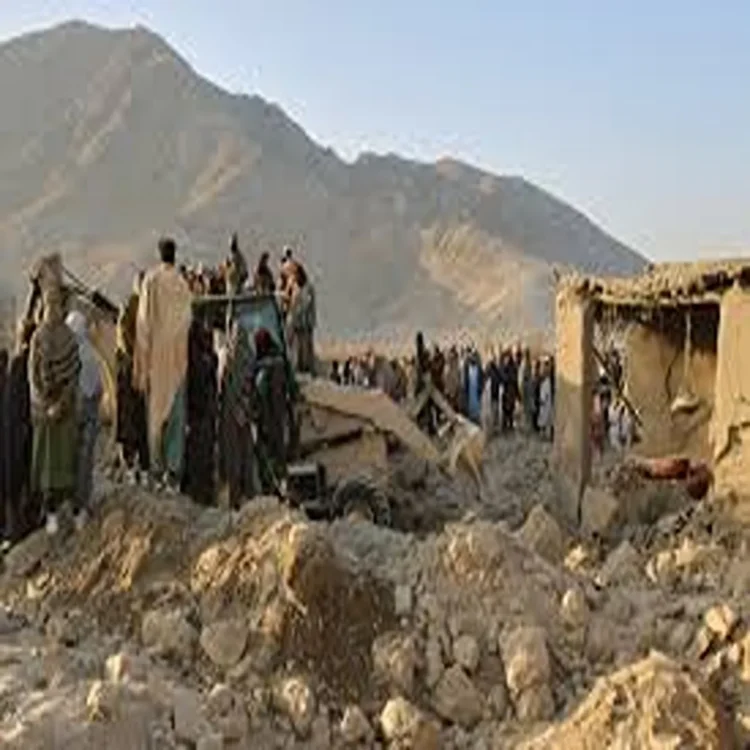
The 2,611-kilometer frontier separating the two countries has long been a source of friction. Known as the Durand Line, the boundary has never received formal recognition from Kabul, contributing to recurring tensions between the neighboring states.
Kabul Cites Cross-Border Violation
In an official statement, the Afghan defence ministry said the operation began at 8:00 PM on the 9th of Ramadan, corresponding to February 26. The move, it said, was in response to what it described as a breach of Afghan territory by Pakistani military forces earlier in the week.
According to the ministry, Pakistani forces had crossed into Afghan territory, resulting in the deaths of women and children. It described the action as a serious violation of sovereignty and pledged a firm response.
Military Targets Along Eastern Border
Afghan authorities stated that their forces struck Pakistani military installations in eastern and southeastern sectors along the border. The operations were concentrated near the provinces of Paktika, Paktia, Khost, Nangarhar, Kunar and Nuristan.
The ministry reported that the four-hour engagement led to the capture of two military bases and 19 border posts. It also claimed that personnel at four additional posts abandoned their positions during the fighting.
Officials further stated that an armoured tank was destroyed and a large military transport vehicle was seized. Afghan forces reportedly took control of a significant cache of light and heavy weapons, ammunition and other military equipment during the operation.
Casualties and Civilian Impact
While detailing its claims of Pakistani losses, the Afghan defence ministry acknowledged casualties on its own side. Eight Afghan fighters were killed and 11 others sustained injuries during the exchange.
The statement also alleged that 13 civilians were wounded in a missile strike targeting a refugee camp in Nangarhar province. Afghan officials attributed the attack to Pakistani forces, though no independent verification of the claim was immediately available.
Pakistan Launches Counter-Operation
In response, Pakistan initiated a separate military action named “Ghazab Lil Haq,” targeting what it described as Afghan Taliban positions, according to local media reports.
Prime Minister’s spokesperson Mosharraf Zaidi stated that 133 Afghan Taliban fighters had been killed and more than 200 injured in the operation. Pakistani media outlets further reported that security forces destroyed 27 Taliban posts and took control of nine others.
Pakistani forces reportedly conducted operations across several border districts, including Chitral, Khyber, Mohmand, Kurram and Bajaur. Officials said the actions were part of efforts to secure border areas and respond to cross-border threats.
Airstrike Allegations Surface
Earlier, Taliban spokesperson Zabihullah Mujahid accused the Pakistani military of carrying out airstrikes in parts of Kabul, Kandahar and Paktia. In a statement posted on the social media platform X, Mujahid said the strikes did not result in casualties.
Pakistani authorities have not publicly confirmed those specific airstrike claims.
Longstanding Border Dispute
The Durand Line has remained a contentious issue for decades. Afghanistan has historically rejected the colonial-era boundary drawn in 1893, arguing that it divided ethnic Pashtun communities. Pakistan, however, considers it an internationally recognised border.
Periodic skirmishes, artillery exchanges and allegations of cross-border incursions have marked relations between the two countries in recent years. The latest escalation underscores the fragile security environment along the frontier, where militant activity and political tensions often intersect.
Independent confirmation of casualty figures from either side has not yet been made available. Observers note that information emerging during active conflict can be difficult to verify.
As both countries exchange accusations and military responses, regional stability remains a growing concern, with calls likely to intensify for diplomatic engagement to prevent further escalation.