
AirPollution – Delhi Records Poor AQI Amid Unseasonal February Warmth
AirPollution – The national capital continued to grapple with poor air quality even as temperatures climbed well above typical February levels.
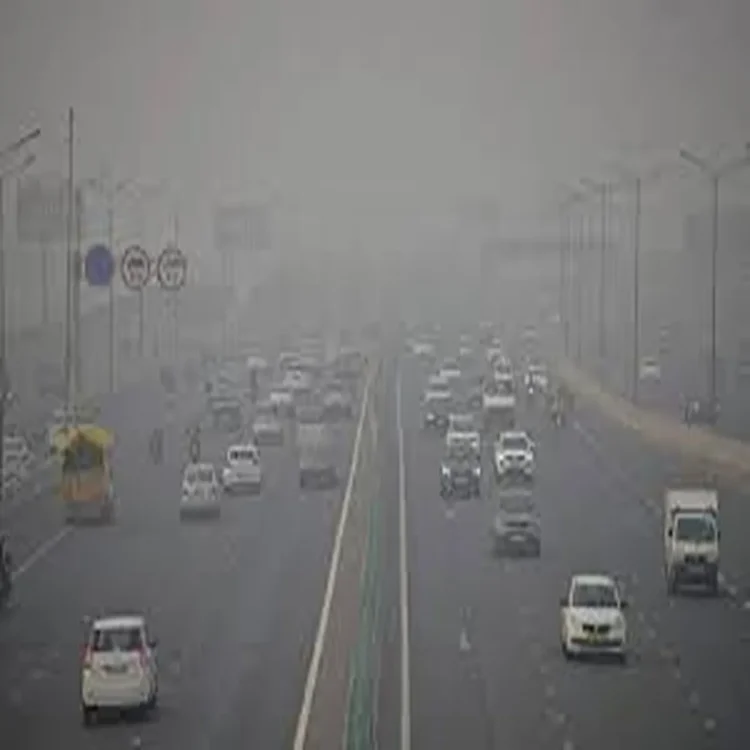
Delhi woke up to a cool yet hazy Friday morning, with the Air Quality Index remaining in the “poor” range across several parts of the city. While clear skies and a gentle breeze offered some relief, pollution levels persisted as a major concern for residents.
AQI Remains Elevated Across Key Areas
Data released by the Central Pollution Control Board showed notable variation in pollution readings across different monitoring stations. In east Delhi’s Anand Vihar, the AQI touched 280, placing it firmly in the poor category. North Campus recorded 258, followed by Wazirpur at 238 and Jahangirpuri at 230. Dwarka Sector-8 and Mundka also reported elevated levels at 228 and 219, respectively.
Other localities, including R K Puram (218), Bawana (213), Chandni Chowk (203), Ashok Vihar (192), Narela (184), and Sonia Vihar (178), ranged between moderate and poor categories. In contrast, relatively improved air quality was observed in areas such as DTU (145), IIT Delhi (147), Mandir Marg (138), and Pusa (136), where readings remained within the moderate bracket.
Environmental experts note that early morning hours often see pollution concentrations intensify due to lower wind speeds and temperature inversion, which trap pollutants closer to the ground.
Health Advisory for Vulnerable Groups
Medical professionals have urged caution, particularly for children, senior citizens, and individuals with respiratory or cardiac conditions. Doctors recommend limiting outdoor exercise and prolonged exposure during the early hours of the day when mist and pollutants tend to linger.
Residents have also been advised to keep windows closed during peak pollution periods and consider protective measures if stepping outside for extended durations. Authorities continue to monitor conditions closely as fluctuating weather patterns influence air quality levels.
Unusually Warm Days for February
Despite the mild chill in the morning, daytime temperatures have been rising steadily, giving the city an early taste of summer. On Thursday, Delhi recorded a maximum temperature of 30.2 degrees Celsius, significantly above the seasonal average. The minimum temperature stood at 12.6 degrees Celsius.
The warmth during afternoon hours has been pronounced, with many residents reporting discomfort under direct sunlight. However, evenings and early mornings still retain a light nip in the air, creating a sharp contrast within the same day. A steady but light breeze has helped temper the heat slightly, though it has not been sufficient to bring down pollution levels substantially.
IMD Forecast Points to Stable Conditions
According to the India Meteorological Department, largely clear skies are expected to persist over Delhi and the surrounding National Capital Region in the coming days. No major fluctuation in temperatures is anticipated in the immediate forecast.
Between February 28 and March 4, maximum temperatures are projected to range from 31 to 33 degrees Celsius, while minimum readings may hover between 15 and 16 degrees Celsius. The forecast suggests that the current pattern of warm afternoons and relatively cool mornings is likely to continue.
Western Disturbances to Affect Himalayan Region
The weather office has also indicated the possibility of two weak western disturbances impacting the western Himalayan belt. These systems are expected to bring light rain and snowfall between February 26 and 28, and again from March 2 to 3.
Hill states such as Himachal Pradesh, Uttarakhand, and Jammu & Kashmir may experience increased cloud cover, with light precipitation in higher-altitude areas. While these disturbances are not expected to significantly alter Delhi’s weather, they could influence regional wind patterns.
For now, the capital remains caught between rising temperatures and persistent air pollution, underscoring the complex interplay between seasonal transition and environmental challenges.