
Budget – BJP Criticises Tamil Nadu Interim Financial Plan
Budget – The political temperature in Tamil Nadu rose sharply after the presentation of the state’s Interim Budget for 2026-27, with the Bharatiya Janata Party launching a strong attack on the ruling Dravida Munnetra Kazhagam government.
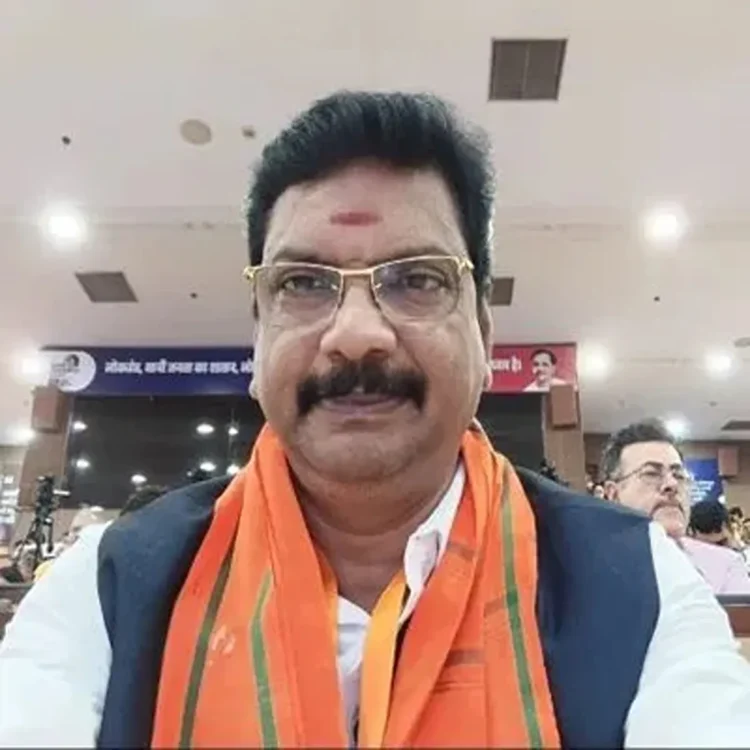
BJP Questions Budget Priorities
A N S Prasad, a spokesperson for the BJP in Tamil Nadu, accused the DMK administration of steering the state in the wrong direction by failing to outline concrete development plans. According to him, the budget does not present structured initiatives in crucial areas such as finance, industry, economic expansion, or public welfare.
Prasad argued that while the government has projected robust economic growth, the benefits have not reached ordinary citizens. He alleged that the gains have largely favored those within the ruling party’s political structure, including elected representatives and senior functionaries.
Allegations of Unfulfilled Promises
Referring to the leadership of Chief Minister M. K. Stalin and Finance Minister Thangam Thennarasu, the BJP leader said the administration must acknowledge what he described as ground realities. He characterised the interim budget as disconnected from public expectations and claimed it offered little reassurance to citizens facing economic pressure.
Prasad further alleged that commitments made during the previous Assembly elections have not been fulfilled. He pointed to protests staged over the past several years by teachers, medical professionals, engineers, farmers, nurses, road workers, anganwadi staff and representatives of various welfare groups. According to him, these concerns remain largely unresolved as the government approaches the end of its current term.
Concerns Over Sectoral Allocations
The BJP spokesperson also questioned the absence of clarity on certain projects and sectoral allocations. He asked why there was no detailed update on initiatives such as the North Chennai Development Project and sought transparency regarding funds earmarked for environmental efforts, including the restoration of the Cooum River in Chennai.
On agriculture, Prasad contended that farmers expected more focused relief and development measures in the budget. He claimed that the document lacked targeted interventions that could significantly improve rural livelihoods or address mounting challenges faced by cultivators.
In a broader criticism of the government’s policy framework, he questioned whether welfare schemes and financial assistance programs were being implemented with long-term sustainability in mind. He argued that the state administration must ensure transparency and equitable growth rather than relying on short-term relief measures.
State Government Cites Fiscal Constraints
Earlier in the Assembly, Finance Minister Thangam Thennarasu defended the interim budget while outlining what he described as significant fiscal pressures on the state. He stated that Tamil Nadu is confronting exceptional financial strain during the current year.
According to the minister, several actions by the Union Government have compounded the state’s challenges. He alleged that approvals for major infrastructure projects had been delayed or denied and that funds under Centrally Sponsored Schemes were withheld. He also said tax revenue devolution had been reduced and certain expenditure conditions imposed, placing additional pressure on the state’s finances.
Thennarasu maintained that while disputes between the Centre and states are not new in India’s federal structure, the magnitude of constraints faced this year is unusual. He asserted that despite these hurdles, the government remains committed to maintaining welfare schemes and continuing development initiatives.
Political Debate Intensifies Ahead of Elections
The sharp exchange over the interim budget underscores the growing political contest in Tamil Nadu ahead of future electoral battles. With the DMK defending its economic management and the BJP challenging its fiscal priorities, the budget has become a focal point for broader debates about governance, welfare delivery and economic growth in the state.
As discussions continue both inside and outside the Assembly, the coming months are likely to see further scrutiny of the government’s financial decisions and policy direction.