
NuclearTalks – Trump Signals Indirect Role in Iran Diplomacy
NuclearTalks – President Donald Trump has indicated he will play an indirect part as American and Iranian representatives prepare for fresh discussions in Geneva, voicing cautious optimism while making clear that Washington expects results.
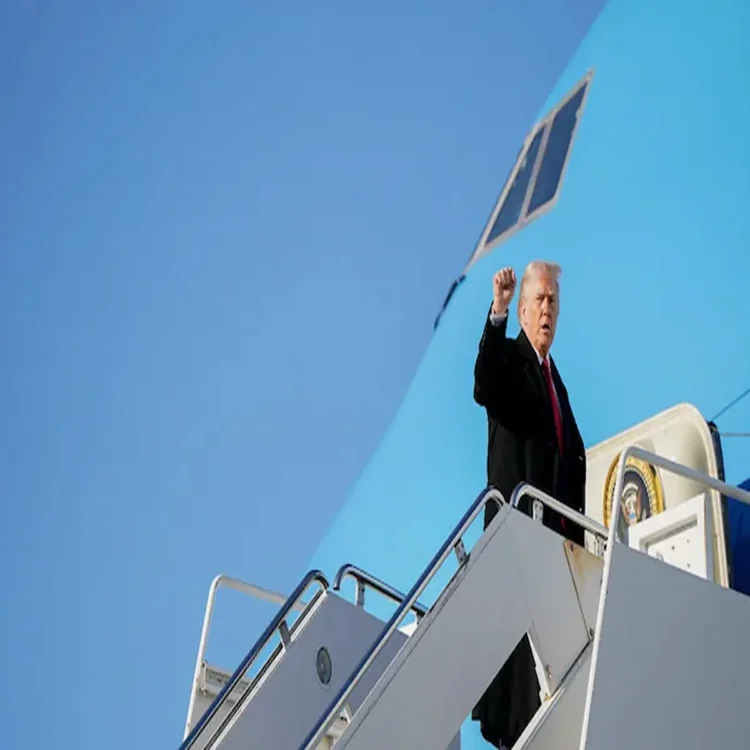
Speaking to reporters aboard Air Force One during a return flight from Florida, Trump described Iran as a seasoned and often uncompromising negotiating partner. Even so, he said he believes Tehran is motivated to reach an agreement and understands the risks of failing to do so. According to the president, Iranian leaders are aware that avoiding a deal could carry significant consequences.
Renewed Focus on Nuclear Discussions
The upcoming Geneva meeting marks another attempt by Washington and Tehran to address long-standing concerns over Iran’s nuclear activities and its broader role in the Middle East. Tensions between the two nations have fluctuated in recent years, with periods of diplomatic engagement followed by renewed sanctions and military posturing.
Trump referenced recent US military actions and reiterated his administration’s position that Iran had been approaching a critical point in its nuclear development. He argued that intervention had prevented what he described as an imminent shift in the strategic balance. The talks in Switzerland are expected to center on curbing nuclear capabilities, easing regional friction, and exploring whether a more durable framework can be achieved.
Economic Performance and Energy Prices
Turning to domestic matters, Trump highlighted economic indicators he described as encouraging. He pointed to easing inflation and declining fuel costs as evidence that his energy policies are having an impact. According to the president, lower gasoline prices have contributed to broader price stability across several sectors of the economy.
Trump credited expanded domestic energy production for helping to reduce costs, arguing that affordable oil and gas tend to influence transportation and manufacturing expenses nationwide. He contrasted current economic conditions with those under the previous administration, stating that his government inherited economic challenges but has since restored momentum.
Crime Statistics and Border Enforcement
The president also addressed public safety, claiming that homicide rates have fallen to levels not seen in more than a century. While official crime data for the current year has yet to be fully consolidated, Trump asserted that stricter enforcement measures have contributed to the trend.
He emphasized border control efforts, saying thousands of individuals identified as criminals had been deported. Trump maintained that tougher immigration policies have strengthened national security and reduced crime in several major cities.
Political Disputes in Washington
On Capitol Hill, negotiations over funding for the Department of Homeland Security remain contentious. Trump said he plans to meet with Democratic lawmakers to discuss the issue but accused the opposition party of being responsible for any potential government shutdown tied to the funding debate.
The president also criticized Democratic positions on election laws, reiterating his support for voter identification requirements and proof of citizenship measures. These proposals remain a divisive issue in Congress and among state governments.
Responses to International and Domestic Questions
When asked about past associations with financier Jeffrey Epstein, Trump stated he had been cleared of wrongdoing and denied any involvement. The matter continues to draw public interest despite previous investigations.
In foreign affairs beyond Iran, Trump commented on Cuba, describing the island nation as facing severe economic and humanitarian challenges. He said discussions are ongoing, including conversations led by Secretary of State Marco Rubio, aimed at exploring possible agreements.
Addressing Asia-Pacific security, Trump referenced a recent conversation with Chinese President Xi Jinping regarding Taiwan. He indicated that decisions about potential arms support would be made after further review.
Broader Global Context
The Geneva talks unfold at a time when the United States remains engaged in multiple international crises, including the war in Ukraine and ongoing instability across parts of the Middle East. Energy markets, defense partnerships, and nuclear non-proliferation continue to shape US foreign policy priorities.
Trump also mentioned cooperation with the United Nations on a proposed international initiative he described as potentially far-reaching, though he offered limited details. In closing remarks, he praised First Lady Melania Trump for her public service work, expressing confidence that her contributions would be recognized historically.
As diplomats gather in Geneva, expectations remain measured. Previous rounds of dialogue between Washington and Tehran have produced temporary understandings but have also faltered under political pressure and mutual distrust. Whether this latest effort can achieve lasting progress remains uncertain, but both sides appear to acknowledge the high stakes involved.