
Weather Update: Winter Weather Alert Across Northern India Brings Snowfall, Cold Waves, and Travel Challenges
Weather Update: The India Meteorological Department has issued fresh updates indicating significant winter activity across several northern and hilly regions of India. Continuous changes in weather patterns are leading to snowfall in mountainous areas and severe cold conditions in the plains. While the drop in temperature has increased discomfort for daily life and transportation, it has also drawn a large number of tourists to popular hill destinations. Authorities have advised people to stay alert, follow safety guidelines, and plan travel carefully during this period.
Snowfall Forecast in Northern Hill States
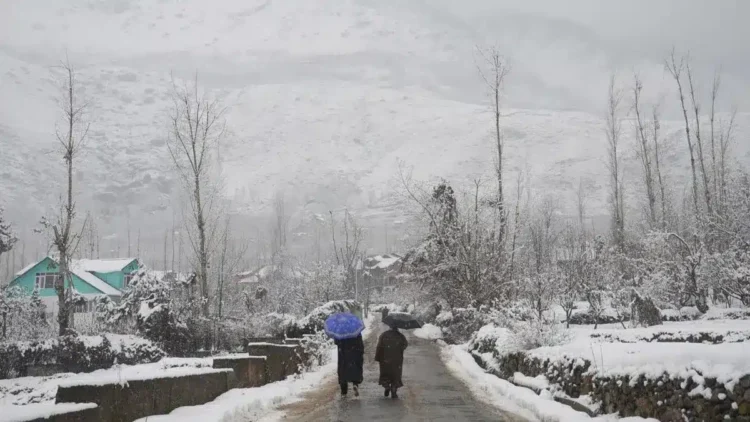
According to recent weather observations, the hilly regions of Himachal Pradesh, Uttarakhand, and Jammu and Kashmir are expected to receive fresh snowfall over the next few days. The ongoing snowfall has resulted in a noticeable decline in temperatures, making conditions harsh for residents but attractive for winter tourism. Popular hill stations are experiencing a rise in visitor numbers, especially as travelers seek seasonal experiences such as snow sightseeing and winter holidays.
However, the snowfall has also caused temporary disruptions. Several mountain roads have become slippery or blocked, leading to slow traffic movement and occasional closures. Local administrations have deployed snow-clearing teams and emergency services to manage the situation, but travelers are advised to remain cautious and avoid unnecessary journeys during extreme conditions.
Cold Wave Conditions in Northern Plains
Apart from the hilly regions, northern plains including Punjab, Haryana, Delhi, Uttar Pradesh, Bihar, and Jharkhand are likely to experience cold wave conditions. A sharp fall in minimum temperatures has been recorded, especially during nighttime and early morning hours. These conditions have increased health risks, particularly for elderly people and children.
Dense fog has become a major concern in many parts of northern India. Reduced visibility during morning hours has affected road safety and slowed down traffic in urban and rural areas alike. Commuters are facing delays, and authorities have advised drivers to use fog lights and follow traffic advisories to prevent accidents.
Delhi-NCR Weather Situation
The Delhi-NCR region is expected to continue experiencing cold wave conditions along with a slight further drop in temperature. Dense fog has become a recurring issue, especially during early mornings, leading to disruptions in daily commuting. Flight schedules and train operations have been affected, causing delays and cancellations that inconvenience passengers.
Although air quality levels in Delhi-NCR have shown slight improvement in recent days, they remain in the very poor category. Prolonged exposure to such air conditions poses health risks, including respiratory issues. Health authorities have recommended precautionary measures such as wearing masks during outdoor activities and limiting exposure to polluted air whenever possible.
Impact on Travel and Transportation
Snowfall and fog have collectively impacted transportation across northern India. In hilly areas, traffic movement has been disrupted due to snow-covered roads, while in the plains, fog has reduced visibility on highways and railway tracks. Travelers planning journeys during this period are advised to check weather updates regularly and adjust travel plans accordingly.
Public transport services are operating with caution, and emergency response teams remain on standby in sensitive zones. Authorities continue to monitor weather developments to ensure timely advisories and support for affected regions.
Safety Guidelines and Public Advisory
The weather department has urged residents and travelers to follow official guidelines during this winter phase. People are advised to limit outdoor activities during extreme cold, wear adequate warm clothing, and remain alert while traveling. In fog-prone areas, avoiding early morning travel can help reduce risks.
Tourists visiting snow-covered destinations should plan trips carefully, keep emergency supplies ready, and follow instructions from local authorities. Responsible travel and preparedness can help minimize inconvenience and ensure safety during adverse weather conditions.
Conclusion
The current winter spell across northern India highlights the dual impact of seasonal weather patterns. While snowfall has boosted tourism in hill regions, it has also brought challenges related to transportation, health, and daily routines. With cold waves and dense fog affecting large parts of the northern plains, staying informed and cautious remains essential. Timely planning, adherence to advisories, and basic safety measures can help people navigate this period more comfortably and safely.