
Weather – Dust Storm Covers Delhi NCR, Triggers Air Quality Concerns
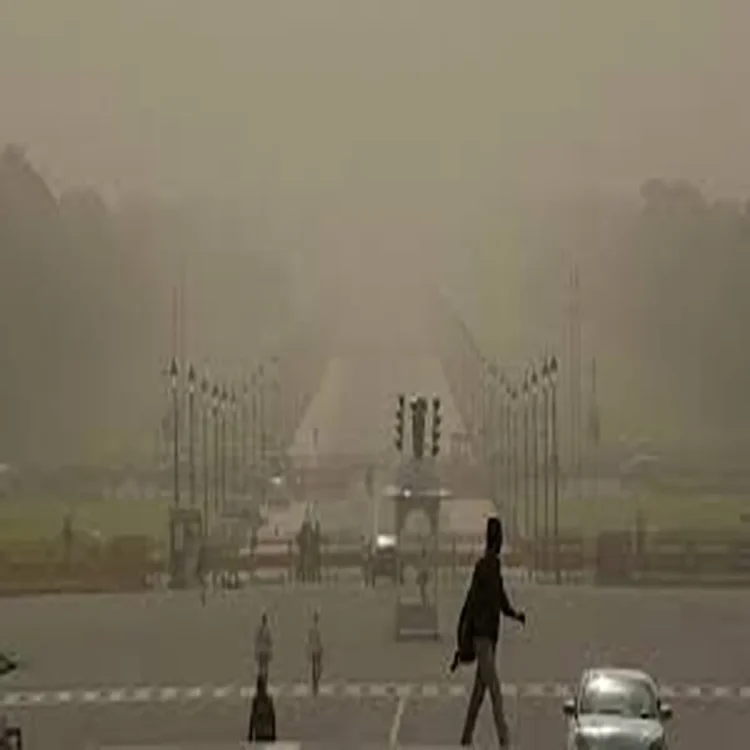
Weather – A thick blanket of dust swept across Delhi and the wider National Capital Region (NCR) early Friday morning, leading to a sharp drop in visibility and raising concerns about air quality. Commuters in several parts of the city experienced hazy surroundings as strong winds carried fine dust particles through the atmosphere, altering the usual morning skyline.
Reduced Visibility Across Key Areas
From Gol Dak Khana to central parts of Delhi and surrounding localities, residents reported a noticeable decline in visibility. Buildings and roads appeared blurred under a layer of suspended dust, making travel conditions more challenging during peak hours. Traffic movement slowed in certain areas as drivers exercised caution amid the low-visibility conditions.
The sudden shift in weather was attributed to gusty winds that picked up overnight, pushing dust into the city from nearby regions. Such conditions are not uncommon during transitional weather phases, but their intensity on Friday morning caught many by surprise.
IMD Issues Weather Advisory
According to the India Meteorological Department (IMD), the current weather pattern is expected to continue through the day. The department indicated that skies would likely remain partly to fully cloudy, with chances of light rainfall or drizzle in some areas.
In its official bulletin, the IMD also warned of possible thunderstorms accompanied by lightning within the next 24 hours. Wind speeds could reach between 40 and 50 kmph, further contributing to unstable weather conditions. These forecasts apply not only to Delhi but also to nearby NCR cities such as Faridabad, Gurugram, Ghaziabad, and Noida.
Air Quality Remains in Poor Category
Alongside the dusty conditions, air pollution levels remained a matter of concern. Data released by the Central Pollution Control Board (CPCB) showed that the Air Quality Index (AQI) stood at 221 at around 9 am. This places the air quality firmly in the “poor” category.
An AQI reading between 201 and 300 is considered unhealthy, especially for vulnerable groups such as children, the elderly, and individuals with respiratory issues. Exposure to such air can lead to breathing discomfort and aggravate existing health conditions.
Understanding AQI Levels and Impact
The CPCB classifies air quality into six categories to help the public understand pollution levels and associated risks. These categories range from “good” (0–50), indicating minimal pollution, to “severe” (401–500), which signals extremely hazardous air conditions.
With Delhi’s AQI currently in the “poor” bracket, authorities typically advise residents to limit prolonged outdoor activities and take precautions such as wearing masks. The presence of dust particles in the air can further worsen the situation by adding to the particulate matter already present.
Weather Patterns and Seasonal Influence
Meteorologists often link such dust events to seasonal changes, particularly during the transition from winter to summer. Rising temperatures and shifting wind patterns can create conditions that allow dust to travel over long distances and settle in urban areas.
While light rain or drizzle later in the day may help reduce airborne dust to some extent, strong winds could continue to influence conditions intermittently. Residents are advised to stay updated with official weather alerts and plan their activities accordingly.
The situation highlights the ongoing challenge of managing air quality in densely populated urban centers, especially when natural factors combine with existing pollution sources.