
TradeDeal – Amit Shah, Rahul Gandhi Clash Over US Pact Impact
TradeDeal – Union Home Minister Amit Shah on Saturday strongly criticized Leader of Opposition Rahul Gandhi over his remarks on the India–US trade agreement, accusing him of spreading misinformation about the deal. Addressing a public gathering in Karaikal, Puducherry, Shah maintained that the agreement safeguards the interests of Indian farmers and fishing communities and does not compromise domestic industries.
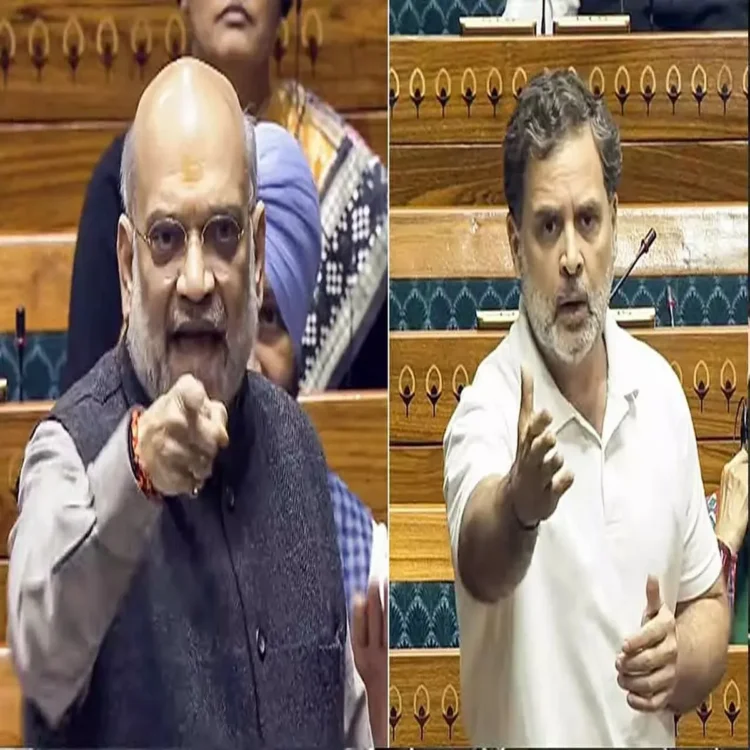
Shah Rejects Allegations at Puducherry Rally
Speaking at a BJP rally in Karaikal, Shah said repeated claims made by Gandhi about the trade pact were baseless. According to him, the agreement was structured after careful consideration to ensure that sectors such as agriculture and fisheries remain protected. He urged critics to study the provisions of the Free Trade Agreement thoroughly before drawing conclusions.
Shah asserted that Prime Minister Narendra Modi had ensured complete protection for vulnerable sections, particularly small farmers and fishermen, who depend heavily on domestic market stability. He added that the government would not sign any international agreement that harms core economic interests.
Gandhi Questions Government’s Approach
The remarks from Shah came in response to statements made by Rahul Gandhi earlier in the day. Gandhi had accused the central government of conceding too much ground in negotiations with the United States. In a message shared publicly, he alleged that the agreement could negatively affect India’s textile industry and cotton growers.
Gandhi claimed that the textile sector, which supports nearly 50 million families, may face significant challenges if safeguards are not properly implemented. He described the deal as potentially damaging and questioned whether adequate consultation had taken place with stakeholders before its conclusion.
Debate Over Impact on Farmers and Industry
At the heart of the disagreement lies the potential economic impact of the India–US trade deal. Shah argued that the government had learned from past experiences and taken steps to avoid repeating what he described as policy mistakes during the United Progressive Alliance administration led by former Prime Minister Manmohan Singh.
According to Shah, previous trade arrangements had left Indian farmers exposed to global competition without sufficient protective measures. He contended that the current administration has prioritized domestic producers and ensured that import provisions would not undermine local livelihoods.
Gandhi, however, has expressed concerns that increased market access for American goods could intensify competition for Indian textile manufacturers and cotton farmers. He has called for greater transparency regarding the agreement’s terms and their long-term implications.
Engagement With Farm Unions
The debate intensified after Gandhi met leaders from 17 major farm unions to discuss the interim trade agreement. Sources indicated that the meeting focused on understanding farmers’ concerns and exploring the possibility of coordinated opposition if necessary.
Gandhi has suggested that a broader movement could emerge if agricultural interests feel threatened by the deal. He emphasized the importance of protecting rural incomes and ensuring that trade policy does not disadvantage small and marginal farmers.
Political Rhetoric Escalates
Shah criticized Gandhi’s approach, alleging that repeated statements questioning the agreement were politically motivated. He said that public discourse should be based on factual examination of the provisions rather than rhetoric. The home minister also urged citizens to review the details of the pact before accepting claims that it would harm specific sectors.
Meanwhile, opposition leaders continue to press for greater clarity on how the agreement will affect employment and exports. Trade policy has increasingly become a focal point of political debate, especially in regions where agriculture and textiles form the backbone of the local economy.
As discussions continue, both sides appear set to maintain their positions. The government has reiterated that it will prioritize national interests in all trade negotiations, while the opposition insists that close scrutiny is essential to prevent unintended consequences for key industries.