
Representation – Rahul Gandhi Raises Concerns Over Lack of Inclusivity in Institutions
Representation – Congress leader Rahul Gandhi on Monday highlighted what he described as a deep-rooted imbalance in representation within top leadership positions across various institutions in the country. He asserted that marginalized communities, often referred to as “Bahujans,” continue to remain largely absent from decision-making roles, calling it a serious issue that demands urgent attention.
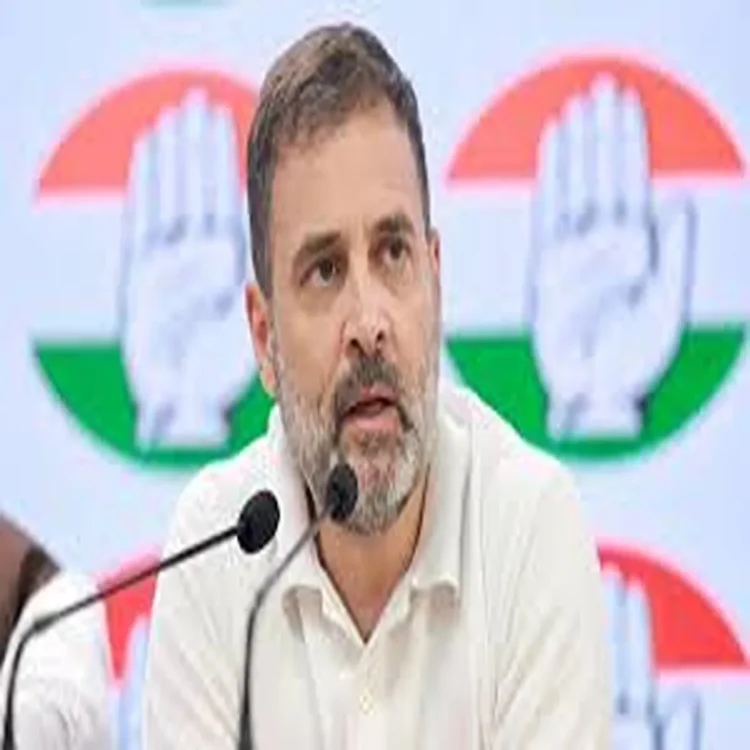
Concerns Raised During Public Interaction
The remarks came after Gandhi interacted with members of the SC-ST Welfare Association of a Gramin Bank during one of his recent “Jan Sansad” sessions held at his office within the Parliament complex. These sessions are aimed at engaging directly with different sections of society and understanding their concerns firsthand.
According to Gandhi, the interaction reinforced a point he has consistently raised in public forums — that individuals from historically disadvantaged communities are rarely seen in senior leadership roles within institutions. He noted that despite policy frameworks designed to promote inclusivity, the reality on the ground tells a different story.
Allegations of Systemic Barriers
During the discussion, members of the delegation reportedly shared their experiences regarding challenges in career advancement. They claimed that although reservation policies help individuals secure entry-level positions, moving up the hierarchy remains difficult due to systemic hurdles.
Gandhi explained that employees from these communities often face obstacles during promotions. Reasons such as performance concerns or questions around merit are frequently cited, which, according to the delegation, hinder their professional growth.
He further stated that individuals who speak out against these issues sometimes face repercussions. In certain cases, representatives of Dalit and Adivasi groups are transferred to remote or less favorable locations, making it difficult for them to continue their advocacy efforts.
Reservation Policies and Ground Reality
The Congress leader acknowledged that reservation policies have played a role in providing employment opportunities at the entry level. However, he argued that these measures alone are not sufficient to ensure fair representation at higher levels of leadership.
He emphasized that the lack of progression opportunities creates a gap where marginalized communities remain underrepresented in positions of authority. According to him, this pattern reflects a broader structural issue rather than isolated incidents.
Call for Structural Change
Gandhi described the situation as concerning but not unexpected, reiterating that similar issues have been raised repeatedly over time. He stressed the need for reforms that go beyond policy announcements and focus on effective implementation.
He also reaffirmed his commitment to addressing what he termed as systemic discrimination. The goal, he said, is to create a framework where individuals from all backgrounds have equal opportunities to participate in leadership and decision-making processes.
Focus on Equal Participation
Highlighting the importance of inclusive governance, Gandhi stated that true progress can only be achieved when every section of society is adequately represented. He called for collective efforts to bridge the existing gaps and ensure fairness across institutions.
He concluded by expressing confidence that sustained dialogue and policy reforms can bring about meaningful change. According to him, achieving balanced representation is essential not only for social justice but also for strengthening democratic institutions.