
Maritime – India Set to Add Advanced Godavari Dredger This Year
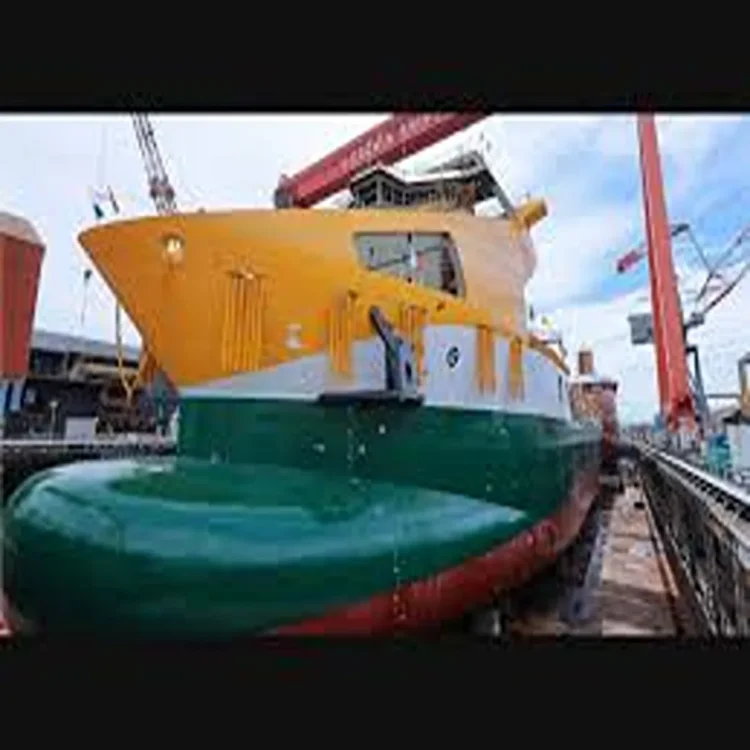
Maritime – India’s dredging sector is preparing for a significant boost as Dredging Corporation of India Limited (DCIL) moves closer to inducting a new high-capacity vessel into its fleet later this year. The upcoming addition, named DCI Dredge Godavari, is expected to strengthen the country’s ability to handle complex maritime projects and support expanding port operations.
Trial Schedule and Expected Commissioning
According to DCIL’s leadership, the vessel is scheduled to begin its trial phase around July, with formal commissioning anticipated by September. The timeline reflects steady progress in construction and testing, positioning the dredger for operational readiness within the current financial year.
Built Under Make in India Initiative
The DCI Dredge Godavari has been developed as part of the government’s Make in India programme, highlighting a growing emphasis on domestic manufacturing capabilities. The vessel was launched in October 2025 at Cochin Shipyard Limited, one of India’s key shipbuilding facilities.
Its design and technical framework have been developed in collaboration with Royal IHC, a Netherlands-based company known for its expertise in dredging technology. This partnership combines international technical knowledge with local production strength.
Advanced Design and Capabilities
With a hopper capacity of 12,000 cubic metres, the Godavari stands among the most capable dredgers currently being built in India. The vessel measures approximately 127 metres in length and is designed to operate at depths of up to 36 metres.
These specifications allow it to perform a wide range of tasks, including deepening port channels, maintaining navigational routes, and supporting land reclamation activities. Such capabilities are increasingly important as Indian ports expand to accommodate larger vessels and higher cargo volumes.
Boost to National Dredging Capacity
Once operational, the addition of this dredger is expected to significantly enhance DCIL’s overall capacity. The company’s total dredging capability is projected to reach around 80 million cubic metres, enabling it to undertake larger and more technically demanding assignments.
This increase in capacity comes at a time when maritime infrastructure projects are accelerating across the country, driven by trade growth and port modernisation efforts.
Integration of Modern Technology
The Godavari incorporates several modern engineering systems aimed at improving performance and safety. These include advanced automation features, improved operational efficiency, and environmentally conscious design elements.
Such upgrades are aligned with global standards in dredging operations, ensuring that the vessel can operate efficiently while meeting environmental and safety requirements.
Role in India’s Maritime Ecosystem
DCIL plays a central role in maintaining navigable waterways along India’s coastline. The organisation provides dredging services to major ports, the Indian Navy, and other maritime stakeholders.
It operates under a consortium of key ports, including those in Visakhapatnam, Paradip, Deendayal (Kandla), and Jawaharlal Nehru Port. Its work involves removing sediment, maintaining harbour depth, and ensuring smooth vessel movement across shipping channels.
Expansion Plans and Future Focus Areas
The commissioning of the Godavari aligns with the broader goals outlined in Maritime India Vision 2030, which aims to modernise the country’s maritime infrastructure. As part of its long-term strategy, DCIL is planning to add 11 more dredgers to its fleet.
These will include a mix of high-capacity hopper dredgers, cutter suction dredgers, and vessels designed for shallow-water and inland operations. This expansion reflects rising demand for specialised dredging solutions.
In addition to fleet growth, the company is exploring opportunities in emerging sectors such as submarine cable trenching, offshore wind energy support, and inland waterways development. These areas are expected to play a key role in the future of maritime operations.