
Investigation – NIA Takes Over Malda Cases Involving Judicial Officers’ Security
Investigation – The National Investigation Agency (NIA) has initiated a fresh investigation into multiple incidents linked to the obstruction of judicial officers in West Bengal’s Malda district, following clear directions from the Supreme Court.
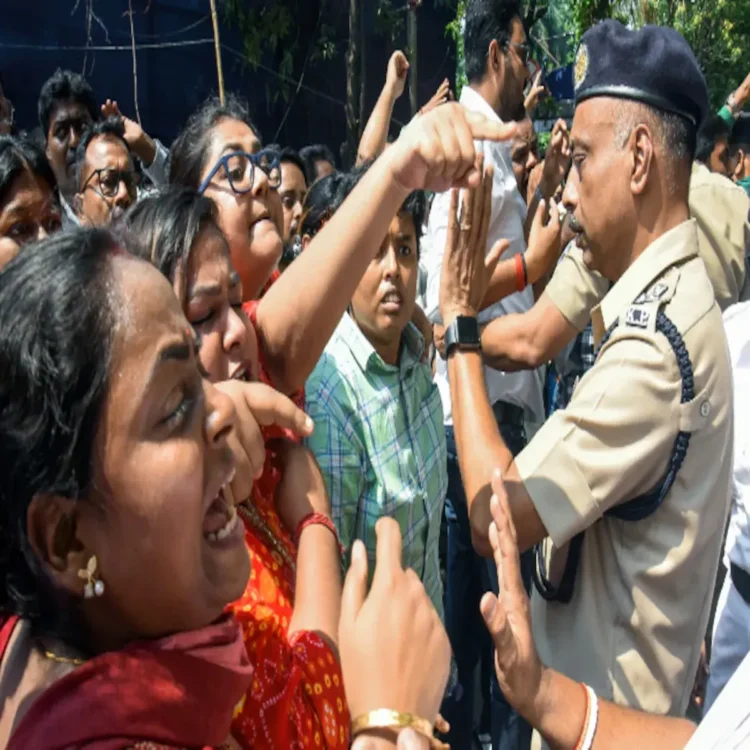
The development comes after concerns were raised over the safety of officials assigned to carry out duties related to the Special Intensive Revision (SIR) process. Authorities confirmed that several cases, earlier handled at the local level, will now be examined under the central agency’s supervision.
NIA Re-registers Multiple Cases for Investigation
In an official statement issued late Wednesday night, the NIA confirmed that it has formally taken over a total of 12 cases. These include seven First Information Reports (FIRs) originally registered at Mothabari police station and five from Kalichak police station, both located in Malda district.
The agency clarified that the re-registration of these cases is in line with the Supreme Court’s directive issued on April 6. The focus of the investigation will be on incidents involving the alleged gherao, or obstruction, of judicial officers who were deployed in the region for SIR-related responsibilities.
Officials noted that the cases also involve broader law-and-order concerns that emerged during the same period, indicating a potentially complex situation requiring a detailed probe.
Supreme Court Expresses Concern Over Situation
The Supreme Court had earlier intervened in the matter, directing the NIA to assume control of the investigation. The court highlighted serious concerns regarding the safety and security of judicial officers, emphasizing the need for an impartial and thorough inquiry.
During its observations, the apex court pointed out that the situation appeared to reflect deeper systemic issues. It remarked that the credibility of administrative machinery could be at stake and warned against the influence of political factors in such sensitive matters.
The court’s directive was seen as a strong signal underscoring the importance of maintaining the independence and protection of judicial processes, particularly when officials are performing legally mandated duties.
Focus on Ensuring Accountability and Safety
With the NIA now handling the investigation, attention is expected to shift toward identifying those responsible for the incidents and assessing whether any organized elements were involved. The agency is likely to examine evidence, witness statements, and local administrative actions during the events in question.
Ensuring the safety of judicial officers remains a key priority. Legal experts have pointed out that such incidents, if left unaddressed, could undermine confidence in the justice delivery system and discourage officials from carrying out critical assignments.
The investigation is also expected to review whether adequate security arrangements were in place at the time and if any lapses contributed to the situation.
Broader Implications of the Probe
The case has drawn attention beyond West Bengal, as it raises important questions about governance, accountability, and the functioning of law enforcement agencies. The involvement of a central agency like the NIA suggests that the matter is being treated with a high level of seriousness.
Observers believe that the outcome of the investigation could set a precedent for how similar incidents are handled in the future, particularly when they involve judicial authorities and administrative processes.
For now, the focus remains on conducting a fair and transparent investigation, ensuring that all relevant aspects are examined without bias.