
Internet Shutdown – Delhi High Court Allows Withdrawal of PIL Over Jantar Mantar Mobile Internet Suspension
Internet Shutdown –The Delhi High Court has permitted the withdrawal of a public interest petition that questioned the legality of temporary mobile internet suspension orders issued during student protests near Jantar Mantar, bringing the matter to a close without a ruling on its merits.
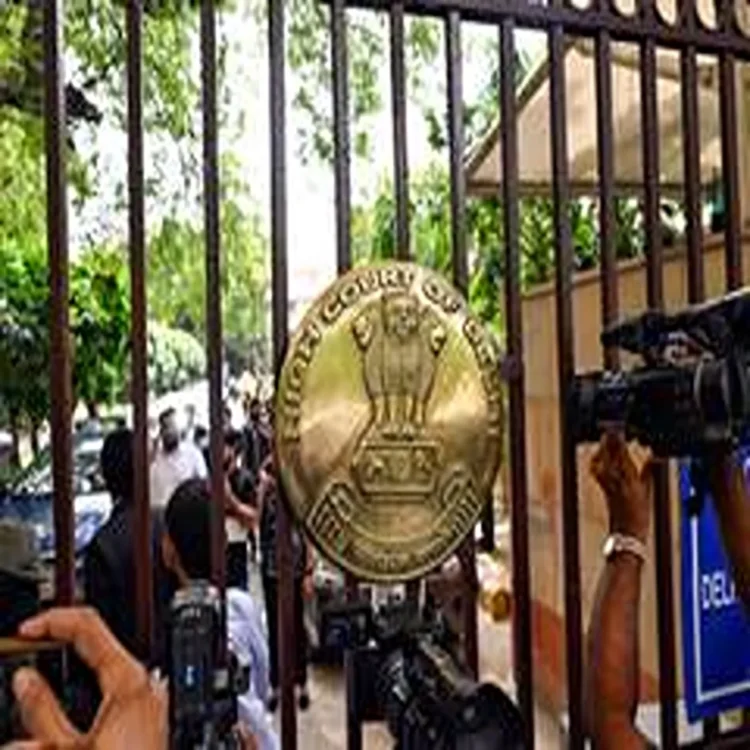
The Delhi High Court on Monday allowed the Software Freedom Law Centre, India (SFLC.in) to withdraw its Public Interest Litigation (PIL) challenging a series of Ministry of Home Affairs (MHA) directives that temporarily suspended mobile internet services around Jantar Mantar. The restrictions had been imposed during demonstrations linked to alleged irregularities in competitive examinations, including the National Eligibility cum Entrance Test (NEET). A Division Bench headed by Chief Justice Devendra Kumar Upadhyaya and Justice Tejas Karia accepted the request after the petitioner’s counsel informed the court that the organisation no longer wished to pursue the matter.
Court Grants Request to Withdraw Petition
Although the case had been listed for hearing, the petitioner’s legal representative informed the Bench that the organisation intended to withdraw the PIL. After considering the submission, the court granted permission and disposed of the matter as withdrawn. As a result, the High Court did not examine the merits of the claims raised in the petition or issue any findings regarding the challenged government orders.
Challenge Focused on Internet Suspension Orders
The PIL had questioned a series of orders issued by the Ministry of Home Affairs on July 17, 20, 22 and 23, 2026. These directions were issued under Section 20(2)(b) of the Telecommunications Act, 2023, along with the Telecommunications (Temporary Suspension of Services) Rules, 2024. The orders temporarily suspended mobile internet services within an area of approximately 1.5 kilometres around Jantar Mantar while protests were taking place over alleged examination irregularities and broader concerns related to education and student welfare.
According to the petition, the internet restrictions affected access to mobile data services during the demonstrations and raised important questions regarding transparency, proportionality and the legal standards governing such shutdowns.
Reliefs Sought by the Petitioner
The petition had requested the High Court to set aside the internet suspension orders, arguing that they were unconstitutional and legally unsustainable. It also sought a declaration that the directives violated established legal principles governing temporary restrictions on communication services.
In addition, the petitioner requested the court to direct authorities to place the complete records related to the suspension orders before the court. These records included approvals from the competent authority, intelligence assessments, review committee documents, internal file notings and materials demonstrating whether less restrictive measures had been considered before the shutdowns were imposed.
Transparency and Publication of Future Orders
A significant part of the PIL focused on transparency in the process of ordering internet shutdowns. The petitioner urged the court to direct authorities to publish all future suspension orders either before they came into effect or at the same time they were implemented. This request relied on principles laid down by the Supreme Court in the Anuradha Bhasin v. Union of India judgment, which emphasised the importance of public access to such orders for meaningful judicial scrutiny.
The petition further argued that future directives should clearly explain the reasons for imposing internet restrictions, identify the material relied upon by authorities and specify why alternative measures were considered insufficient before resorting to suspension of services.
Petition Raised Concerns Over Justification
According to the petitioner’s submissions, the MHA orders repeatedly referred to statutory grounds such as “public safety” and “public emergency” without providing detailed factual reasons supporting the need for the restrictions. The organisation maintained that greater disclosure would help ensure accountability and enable courts to effectively assess whether such measures were necessary and proportionate under the law.
With the petition now withdrawn, the legal challenge has ended without any judicial determination on the validity of the internet suspension orders issued during the protests.