
Infrastructure – Delhi Clears Major Yamuna Cleanup and Water Network Expansion
Infrastructure – The Delhi government has approved a large package of infrastructure projects aimed at reducing river pollution, improving sewage treatment and strengthening water facilities across the national capital. According to an official statement issued by the Chief Minister’s Office on Sunday, the combined value of the newly cleared initiatives exceeds Rs 1,000 crore.
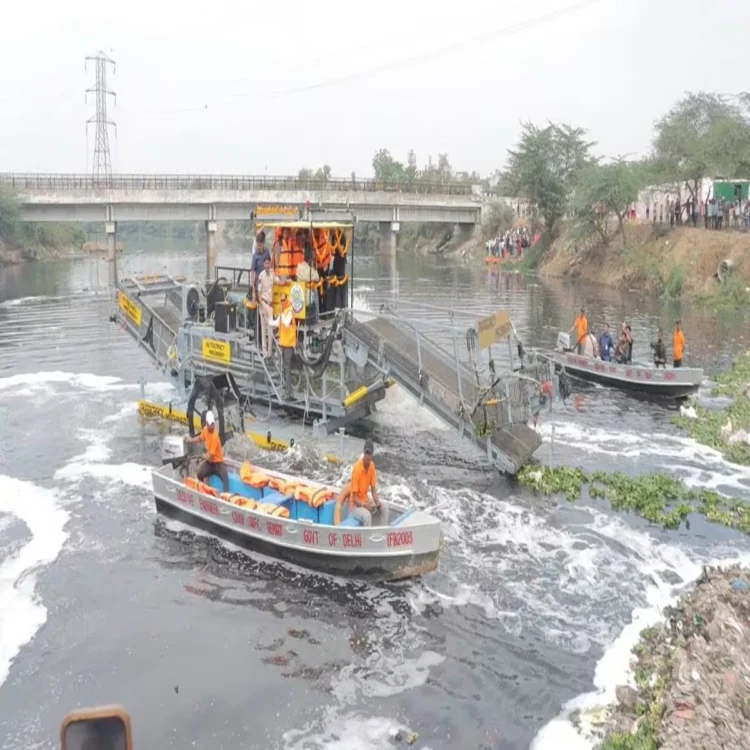
The projects are part of a wider effort to improve environmental conditions around the Yamuna River and modernise civic infrastructure in several densely populated areas of Delhi. Officials said the measures are expected to support long-term water security while also addressing untreated sewage discharge into major drains.
New Sewage Plants Planned in Najafgarh Region
Chief Minister Rekha Gupta announced that 12 decentralised sewage treatment plants will be established in the Najafgarh zone under the Centre’s AMRUT programme. The estimated cost of these facilities is around Rs 860 crore. Once completed, the plants will together process nearly 46.5 million gallons of wastewater every day.
Among the largest proposed facilities is a 17 MGD treatment plant planned for Mitraon. Additional plants are scheduled to come up in several other localities, including Kair, Kanganheri, Kakrola, Dichaon Kalan, Galibpur, Sarangpur, Shikarpur, Hasanpur, Jaffarpur, Kazipur and Khera Dabar.
Officials believe the expansion will significantly reduce the release of untreated sewage into the Najafgarh drain, one of the major contributors to pollution in the Yamuna River. The projects are also expected to improve sanitation facilities for residents living in surrounding settlements.
Benefits Expected for Villages and Unauthorised Colonies
According to the government, the new sewage infrastructure is likely to directly benefit more than 121 unauthorised colonies and 35 villages in outer Delhi. Nearly seven lakh residents are expected to gain from better wastewater management and improved civic services.
Authorities stated that decentralised treatment systems can help manage sewage closer to residential areas, reducing pressure on larger networks and improving efficiency. Officials added that these projects are designed to support cleaner neighbourhoods and better environmental conditions in rapidly growing parts of the city.
The government has repeatedly highlighted the importance of controlling pollution entering the Yamuna River, which has remained a major environmental concern for Delhi for several years.
Upgrade Approved for Keshopur Treatment Facility
In a separate decision, the administration also cleared the modernisation of Phase I of the Keshopur Sewage Treatment Plant. The upgrade project has been estimated at nearly Rs 122 crore.
Once completed, the treatment capacity of the facility will increase from 12 million gallons per day to 18 million gallons per day. Officials said the plan also includes an 11-year operation and maintenance arrangement to ensure regular upkeep and smooth functioning of the plant after expansion work is completed.
The government noted that upgrading existing treatment facilities is necessary to meet the growing wastewater demands of the capital as population and urban development continue to increase.
Focus on Groundwater Recharge and Rainwater Harvesting
Apart from sewage treatment initiatives, the Delhi Jal Board will also undertake measures to strengthen groundwater recharge across the city. The administration has approved the construction of new rainwater-harvesting systems along with the restoration of existing structures in multiple departments.
Officials said technical experts in groundwater management will be appointed for the programme. Social mobilisers specialising in rainwater harvesting will also be engaged to encourage awareness and participation at the community level.
The government stated that these measures are intended to improve water conservation and reduce dependence on external water sources in the coming years. Authorities believe that combining sewage treatment upgrades with rainwater harvesting projects will help Delhi move towards a more sustainable urban water system.