
Governance – Delhi Assembly Sees Fresh Row Over ‘Sheesh Mahal’ Spending
Governance – Delhi Chief Minister Rekha Gupta on Wednesday presented a detailed report in the Assembly, raising allegations of significant financial irregularities linked to the construction of former Chief Minister Arvind Kejriwal’s official residence, popularly dubbed the ‘Sheesh Mahal.’
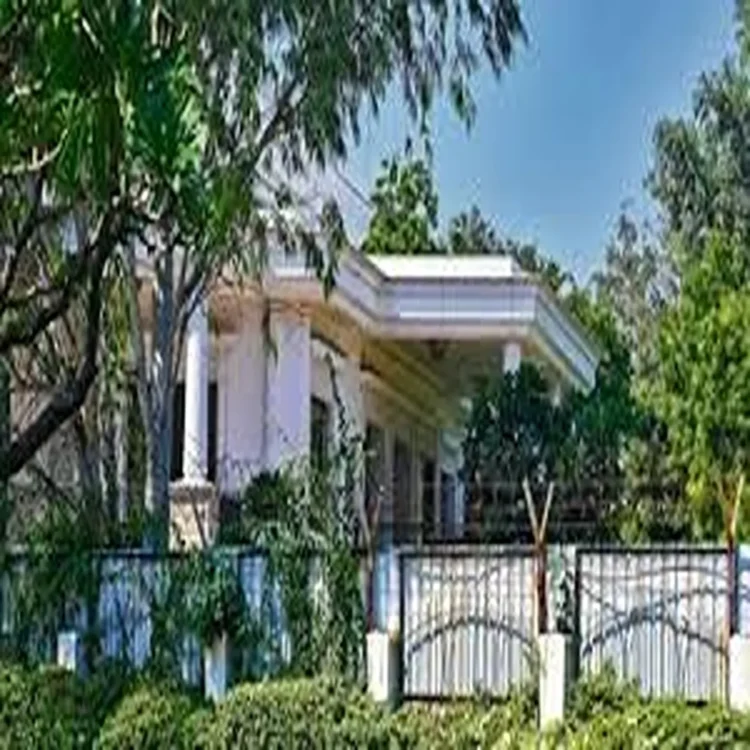
Allegations of Excessive Spending Spark Political Clash
Addressing the House, Gupta launched a sharp critique, claiming that the residence symbolized extravagant use of public funds. She further alleged that those associated with the project had shifted to similarly luxurious accommodations elsewhere, suggesting a pattern of opulence. According to her, the matter was not just about construction expenses but reflected deeper concerns about governance and accountability.
At Gupta’s request, the Assembly agreed to forward the Comptroller and Auditor General (CAG) report to the Public Accounts Committee (PAC) for a comprehensive investigation into the matter.
Questions Raised Over Leadership Image
Gupta also questioned the contrast between the public image of simplicity projected by Kejriwal and the alleged scale of expenditure on his residence. She pointed out that past criticism of earlier administrations over relatively modest amenities now appeared inconsistent with the current allegations.
Drawing attention to reported details, she stated that the residence was equipped with numerous air conditioners and fans, significantly exceeding what had previously been criticized. She also highlighted that construction activities continued during the peak of the Covid-19 pandemic, raising concerns about priorities during a public health crisis.
Details of Luxury Features Under Scrutiny
The Chief Minister cited several features of the residence that, according to the report, contributed to escalating costs. These included high-end appliances, specialized infrastructure, and premium fittings. Among the examples mentioned were costly lifts designed for convenience, imported equipment, and the involvement of multiple consultants for interiors, landscaping, and furnishings.
She further noted that the project’s estimated cost reportedly rose sharply from an initial ₹8 crore to around ₹62 crore, prompting questions about financial oversight and project management.
Spending by Other Officials Also Highlighted
Gupta expanded the scope of her criticism by pointing to expenditures on residences of other former officials. She alleged that several ministers and senior leaders had also utilized substantial public funds for renovations and upgrades of their official accommodations.
According to her statement, these expenses ranged across various individuals, with amounts running into several crores. She suggested that such spending patterns indicated a broader issue rather than an isolated case.
Call for Detailed Investigation
Emphasizing the need for transparency, Gupta stated that the matter warranted a thorough and impartial inquiry. The Assembly unanimously approved her proposal to refer the issue to the Public Accounts Committee, which is expected to examine the findings of the CAG report in detail.
She assured that appropriate action would follow based on the committee’s conclusions, underlining the government’s commitment to accountability in the use of public funds.
The development has intensified the political debate in Delhi, with the findings of the upcoming investigation likely to play a significant role in shaping public discourse on governance and financial responsibility.