
GlobalDiplomacy – Jaishankar, Anand Discuss West Asia Crisis at G7 Talks
GlobalDiplomacy – India’s External Affairs Minister S Jaishankar and Canada’s Foreign Minister Anita Anand held detailed discussions on the evolving situation in West Asia during a meeting on the sidelines of the G7 Foreign Ministers’ gathering in France. The talks reflected growing international concern over regional instability and its wider economic and geopolitical consequences.
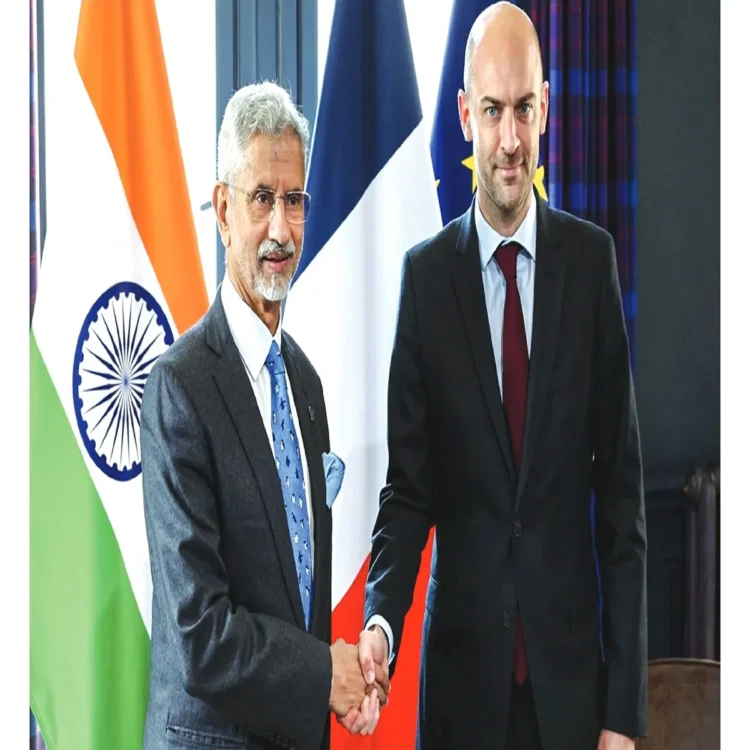
Focus on Bilateral Engagement and Cooperation
The interaction between the two leaders also served as a continuation of recent diplomatic efforts to strengthen ties between India and Canada. Anand noted that the conversation built upon the direction set by both countries’ prime ministers during her earlier visit to India this year.
Key areas of cooperation were reviewed, including trade relations and opportunities to expand collaboration in sectors such as critical minerals, agriculture, and education. These sectors are seen as essential for long-term economic resilience and strategic partnership between the two nations.
West Asia Crisis Takes Centre Stage
A significant portion of the discussion was devoted to the escalating crisis in West Asia. Both sides exchanged views on the regional developments and their broader implications for global stability. The situation has drawn attention from multiple countries due to its potential to disrupt energy supplies and international trade routes.
Jaishankar’s participation in the G7 meeting is expected to further highlight India’s perspective on the issue, particularly regarding the need for coordinated international efforts to address the crisis.
Concerns Over Strait of Hormuz Disruptions
One of the major concerns discussed at the G7 forum is the status of the Strait of Hormuz, a critical maritime passage for global energy transportation. The narrow waterway connects the Persian Gulf with the Gulf of Oman and is responsible for carrying nearly one-fifth of the world’s oil and liquefied natural gas shipments.
Recent developments, including actions by Iran that have effectively restricted movement through the strait, have led to a surge in global oil and gas prices. This has raised alarm among major economies, prompting urgent discussions on ensuring the uninterrupted flow of energy supplies.
G7 Meeting and Global Coordination Efforts
The G7 Foreign Ministers’ Meeting, held over March 26–27 at Abbaye des Vaux-de-Cernay in France, has brought together top diplomats from some of the world’s most advanced economies. The gathering is taking place at the invitation of France’s Minister for Europe and Foreign Affairs, Jean-Noel Barrot.
The Group of Seven includes Canada, France, Germany, Italy, Japan, the United Kingdom, and the United States, along with the European Union. In addition to its core members, France has invited countries such as India, Saudi Arabia, South Korea, and Brazil to participate in the discussions.
Addressing Global Economic and Security Challenges
The G7 continues to serve as an important platform for addressing pressing global challenges, including economic uncertainties, financial stability, and geopolitical tensions. The ongoing crisis in West Asia has added urgency to these discussions, particularly due to its impact on energy markets and international trade.
Jaishankar’s engagement at the forum reflects India’s growing role in global diplomacy and its interest in contributing to solutions that ensure stability and secure supply chains. As discussions continue, there is a clear emphasis on coordinated international action to mitigate risks arising from the current situation.
The outcome of these deliberations is expected to influence policy decisions and cooperative strategies among participating nations in the coming months.