
FCRA – Congress Raises Concerns Over Handling of Amendment Bill
FCRA – A fresh political disagreement has emerged over the Foreign Contribution (Regulation) Amendment Bill, 2026, with senior Congress leader and Alappuzha MP KC Venugopal questioning the Centre’s approach and intent behind the proposed legislation. The issue has gained traction following remarks made by Prime Minister Narendra Modi during a public rally in Kerala, where he accused Opposition parties of misleading the public on the Bill.
Questions Over Legislative Procedure
In a detailed letter addressed to the Prime Minister, Venugopal expressed concern about what he described as an unusually hurried process in introducing the Bill. He sought clarification on whether established parliamentary procedures were followed, particularly regarding consultations with the Business Advisory Committee (BAC).
According to him, legislative norms generally require prior scheduling and discussion within the BAC before a Bill is introduced for consideration. He questioned whether such steps were bypassed and, if so, what urgency justified deviating from these conventions. The Congress leader suggested that the absence of clarity around this process raises broader concerns about transparency in lawmaking.
Concerns Raised by Opposition Members
Venugopal also pointed to objections previously raised in Parliament by Congress MP Manish Tewari. These objections, he noted, highlighted potential implications of the amendments on constitutional rights and the functioning of institutions involved in charitable and social work.
Describing the Bill as potentially restrictive, Venugopal argued that it could create uncertainty for organisations engaged in education, healthcare, and community service. He stressed that such institutions often rely on foreign contributions to sustain their operations and warned that additional regulatory layers could affect their ability to function effectively.
Timing of the Bill Under Scrutiny
Another key issue raised in the letter relates to the timing of the Bill’s introduction. Venugopal alleged that it was brought forward at a moment when several Opposition leaders were occupied with election campaigning in states such as Kerala, Assam, and Puducherry.
He questioned whether this timing limited meaningful debate and participation in Parliament. The Bill, he noted, was introduced shortly before the House was scheduled to adjourn, which further fueled concerns among Opposition members about the adequacy of discussion.
Political Reactions and Public Statements
The debate intensified after Prime Minister Modi, speaking at a rally in Kerala, accused Opposition alliances of spreading misinformation about both the FCRA Amendment Bill and the Uniform Civil Code. He stated that such narratives were part of a broader pattern of political messaging aimed at influencing public opinion.
Venugopal responded strongly to these remarks, describing them as inappropriate and expressing disappointment over the tone of the criticism. He emphasised that raising questions about legislation is a legitimate part of democratic discourse and should not be dismissed as misinformation.
Broader Concerns from State Leaders
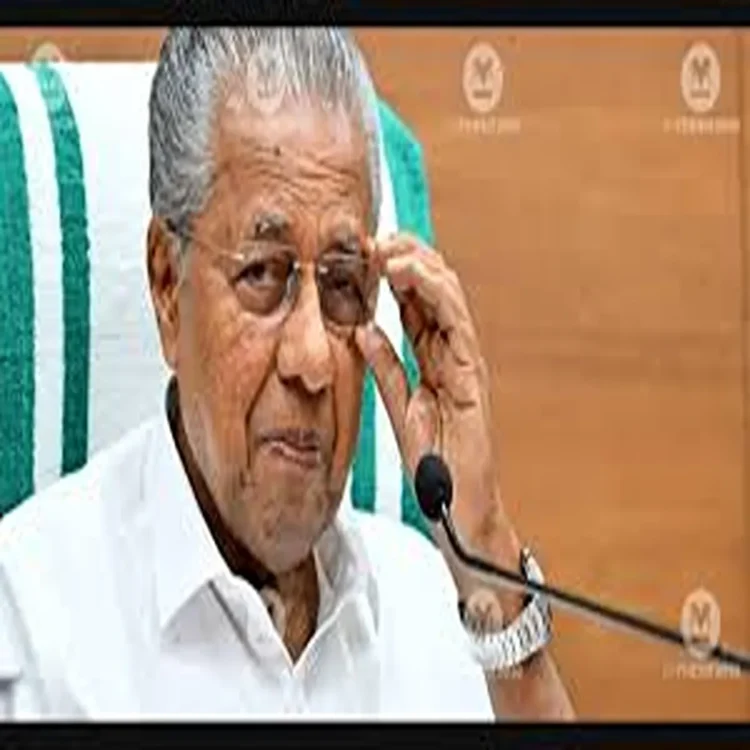
The proposed amendments have also drawn criticism from several state leaders. Kerala Chief Minister Pinarayi Vijayan and Tamil Nadu Chief Minister MK Stalin have both voiced concerns, particularly regarding the potential impact on minority communities and organisations dependent on foreign funding.
Their statements reflect a wider unease among sections of civil society, especially in regions where non-governmental organisations play a significant role in delivering social services.
Key Provisions of the Proposed Amendments
Introduced in the Lok Sabha on March 25, the Bill seeks to modify the Foreign Contribution (Regulation) Act, 2010. The government has stated that the amendments aim to strengthen transparency and accountability in the receipt and utilisation of foreign funds.
Among its provisions, the Bill proposes that an organisation’s FCRA registration would cease upon expiry or non-renewal. It also outlines the creation of a designated authority responsible for overseeing the management and disposal of foreign contributions and related assets.
Demand for Future Assurance
Venugopal concluded his letter by urging the government to provide a clear assurance that similar legislation would not be introduced without broader consultation. He maintained that any law affecting civil society organisations must be carefully examined to avoid unintended consequences.
As the debate continues, the issue has become a significant political topic ahead of the upcoming Kerala Assembly elections, where the role of NGOs and foreign-funded institutions remains an important concern for many stakeholders.