
Expressway – Gas Tanker Crash Raises Safety Concerns Again
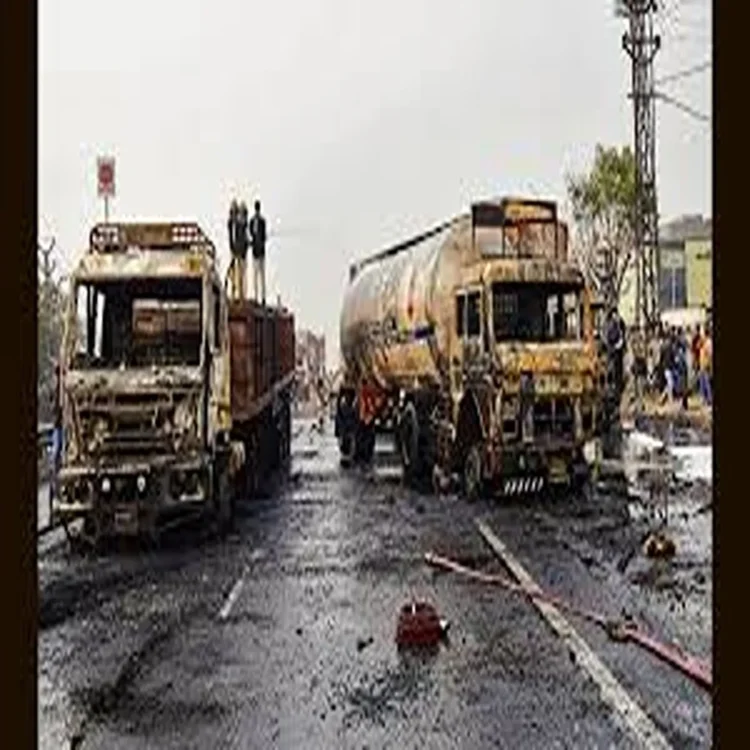
Expressway – A gas tanker crashed into a roadside barricade on the Mumbai-Pune Expressway early Sunday after reportedly suffering a brake failure, prompting swift action from traffic authorities. The incident occurred on February 23 and was cleared within a short time, ensuring that vehicular movement on the busy corridor continued without major disruption.
Quick Response Prevents Traffic Disruption
According to officials, police and highway management teams reached the site soon after receiving information about the crash. The damaged tanker was removed from the carriageway without delay, preventing congestion on the stretch. Unlike previous incidents involving heavy vehicles, traffic flow remained largely unaffected this time, offering relief to commuters who rely on the expressway for daily travel between Mumbai and Pune.
This marks the second gas tanker-related accident reported on the expressway in February. Earlier in the month, a more serious mishap had caused prolonged disruption, leading to heightened caution among motorists, especially when driving alongside fuel-carrying vehicles.
February 3 Incident Brought Highway to Standstill
On February 3, a gas tanker overturned near a tunnel in the Khandala ghat section of the expressway, triggering a gas leak and forcing authorities to halt traffic as a precautionary measure. The accident led to a complete suspension of movement for nearly 33 hours, resulting in severe congestion on both sides of the highway.
Thousands of vehicles were stranded for hours, stretching several kilometers. The standstill left many travelers without access to food, drinking water, or restroom facilities. Emergency teams worked continuously to control the leak and ensure the area was safe before reopening the route.
Commuters Faced Hardships Amid Long Delays
The prolonged traffic jam caused significant inconvenience to commuters with urgent commitments. Several passengers heading to business meetings in Mumbai were unable to arrive on time due to the gridlock. Vehicles bound for the city remained stuck for extended periods, compounding the frustration of drivers and passengers alike.
Among those affected was a family traveling from Latur to Mumbai with a cancer patient scheduled for treatment at Tata Hospital. Despite departing at 10 pm the previous night, they became trapped in traffic around 4 am and could not reach the hospital by the intended 8 am appointment. Their situation highlighted the human cost of the disruption.
A tempo driver who found himself caught in the congestion from early morning criticized the lack of prior advisories, stating that no warning had been issued to motorists before traffic was halted. Such concerns have since led to discussions about improving communication during highway emergencies.
Toll Refund Announced for Affected Motorists
In response to the large-scale inconvenience caused by the February 3 incident, a senior official from the Maharashtra State Road Development Corporation confirmed on February 22 that toll refunds would be issued to affected motorists. More than one lakh drivers who were stranded during the 33-hour shutdown are set to receive refunds totaling Rs 5.16 crore.
Officials stated that the refund decision was taken to acknowledge the extraordinary circumstances faced by commuters and to provide some financial relief. The process is expected to be carried out through established toll collection records.
Increased Vigilance on the Expressway
The back-to-back incidents involving gas tankers have raised fresh concerns about heavy vehicle safety on the Mumbai-Pune Expressway, one of the busiest highways in the country. While Sunday’s crash did not cause major delays, authorities are expected to review safety checks and monitoring mechanisms for vehicles carrying hazardous materials.
Motorists, too, are exercising greater caution when traveling near tankers, aware of the potential risks and the disruptions such accidents can cause. With traffic volumes steadily rising, ensuring safety and swift response remains a priority for highway authorities.