
ElectionCommission – Opposition Moves to Remove Chief Election Commissioner Gyanesh Kumar
ElectionCommission – The Opposition bloc is preparing to formally submit a notice in Parliament seeking the removal of Chief Election Commissioner Gyanesh Kumar after gathering the required signatures from lawmakers in both Houses.
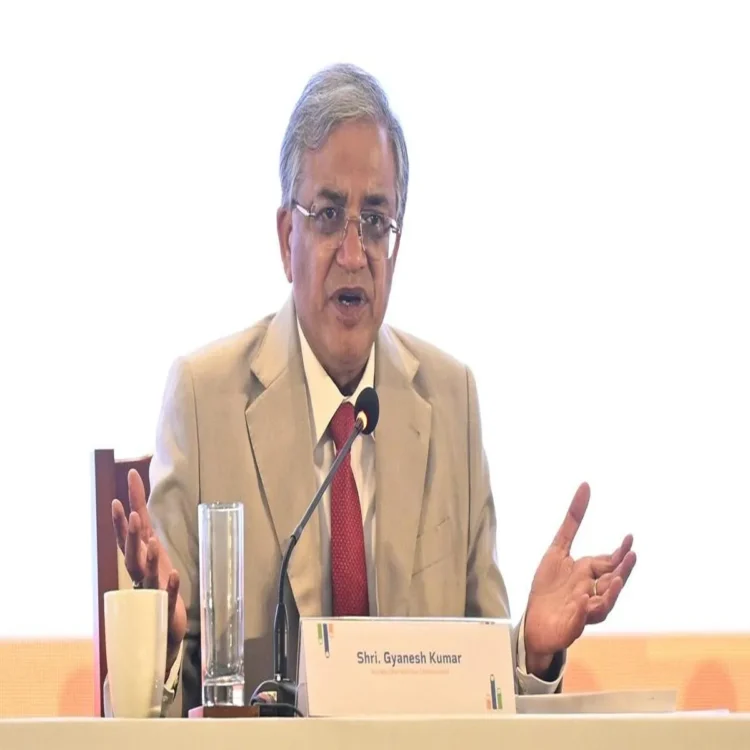
The move, according to sources within Opposition parties, comes after weeks of internal discussions and coordination among several political groups. Leaders involved in the effort say the signatures required under parliamentary rules have now been secured, allowing them to proceed with the next step of filing the notice in Parliament.
Signatures Collected From Both Houses of Parliament
A senior Opposition leader confirmed that the signature collection process has been completed and that the notice could be submitted either on Thursday or Friday. Separate notices are expected to be filed in the Lok Sabha and the Rajya Sabha in accordance with parliamentary procedures.
So far, approximately 120 Members of Parliament have signed the notice intended for the Lok Sabha. In the Rajya Sabha, around 60 MPs have added their signatures to the document that will be placed before the Chairman of the Upper House.
Parliamentary rules require a minimum of 100 MPs to support a motion seeking the removal of the Chief Election Commissioner in the Lok Sabha, while at least 50 members must endorse such a notice in the Rajya Sabha. Opposition leaders say the threshold has been comfortably met in both Houses.
INDIA Bloc Parties Unite Behind the Move
Members from various parties belonging to the INDIA alliance have signed the notice, reflecting a coordinated effort among Opposition groups. Leaders involved in the process say the initiative represents a collective political decision rather than the position of a single party.
If submitted, the notice would mark a rare parliamentary development. According to parliamentary records, a motion seeking the removal of a sitting Chief Election Commissioner has not previously been initiated in this manner.
Opposition figures argue that raising the matter through Parliament is the appropriate institutional route for addressing their concerns. They say the process will allow lawmakers to formally examine the issues they have been highlighting in recent months.
Allegations Linked to Election Processes
Opposition parties have repeatedly raised questions about the functioning of the Election Commission under the current leadership. Some leaders have alleged that certain decisions by the poll body have appeared to favour the ruling Bharatiya Janata Party.
One of the key points of disagreement has been the Special Intensive Revision exercise being conducted in several regions. Opposition parties claim the exercise could influence the electoral roll in ways that may affect future elections.
The ruling party and the Election Commission have not publicly endorsed these accusations, and the Commission has maintained that its actions follow established electoral procedures and legal frameworks.
Concerns Raised Over Voter List Revision
Concerns have been particularly strong in West Bengal, where the Special Intensive Revision exercise has drawn political attention. West Bengal Chief Minister and Trinamool Congress leader Mamata Banerjee has publicly expressed apprehension over the process.
Banerjee has alleged that legitimate voters may have been removed from the electoral rolls during the revision exercise. These claims have intensified political debate in the state, which is often a focal point during national and regional elections.
Officials from the Election Commission have stated in previous communications that the revision of electoral rolls is a routine administrative exercise conducted to maintain accuracy and transparency in voter records.
Constitutional Process for Removing the CEC
Under Indian law, the procedure for removing the Chief Election Commissioner is similar to that used for removing judges of the Supreme Court or High Courts. The process involves a formal motion in Parliament supported by the required number of MPs.
Such removal can only take place on the grounds of proven misbehaviour or incapacity, and it requires approval through a rigorous parliamentary procedure. The high threshold is designed to protect the independence of constitutional authorities.
If the Opposition submits the notice, parliamentary authorities will review whether it meets the procedural requirements before any further steps are considered.