
Defence – Supreme Court Examines Benefits for Disabled Military Trainees
Defence – The Supreme Court has sought the Centre’s view on whether military cadets who suffer injuries or disabilities during training should be granted ex-servicemen status, a move that could allow them access to job reservations in government and semi-government roles.
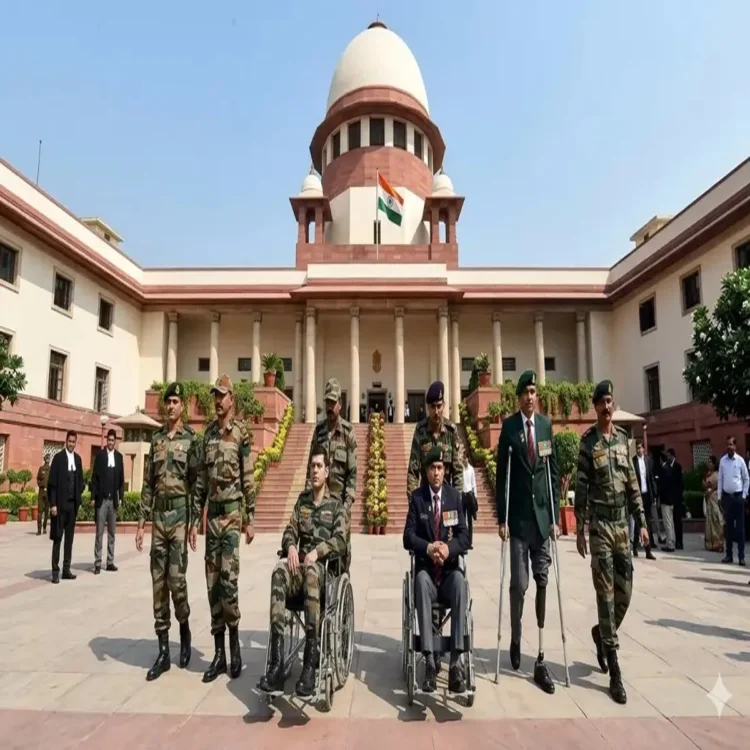
Court Seeks Clarity on Cadet Status
A bench comprising Justices B V Nagarathna and Ujjal Bhuyan raised the issue while hearing a case related to cadets discharged on medical grounds during training. The judges observed that many of these individuals are young, often below the age of 30, and face significant challenges in securing employment after being declared unfit for service.
The court asked the government to consider expanding the definition of ex-military personnel to include such cadets. This, it noted, could help them benefit from reservation policies currently available to former armed forces personnel.
Government Asked to Respond
During the proceedings, Additional Solicitor General N Venkataraman, representing the Union government, informed the bench that a detailed response would be submitted after consultations. The court emphasized the need for a structured policy approach, particularly given the number of affected cadets and their long-term rehabilitation needs.
The matter is being heard as part of a suo motu case initiated by the court to address the difficulties faced by trainees who are forced to leave military institutions due to injuries sustained during rigorous training programs.
Focus on Welfare and Rehabilitation
The bench also revisited earlier directions issued in August last year, when it had highlighted the importance of supporting cadets who suffer disabilities while preparing for military service. It had then suggested that such individuals should not be discouraged by the lack of institutional support following injuries.
One of the key suggestions included providing insurance coverage to cadets undergoing training. The court had recommended exploring group insurance schemes to ensure financial protection in cases of death or disability during training.
Additionally, the court raised concerns over the current financial assistance provided to disabled cadets. At present, a lump sum amount of Rs 40,000 is offered, which the bench indicated may be insufficient to meet ongoing medical expenses.
Pending Health Coverage Implementation
The court was also informed that a proposal to extend coverage under the Ex-Servicemen Contributory Health Scheme (ECHS) to these cadets had already received approval from the defence ministry. However, the scheme has yet to be implemented, leaving many former trainees without adequate healthcare support.
The judges stressed the importance of ensuring timely execution of such decisions, noting that delays can worsen the financial and medical hardships faced by affected individuals.
Exploring Alternative Employment Options
Another significant aspect discussed was the possibility of rehabilitating medically discharged cadets into alternative roles. The court suggested that suitable desk jobs or other positions within defence-related services could be considered once their treatment is complete.
Such measures, the bench indicated, would allow these individuals to remain connected to the defence ecosystem while also securing stable livelihoods.
Background of the Case
The issue first came to light when the Supreme Court took suo motu cognisance of a media report highlighting the plight of cadets discharged due to injuries. Many of these trainees had been part of prestigious institutions such as the National Defence Academy and the Indian Military Academy.
Reports suggest that since 1985, around 500 officer cadets have been medically discharged from these institutions due to various disabilities incurred during training. Many of them now face mounting medical expenses and rely on limited ex-gratia payments that fall short of their needs.
Way Forward
The court’s latest observations indicate a broader push towards strengthening support systems for military trainees who suffer setbacks during training. By seeking the government’s response on granting ex-servicemen status and expanding welfare measures, the judiciary has signaled the need for a more inclusive and compassionate policy framework.
The Centre’s forthcoming response is expected to play a crucial role in shaping future benefits and protections for such cadets.