
Mauni Amavasya 2026: Sacred Bathing Day During Magh Mela and Its Spiritual Importance
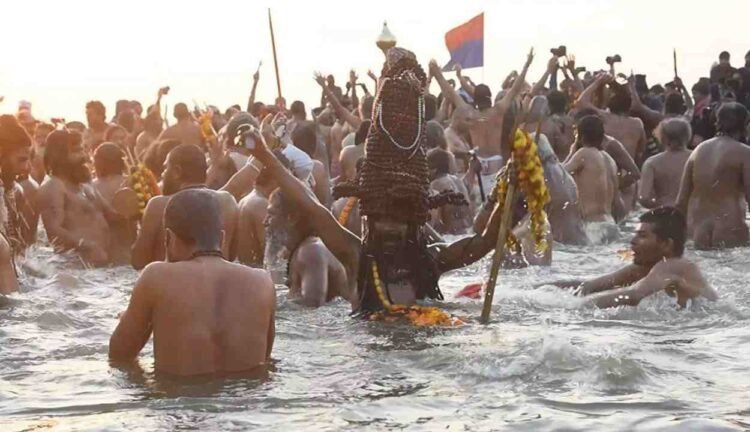
Mauni Amavasya 2026: Mauni Amavasya is considered one of the most sacred lunar days in the Hindu calendar and holds exceptional importance during the Magh Mela. Falling in the Krishna Paksha of the Magh month, this day is deeply connected with spiritual purification, self-discipline, charity, and ancestral rituals. Every year, millions of devotees gather at holy riverbanks, especially at the Triveni Sangam in Prayagraj, to observe rituals that are believed to cleanse sins and support spiritual growth. In 2026, Mauni Amavasya gains even more importance due to auspicious planetary combinations that enhance its religious value.
Mauni Amavasya 2026 Date and Tithi Details
Mauni Amavasya in 2026 will be observed on Sunday, January 18. According to the Hindu lunar calendar, the Amavasya Tithi will begin at 12:03 AM on January 18, 2026, and will end at 01:21 AM on January 19, 2026. Since religious observances are usually performed during sunrise hours, devotees will consider January 18 as the main day for rituals, fasting, and sacred bathing. This date is especially significant for pilgrims participating in the Magh Mela, as Mauni Amavasya is regarded as its most important bathing day.
Why Mauni Amavasya Is the Most Important Day of Magh Snan
Among all the Amavasya days that occur throughout the year, Mauni Amavasya is considered the most powerful. Religious beliefs state that on this day, divine energies are highly active, making spiritual practices more effective. Scriptures mention that celestial beings descend to the Triveni Sangam to bathe on this day, which is why the ritual bath performed by devotees is referred to as a divine bath rather than an ordinary one.
During the month of Magh, the Sun remains in Capricorn, a position associated with discipline, austerity, and spiritual progress. On Mauni Amavasya, the conjunction of the Sun and the Moon creates an auspicious cosmic balance, believed to help individuals attain liberation from negative karmic influences. This rare alignment makes the Magh Snan on Mauni Amavasya especially rewarding.
Spiritual Significance of Silence and Fasting
The word Mauni comes from the Sanskrit word Maun, meaning silence. Observing silence on this day is considered a powerful spiritual practice. Devotees believe that maintaining silence helps control the senses, calm the mind, and deepen inner awareness. Many people observe a silent fast, combining physical restraint with mental discipline.
It is believed that those who take a holy dip while observing silence experience purification at both physical and spiritual levels. According to traditional belief, such practices help remove accumulated sins from past actions and open the path to spiritual clarity and inner peace.
Importance of Sacred Bathing at Triveni Sangam
The Triveni Sangam, the confluence of the Ganga, Yamuna, and the mythical Saraswati, holds unmatched importance during Mauni Amavasya. Pilgrims from across India and abroad gather here before sunrise to take a ritual bath. This sacred bathing is believed to wash away sins and grant divine blessings.
Even those unable to reach Prayagraj observe Mauni Amavasya by bathing in nearby rivers, lakes, or even at home while chanting prayers. The intention and faith behind the ritual are considered more important than the location itself.
Charity and Ancestor Worship on Mauni Amavasya
Mauni Amavasya is also regarded as an ideal day for charity and ancestor worship. Donating items such as sesame seeds, blankets, food grains, clothes, and cows is believed to bring spiritual merit. Acts of charity performed on this day are said to multiply in virtue and help reduce negative karmic effects.
This day is also significant for performing rituals for ancestors. Offering prayers and food in remembrance of departed souls is believed to bring peace to ancestral spirits and blessings to family members. Many people perform special rituals to seek forgiveness for past mistakes and to strengthen family harmony.
Role of Mauni Amavasya in Magh Mela
The Magh Mela is incomplete without Mauni Amavasya. This single day attracts the largest number of pilgrims during the entire festival period. Saints, ascetics, and spiritual seekers consider this day ideal for meditation, spiritual discourse, and self-reflection. The atmosphere during Mauni Amavasya is filled with devotion, faith, and spiritual energy, making it a transformative experience for many participants.