
Holi – Holika Dahan 2026 Date, Timings and Ritual Details
Holi – Holi will be observed across India on March 4 this year, marking one of the country’s most vibrant and widely celebrated festivals. The festivities begin a day earlier with Choti Holi, also known as Holika Dahan, which is performed on the full moon day of the Phalguna month. While the festival of colours falls on the Pratipada of Krishna Paksha in the Chaitra month, the ritual of Holika Dahan takes place on Phalguna Purnima.
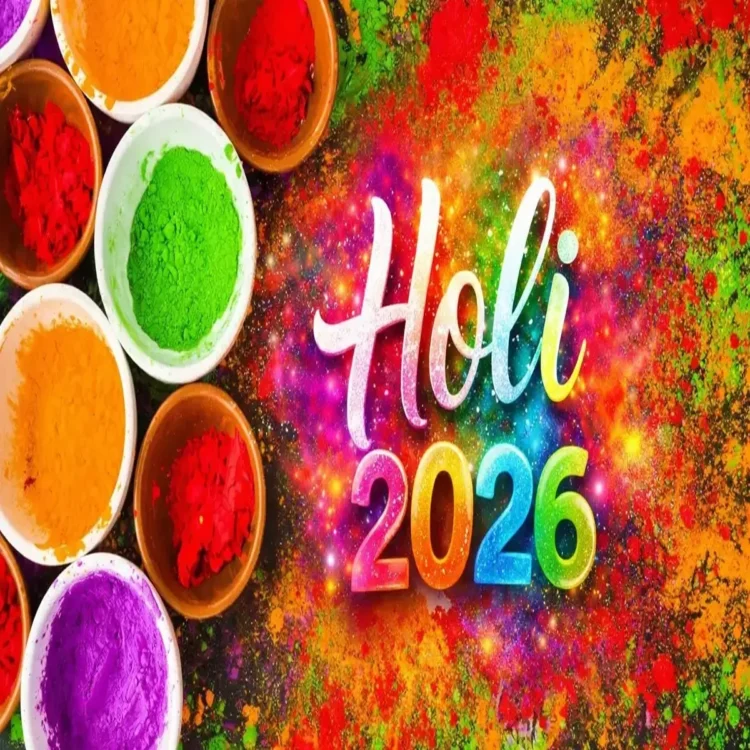
Date and Tithi Details for 2026
According to the Hindu calendar, Holika Dahan will be observed on March 2, 2026. The Purnima Tithi is set to commence at 5:55 PM on March 2 and will conclude at 5:07 PM on March 3. Traditionally, the ritual is carried out during the Pradosh period on the evening of Phalguna Purnima, provided the timing is free from the inauspicious Bhadra period.
Selecting the correct muhurat holds special significance, as scriptures advise avoiding rituals during Bhadra Kaal.
Bhadra Period and Auspicious Muhurat
In 2026, Bhadra Kaal will begin at 5:58 PM on March 2 and continue until 5:30 AM on March 3. Since this period overlaps with the evening hours of Purnima, devotees are advised to wait until Bhadra concludes before lighting the ceremonial fire.
Based on available timings, the most suitable window for Holika Dahan is between 5:30 AM and 6:23 AM on March 3, after the end of Bhadra. Religious authorities recommend performing the ritual only within this auspicious timeframe to ensure it aligns with traditional beliefs.
Significance of Choti Holi
Choti Holi symbolizes the victory of righteousness over evil. The ritual is rooted in the ancient legend of Prahlad and Holika, associated with devotion to Lord Vishnu. According to tradition, Holika was burned in a fire while Prahlad emerged unharmed, signifying the triumph of faith and virtue.
On this day, devotees gather to light a bonfire representing the destruction of negativity and harmful intentions. Prayers are offered to Lord Vishnu, seeking protection, prosperity, and well-being for the family. The ceremony carries deep spiritual meaning and sets the tone for the joyful celebrations that follow the next day.
Rituals and Puja Procedure
Preparations for Holika Dahan often begin days in advance, with communities arranging wood and other materials for the bonfire. On the designated evening or auspicious hour, families assemble around the fire to perform rituals.
Participants perform parikrama around the sacred fire and offer various items as part of the puja. These typically include whole rice grains, havan samagri, cloves, black pepper, camphor, green cardamom, dry coconut, yellow mustard seeds, and lotus seeds. Each offering carries symbolic value and is believed to purify the surroundings.
Devotees chant mantras and pray for happiness, good health, and financial stability. The gathering is not only a religious observance but also a social occasion that brings neighbours and relatives together, strengthening community ties.
Preparations for the Festival of Colours
Following Holika Dahan, preparations shift toward the main celebration of Holi on March 4. Homes are readied, sweets are prepared, and natural colours are arranged for the festivities. The transition from the solemn fire ritual to the vibrant celebration reflects the broader message of renewal and harmony.
As millions prepare to mark the occasion, authorities in various regions are expected to issue local advisories to ensure safe celebrations. Devotees and families are encouraged to follow traditional timings while also observing safety measures during public gatherings.
With its blend of spiritual symbolism and social celebration, Holika Dahan remains a central part of the Holi festival, reminding communities each year of the enduring message of hope and the triumph of good over evil.