
OilTrade – Iranian Crude Shipment Diverts from India to China Mid-Journey
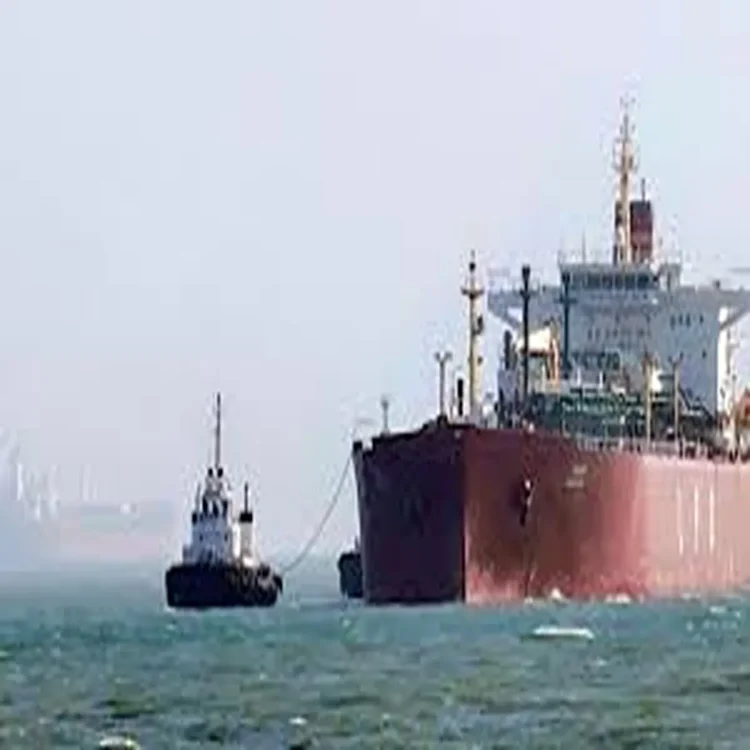
OilTrade – A tanker carrying Iranian crude oil, previously expected to arrive in India, has altered its course mid-voyage and is now heading toward China. The vessel, named Ping Shun, had initially signaled Gujarat’s Vadinar port as its destination earlier this week but has since updated its route to Dongying in China, according to ship-tracking data.
Sudden Change in Declared Destination
The Ping Shun, an Aframax-class tanker built in 2002 and sanctioned by the United States in 2025, made the unexpected shift just days before its anticipated arrival in India. Analysts tracking maritime movements noted that such changes, while not entirely uncommon, often reflect underlying commercial or financial concerns.
The vessel’s Automatic Identification System (AIS), which transmits its location and intended destination, can be modified during transit. This flexibility means the final delivery point may still change again before the cargo is unloaded.
Payment Terms Likely Behind the Decision
Market observers suggest that financial arrangements may have influenced the rerouting. Recent developments indicate that sellers of Iranian oil are tightening payment conditions, moving away from extended credit periods of 30 to 60 days toward faster or upfront payments.
This shift could complicate deals for buyers exploring short-term opportunities under temporary sanctions relief. The identities of the buyer and seller involved in this shipment have not been disclosed, adding to the uncertainty surrounding the transaction.
India’s Renewed Interest in Iranian Oil
The shipment had drawn attention because it would have marked India’s first import of Iranian crude since 2019. Indian refiners have recently been evaluating the feasibility of purchasing limited volumes following a short-term waiver issued by Washington.
Vadinar, the originally declared destination, houses a major refinery operated by Nayara Energy, which has a processing capacity of 20 million tonnes per year. The facility is well-suited to handle Iranian crude grades, making it a logical entry point for any resumed trade.
Historical Context of Imports
India was once among the largest buyers of Iranian oil, benefiting from favorable pricing and refinery compatibility. At its peak, Iranian crude accounted for more than 11 percent of India’s total oil imports.
However, purchases came to a halt in May 2019 after tighter sanctions were imposed. Before that, imports had already declined significantly during a waiver period earlier that year. Since then, India has relied more heavily on supplies from the Middle East, the United States, and other regions.
Temporary Sanctions Relief and Market Impact
Last month, the United States allowed a limited 30-day window for countries to buy Iranian oil already at sea, aiming to ease global oil prices amid geopolitical tensions. This window is set to close on April 19.
Estimates suggest that around 95 million barrels of Iranian oil are currently stored on tankers at sea. Of this, roughly 51 million barrels could potentially be directed to India, depending on commercial viability and logistical arrangements.
Banking Restrictions Continue to Challenge Trade
One of the biggest hurdles remains the payment mechanism. Iran is still excluded from the global banking network SWIFT, which complicates international transactions. In the past, payments were routed through intermediary banks using alternative currencies, but those channels are no longer readily available.
The lack of a clear financial pathway continues to discourage buyers despite the temporary easing of sanctions. This situation underscores how financial systems can be as critical as supply logistics in determining global oil flows.
Uncertain Outcome for the Current Shipment
Although the Ping Shun is now signaling China as its destination, analysts note that its course could change again if payment issues are resolved. Such mid-voyage adjustments highlight the fluid nature of oil trade under sanctions and evolving market conditions.
For now, the incident reflects a broader trend where commercial terms, risk assessments, and geopolitical factors are shaping the movement of energy supplies across the globe.