
Security – Iran Mourns Senior IRGC Intelligence Leader Killed in Strike
Security – Iran’s leadership has paid tribute to a senior intelligence official of the Islamic Revolutionary Guard Corps (IRGC) following his reported death in a targeted strike, marking a significant moment in the region’s ongoing security tensions.
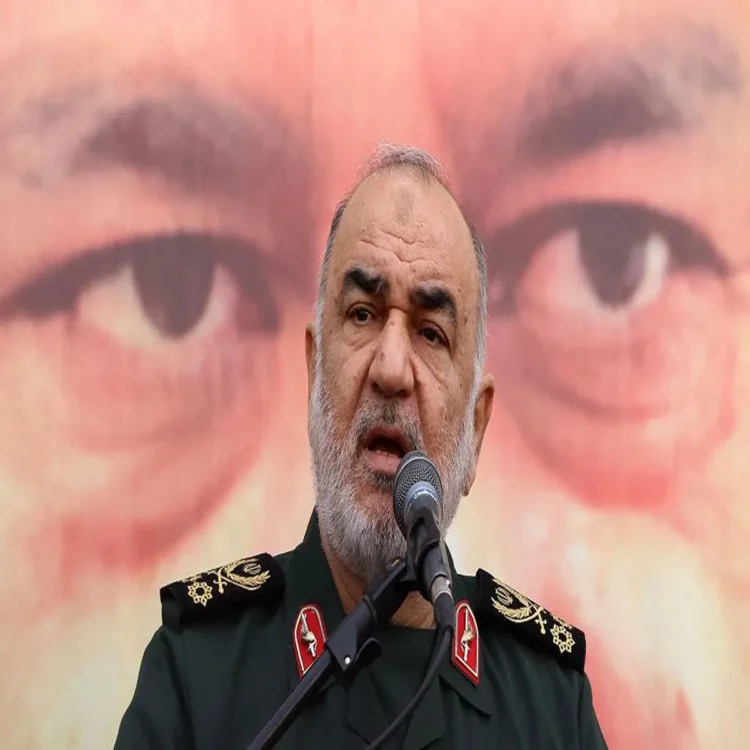
Tribute to a Long-Serving Intelligence Figure
Ayatollah Mojtaba Khamenei on Tuesday honored Sayyid Majid Khademi, describing him as a dedicated figure who spent decades working quietly in Iran’s security, intelligence, and defense sectors. In a statement shared on social media, Khamenei said Khademi’s life reflected sustained commitment to national service and framed his death as martyrdom.
Khademi was widely regarded within Iran as an influential figure in the IRGC’s intelligence division. Though official details about how he died remain limited from Iranian authorities, his passing has drawn strong reactions from senior leadership, highlighting his importance in the country’s internal security structure.
Emphasis on National Security and Ideology
In his remarks, Khamenei underscored the resilience of Iran’s armed forces and intelligence network. He said that those serving in defense roles remain firmly committed to their objectives despite external threats. According to him, the strength and unity of these forces prevent hostile actions from weakening their resolve.
The IRGC, particularly its intelligence wing, plays a central role in Iran’s internal and external security strategies. It operates alongside other agencies but often handles sensitive intelligence operations, including counter-intelligence and monitoring potential threats.
Condolences to Family and Colleagues
Khamenei also extended condolences to Khademi’s family and associates within the IRGC Intelligence Organisation. He expressed both sympathy and respect, acknowledging the personal loss while also recognizing Khademi’s service to the nation.
Such public acknowledgments are significant in Iran’s political context, where senior military and intelligence figures are often portrayed as key defenders of national sovereignty.
Israeli Claim of Responsibility
Meanwhile, the Israeli Air Force (IAF) stated that it carried out a targeted overnight strike in Tehran, claiming responsibility for Khademi’s death. According to a statement released by the IAF, the operation was based on precise intelligence and aimed at eliminating a senior IRGC intelligence leader.
The statement identified Khademi as a central figure within the IRGC and noted his extensive experience in military and intelligence operations. It further claimed that he had taken on his role following the death of another senior commander in a previous operation.
Role in Intelligence and Regional Activities
The IAF alleged that Khademi was involved in gathering intelligence used by Iranian leadership during key military operations. According to the statement, his work contributed to strategic planning and execution of activities considered hostile by Israel.
Additionally, the Israeli statement accused him of involvement in efforts targeting Israeli and Jewish interests globally, as well as alleged attempts to support actions against American targets. It also claimed that he had a role in monitoring internal dissent within Iran.
Broader Regional Context
The incident comes amid heightened tensions in the Middle East, where intelligence operations and targeted strikes have become increasingly common. Both Iran and Israel have frequently accused each other of conducting covert and overt actions aimed at weakening the other’s strategic capabilities.
While Iran has emphasized resilience and continuity within its security institutions, Israel has continued to signal its intent to act against perceived threats linked to Iranian operations.
Khademi’s death is likely to further strain relations and may influence future developments in the region’s already complex security landscape.