
Sanctions – Senate Democrats Warn Russian Oil Relief Could Benefit Moscow
Sanctions – Senior Democratic lawmakers in the United States Senate have strongly criticised the administration’s decision to temporarily suspend sanctions targeting Russian oil exports. They argue that the move may provide significant financial benefits to Moscow while offering limited relief to American consumers facing rising fuel costs.
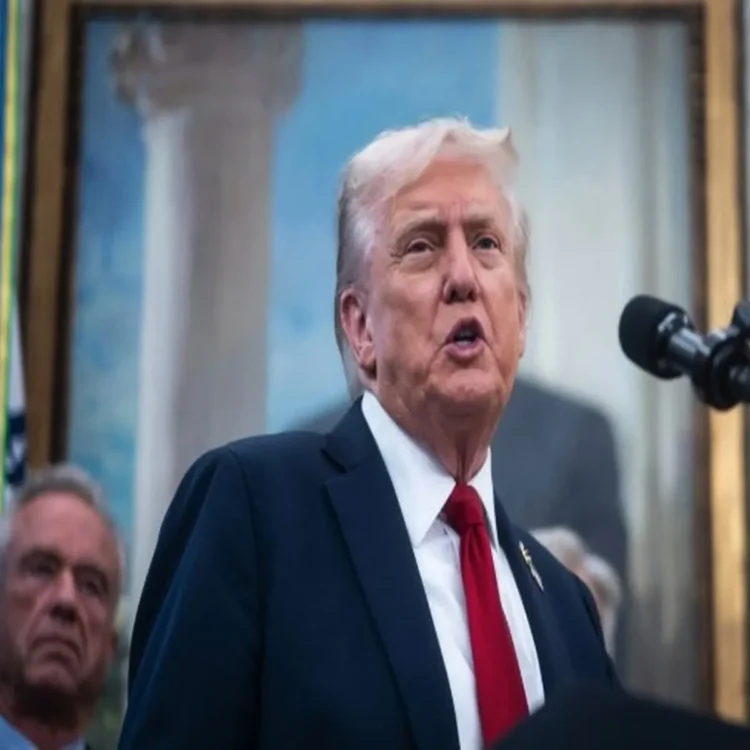
Democrats Raise Concerns Over Sanctions Pause
Mark R. Warner, Vice Chairman of the Senate Select Committee on Intelligence, expressed concern that the decision could weaken pressure on Russia during a period of ongoing international conflict. He said the policy change risks strengthening Moscow’s economic position without meaningfully lowering energy prices in the United States.
Warner linked the decision to broader economic disruptions following the administration’s military confrontation with Iran. According to him, the conflict has carried significant human and financial consequences for the United States, including the loss of American service members and injuries to many others.
Impact of Iran Conflict on Global Oil Supply
The senator also pointed to disruptions in global energy markets following the escalation with Iran. In particular, he warned about the strategic importance of the Strait of Hormuz, one of the world’s most critical oil shipping routes.
Warner said the conflict had effectively restricted access to the waterway, which normally handles a substantial portion of the global supply of oil and natural gas. He argued that the administration failed to anticipate how such developments could affect international energy markets and domestic fuel prices.
Rising Fuel Costs Affect American Households
According to Warner, the consequences of these disruptions have already been felt by American consumers. Over the past two weeks, gasoline prices have risen sharply across the country, increasing by more than sixty cents per gallon in some areas.
Higher fuel costs have also contributed to rising expenses in other sectors. Increased transportation costs are affecting airline tickets, grocery prices, and the broader cost of living, creating additional pressure for working families.
Concerns Over Financial Gains for Russia
Democratic lawmakers argue that easing sanctions on Russian oil could generate new revenue for the Kremlin. Warner warned that such funds may indirectly support Russia’s ongoing military campaign in Ukraine.
He also suggested the decision could strengthen countries aligned with Moscow. Given Russia’s relationship with Iran, he said the policy shift could unintentionally reinforce strategic cooperation among governments that often oppose U.S. foreign policy interests.
Additional Senators Question Administration Decision
Other prominent Senate Democrats echoed similar concerns. Senators Jeanne Shaheen, Elizabeth Warren, and Senate Democratic Leader Chuck Schumer issued a joint statement criticizing the sanctions pause.
The lawmakers said the move could result in substantial financial gains for Russia. They cited reports suggesting that Moscow may already be providing intelligence assistance to Iran, raising concerns about broader security implications for U.S. forces.
According to their statement, the sanctions relief could generate roughly $150 million per day for Russia’s energy sector, funds that critics believe could support its military operations.
Questions Raised About Congressional Oversight
The senators also questioned whether the administration followed the proper legal procedures before adjusting sanctions policy. They pointed to the Countering America’s Adversaries Through Sanctions Act, which requires the executive branch to notify Congress before easing sanctions on Russia.
Lawmakers suggested that bypassing or delaying notification could limit Congress’s ability to review and potentially challenge the decision.
They also raised concerns about whether the administration was attempting to avoid formal congressional votes that could block sanctions relief.
Treasury Secretary Urged to Testify
The Democratic senators further referenced previous testimony by Treasury Secretary Scott Bessent, who had recently stated that sanctions on certain Russian oil companies were having a strong economic impact.
They argued that the latest policy change appears inconsistent with those earlier remarks. According to the lawmakers, relaxing restrictions on Russian energy firms, traders, intermediaries, and shipping networks could enable those entities to benefit from large financial gains.
For that reason, they called on the Treasury Secretary to appear before Congress to explain the rationale behind the decision and clarify how it aligns with U.S. sanctions policy.
Lawmakers emphasized that both Congress and the public deserve clear answers regarding a decision that could have major consequences for global energy markets, U.S. foreign policy, and domestic economic stability.